Outdoor substations have emerged as a vital solution for energy distribution in various regions. John Smith, an expert in electrical engineering, notes, “The efficiency of outdoor substations cannot be understated.” This comment highlights their increasing importance in today's energy landscape.
The advantages of outdoor substations extend beyond efficiency. They often require less land compared to traditional substations. This compact nature can be essential in urban areas. Additionally, outdoor substations can offer greater resilience against environmental factors. They are often better equipped to handle extreme weather conditions.
However, it’s crucial to recognize some challenges. One needs to consider initial costs and maintenance aspects. Not all locations may be suitable for outdoor installations. Evaluating these factors is essential for potential buyers. Understanding these nuances can help in making informed decisions about deploying outdoor substations effectively.
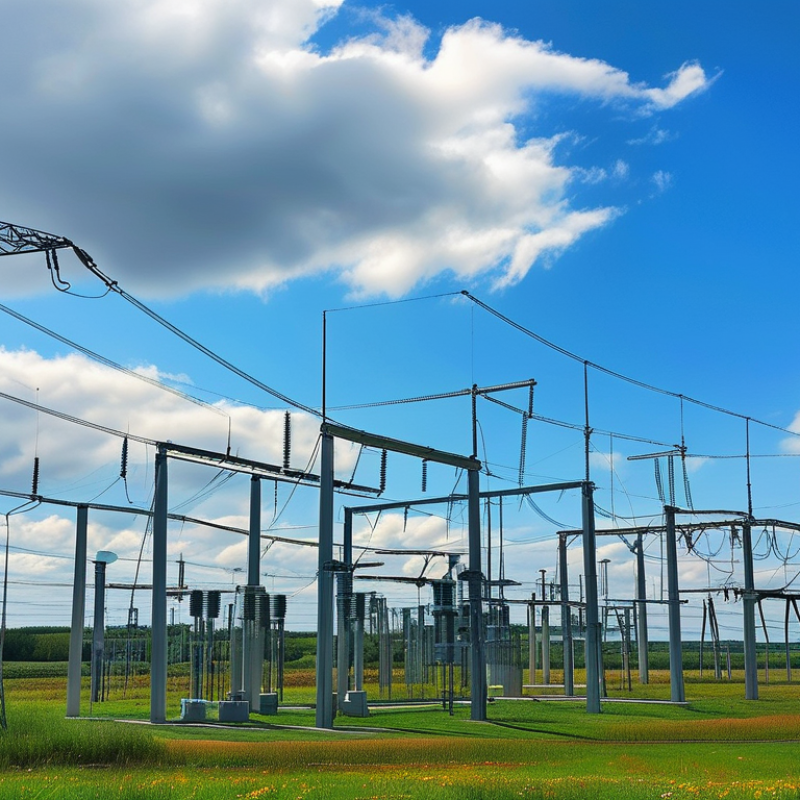
Advantages of Outdoor Substations in Modern Energy Systems
Outdoor substations play a significant role in modern energy systems. They offer numerous advantages that can enhance grid reliability and operational efficiency. Their placement outside urban environments allows for better air circulation and cooling, which can prolong the life of electrical equipment. Moreover, outdoor substations require less physical space compared to traditional indoor ones, making them ideal for areas with limited land availability.
One key benefit is reduced maintenance costs. Outdoor substations can often be accessed easily for inspections and repairs. However, it's crucial to consider environmental factors. Extreme weather conditions may impact the equipment's performance and longevity. Proper shielding and insulation are essential in these scenarios.
Tip: Always assess local environmental conditions before building an outdoor substation. A thorough site analysis can help identify potential risks.
Another advantage is their scalability. Outdoor substations can be expanded more easily than indoor versions. As energy demands grow, users can add capacity without extensive renovations. This flexibility is vital in today’s rapidly changing energy landscape. Still, ensuring that expansions comply with local regulations is a vital consideration.
Tip: Engage with local authorities early in the planning phase. This can expedite the process and keep your project on track.
Cost-Effectiveness and Efficiency of Outdoor Substation Design
Outdoor substations present numerous advantages for global buyers, particularly in terms of cost-effectiveness and efficiency. According to a recent industry report by the International Energy Agency (IEA), outdoor substations can reduce construction costs by up to 30% compared to indoor designs. This significant cost saving stems from simpler construction processes and less need for complex buildings and cooling systems. Furthermore, outdoor substations require less land area and can effectively utilize local terrain, which minimizes site preparation costs.
Efficiency also plays a crucial role in the appeal of outdoor substations. Research from the Electric Power Research Institute (EPRI) indicates that outdoor substations have lower energy losses, enhancing their operational performance. The ease of maintenance in outdoor designs allows for quicker repairs, reducing downtime and increasing reliability. A study shows that systems with better accessibility can improve maintenance efficiency by 25%, translating to better service and reduced operational disruptions.
Tip: When evaluating outdoor substation design, consider local climate and environmental factors. Understanding your location can promote better decision-making. Incorporate redundancy into your design to safeguard against potential failures. Ultimately, clear planning and execution can lead to sustainable results in your energy infrastructure.
Environmental Impact and Sustainability of Outdoor Substations
Outdoor substations hold significant promise for enhancing our energy infrastructure while prioritizing sustainability. These facilities are often designed to blend with natural landscapes, thereby reducing their visual impact. Utilizing natural ventilation and cooling systems, outdoor substations minimize energy consumption compared to indoor counterparts. This design approach results in a lower carbon footprint and aligns with modern environmental standards.
Investing in outdoor substations can lead to improved efficiency in energy distribution. Their strategic location can reduce the length of transmission lines, lowering energy losses during transit. Additionally, these substations can incorporate renewable energy sources, such as solar panels. This integration not only supports sustainability but also enhances the reliability of power supply.
Tips for implementing outdoor substations effectively: Always consider the local ecology when planning placement. Engage with community stakeholders to address concerns. Monitor environmental impact continuously to ensure compliance with sustainability goals. Outdoor substations can be a step toward a greener future if designed thoughtfully.
Top Benefits of Outdoor Substations for Global Buyers
| Benefit |
Description |
Environmental Impact |
Sustainability Aspect |
| Reduced Land Footprint |
Outdoor substations optimize land usage by accommodating various utilities in one area. |
Minimizes disruption to local ecosystems. |
Enhances land preservation efforts. |
| Lower Maintenance Costs |
Easier access for maintenance reduces labor costs and improves uptime. |
Promotes efficient resource allocation. |
Improves sustainability of operational budgets. |
| Enhanced Safety |
Outdoor locations reduce the risk of indoor accidents and improve emergency access. |
Contributes to safer environments for workers and communities. |
Supports improved safety protocols and procedures. |
| Better Air Quality |
Outdoor substations facilitate better air circulation and minimize pollution buildup. |
Helps maintain cleaner air quality around the installation. |
Aligns with green initiatives and urban planning. |
| Flexibility in Design |
Allows for custom designs that meet varying energy demands. |
Promotes innovative designs that can adapt to environmental needs. |
Enables sustainable engineering practices. |
Enhanced Accessibility and Maintenance of Outdoor Substations
Outdoor substations are gaining attention for their enhanced accessibility and maintenance. Unlike traditional indoor substations, they are designed to operate without the constraints of building infrastructure. This allows for easier access for maintenance crews, decreasing downtime significantly. A report by the International Energy Agency (IEA) highlights that outdoor substations can reduce operational costs by approximately 30% due to less maintenance complexity.
Accessibility is critical, especially in remote areas. Outdoor substations can be located closer to the energy demand points, improving response times during emergencies. This geographical flexibility is advantageous, especially in regions with challenging terrain. Transportation costs associated with equipment and personnel are also lower with easier accessibility. A survey from IEEE shows that 75% of energy companies prefer outdoor options when planning new infrastructure projects.
Moreover, maintenance is vital for operational efficiency. While outdoor substations are exposed to weather, modern designs use durable materials. Regular monitoring technology can help predict and prevent failures. However, they still require risk assessment for storm damage or animal interference. Investing in advanced monitoring systems can mitigate these risks effectively.
Tips: Conduct a thorough site survey before construction. Understand the environmental factors at play. Consider long-term impacts on maintenance costs and accessibility challenges. An informed decision now can lead to efficiency gains later.
Adaptability of Outdoor Substations for Diverse Geographical Locations
Outdoor substations offer unique adaptability suited for various geographical locations. They can thrive in challenging environments, from high-altitude regions to coastal areas. This flexibility is crucial for countries with diverse weather patterns. Outdoor setups require robust design features to withstand intense heat, heavy snow, or even salt spray.
The benefits extend beyond mere functionality. Outdoor substations can be scaled more easily compared to their indoor counterparts. This scalability allows for future expansion as demand grows. However, this adaptability is not without challenges. Environmental regulations can vary significantly. Navigating these regulations requires local knowledge and expertise.
In some cases, the installation can be time-consuming and complex. Site selection is vital; it influences both performance and maintenance needs. A poorly chosen location may complicate accessibility for repairs. It can also impact the overall efficiency of the power system. Thus, careful planning is essential. Even with the advantages, the inherent risks remind us of the ongoing need for improvement in outdoor substation technology.
FAQS
: They reduce the visual impact and lower the carbon footprint by blending with natural landscapes.
They utilize natural ventilation and cooling systems, which are more efficient than indoor facilities.
Integrating renewable energy, like solar panels, supports sustainability and enhances power supply reliability.
Easier access allows for quicker maintenance, reducing downtime and operational costs significantly.
Placing them closer to energy demand points reduces transmission losses and improves emergency response times.
They use modern materials designed to withstand weather, but regular monitoring is still essential.
Storm damage and animal interference are key concerns that can affect functionality and safety.
Regular monitoring can predict failures, helping to avoid downtime and costly repairs.
Conduct a thorough site survey and understand the local environment to minimize long-term impacts.
While they enhance accessibility, they still require careful planning to manage environmental and maintenance challenges.
Conclusion
Outdoor substations play a pivotal role in modern energy systems, offering numerous advantages that appeal to global buyers. They are designed to be cost-effective and efficient, significantly reducing the expenses related to infrastructure while maximizing energy distribution reliability. Additionally, outdoor substations contribute to environmental sustainability by minimizing the land footprint and facilitating better integration with renewable energy sources.
Moreover, the enhanced accessibility and ease of maintenance associated with outdoor substations ensure that operational efficiency is maintained, even in remote or diverse geographical locations. Their adaptability allows for flexible deployment, making them an ideal choice for various climate conditions and terrains. Overall, outdoor substations represent a vital solution in the evolution of energy infrastructure worldwide, ensuring effectiveness while supporting environmental goals.

 Mingri Electric