The integration of Solar Power Substations into business operations presents numerous benefits. According to recent estimates from the Solar Energy Industries Association, large-scale solar installations have increased by over 20% year-on-year. This trend illustrates the growing reliance on solar technology for energy solutions. Solar Power Substations can significantly reduce operational costs by harnessing renewable energy.
Businesses implementing Solar Power Substations can achieve energy independence. They can mitigate risks associated with fluctuating energy prices. A report from Bloomberg New Energy Finance highlights that solar energy can save companies up to 75% on their electricity bills over the system’s lifespan. Yet, challenges exist, such as initial setup costs and infrastructure adjustments. Companies must weigh long-term savings against upfront investments.
Furthermore, Solar Power Substations contribute to sustainability goals, enhancing corporate social responsibility profiles. With increasing public scrutiny around climate impact, businesses adopting renewable sources can differentiate themselves. They can foster customer loyalty and trust. However, not all companies are ready to transition. A lack of knowledge or resources can hinder progress. It’s essential to analyze and reflect on both the advantages and the obstacles.
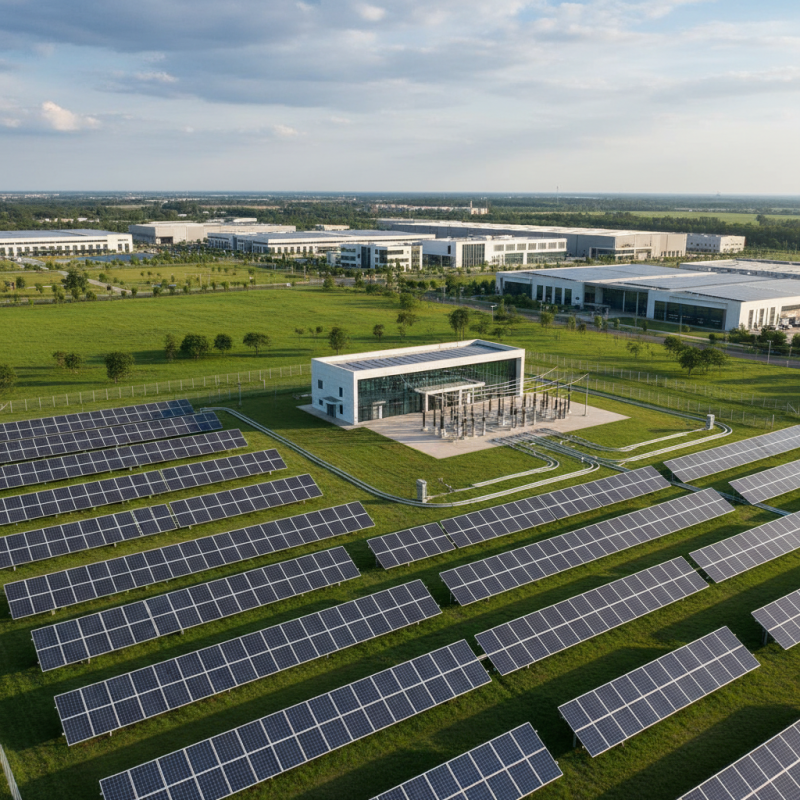
Solar power substations are revolutionizing business efficiency. By harnessing renewable energy, they reduce dependence on fossil fuels. According to the U.S. Department of Energy, businesses can save up to 30% on energy costs by integrating solar power into their operations. This transition aids in lowering operational costs significantly.
Utilizing solar power does not only save money; it also enhances reliability. Businesses benefit from lowered risk of power outages. A report from the National Renewable Energy Laboratory indicates that businesses with solar solutions experience 50-70% fewer outages. The stability provided by solar substations allows companies to maintain productivity.
Tip: Regular maintenance of solar equipment can prolong its lifespan. This ensures maximum efficiency over time. Investing in training staff on solar technology can yield long-term benefits.
Moreover, solar substations help improve a company's sustainability image. Many consumers prefer environmentally responsible businesses. According to studies, 70% of consumers are willing to pay more for sustainable products. This shift can provide a competitive edge in the market.
Tip: Showcase your solar initiatives through marketing efforts. This can attract eco-conscious customers. Highlighting your commitment to renewable energy can improve brand loyalty and trust.
Embracing solar power substations is a strategic move for businesses aiming to enhance efficiency. Being at the forefront of renewable energy not only supports operational improvements but also fosters a positive public image.
Solar power substations can lead to significant cost savings for businesses. By harnessing renewable energy, companies can reduce their reliance on traditional energy sources. This shift results in lower electricity bills over time. A well-designed solar substation can support energy needs efficiently. This efficiency translates into reduced operational costs for enterprises.
Investing in solar infrastructure may seem daunting. Upfront costs can be high. However, the long-term savings often outweigh initial investments. Companies can benefit from government incentives as well. These incentives help offset the installation costs and enhance overall savings. Businesses may also see a reduction in maintenance costs due to the reliability of solar systems.
Additionally, adopting solar power helps improve sustainability efforts. Companies not only save money but also enhance their public image. This dual benefit attracts eco-conscious customers. It's essential, however, to assess the unique energy needs of each business. Not every enterprise may be ready for a full transition to solar power. Thorough planning and consultation can identify potential pitfalls. Companies should conduct feasibility studies to ensure the best outcomes.
Implementing solar power solutions in businesses significantly contributes to environmental impact reduction. Solar power substations enable companies to harness renewable energy efficiently. This shift reduces reliance on fossil fuels, which are major contributors to greenhouse gas emissions.
Transitioning to solar energy not only lowers carbon footprints but also promotes sustainable practices. Businesses can significantly reduce their energy bills while supporting eco-friendly initiatives. The installation of solar panels helps decrease air and water pollution. It encourages a cleaner and healthier environment for all.
While many businesses appreciate these benefits, some may face challenges during implementation. Initial costs can be daunting, yet financial incentives often mitigate these expenses. Ongoing maintenance and technology upgrades also pose concerns. However, the long-term advantages often outweigh these obstacles, making solar power a worthy investment.
Solar power substations offer businesses significant advantages, particularly in terms of energy independence and stability. As global energy demands rise, traditional sources become increasingly unreliable. According to the U.S. Energy Information Administration, renewable energy will make up about 50% of total electricity generation by 2050. This statistic underscores the transition towards a more sustainable energy landscape.
Installing solar power substations can vastly enhance a company's energy independence. Companies can generate their own energy, reducing reliance on fossil fuels. This shift not only mitigates risks associated with energy price volatility but also ensures a more consistent power supply. A report from the International Renewable Energy Agency highlights that businesses adopting solar solutions can save between 20-50% on energy costs over time. This saving can be crucial for operational budgets, especially in competitive industries.
Tips: Assess your energy consumption patterns before installation. Understanding peak usage times can optimize solar energy usage. Regular maintenance of solar systems is vital. This not only maximizes efficiency but also prolongs the life of the equipment.
Stability is another critical benefit. Solar power substations provide a buffer against grid disruptions. Businesses can experience fewer downtime incidents, thus enhancing productivity. However, achieving peak performance requires careful planning and implementation. Evaluate your location’s solar potential and infrastructure requirements. Inaccurate assessments can lead to underperformance.
| Benefit | Description | Impact |
|---|---|---|
| Energy Independence | Solar power substations reduce reliance on grid electricity. | Increased energy security and control over energy costs. |
| Cost Savings | Lower electricity bills from utilizing solar energy. | Reduction in operational expenses over time. |
| Sustainability | Solar power reduces carbon footprint. | Enhanced corporate social responsibility (CSR). |
| Low Maintenance | Minimal upkeep required for solar technology. | Cost-effective long-term investment. |
| Tax Incentives | Various federal and state tax benefits available. | Financial capital boosts and investment efficiency. |
| Job Creation | Renewable energy installations create new jobs. | Economic growth and community development. |
| Grid Stability | Distributed energy sources enhance grid reliability. | Reduced blackout risks and power stability. |
| Technology Advancements | Continual improvements in solar technology efficiency. | Longer lifespan and higher energy yield. |
| Energy Storage | Integration with battery storage systems. | Optimized energy usage during peak hours. |
| Enhanced Brand Image | Adoption of renewable energy enhances public perception. | Attracts eco-conscious consumers and investors. |
Innovations in solar power infrastructure are transforming how businesses harness energy. One major development is the integration of smart grid technology. This allows for real-time monitoring and management of energy usage. With advanced sensors and analytics, businesses can optimize their power distribution. This leads to increased efficiency and reduced waste.
Energy storage solutions have also seen significant advancements. New battery technologies improve capacity and lifespan. These batteries provide backup power during outages, enhancing reliability. However, some businesses still struggle with initial implementation costs. This remains a barrier for many looking to adopt solar solutions.
Another exciting trend is the rise of modular solar power systems. These systems are easier to install and can be tailored to specific business needs. They offer flexibility in scaling up or down as requirements change. However, it is essential to evaluate whether such systems align with long-term goals. Not every business will benefit equally from these innovations, so careful consideration is crucial.
: Solar power substations reduce energy costs, enhance reliability, and improve sustainability. They may save up to 30% on energy expenses.
Businesses with solar solutions face 50-70% fewer power outages. This stability keeps operations running smoothly.
Initial costs and ongoing maintenance are key concerns. Yet the long-term benefits often outweigh these challenges.
Companies showcasing their solar initiatives attract eco-conscious customers. About 70% of consumers favor sustainable practices.
Regular maintenance is crucial. Training staff on solar technology can also ensure long-term effectiveness.
Yes, inaccurate assessments of solar potential can lead to underperformance. Careful planning is essential for success.
Solar energy reduces greenhouse gas emissions and encourages cleaner air and water. It supports eco-friendly initiatives.
Solar substations allow companies to generate their own energy, reducing reliance on fossil fuels and lowering costs over time.
Yes, businesses can save between 20-50% on energy costs with solar power adoption, supporting operational budgets effectively.
Showcase efforts through marketing strategies. Highlighting commitment to renewables can improve customer loyalty and trust.
Solar Power Substations offer numerous benefits for businesses aiming to improve their operational efficiency and sustainability. By enhancing energy delivery and reliability, these substations enable enterprises to reduce costs significantly. The integration of solar energy solutions also leads to lower environmental impact, as companies can decrease their carbon footprint while supporting green initiatives. Moreover, Solar Power Substations provide energy independence, ensuring stable power supplies even in times of grid disruptions.
In addition to these advantages, rapid innovations and technological advancements in solar infrastructure are continually improving the performance and efficiency of these systems. As businesses adopt Solar Power Substations, they position themselves as forward-thinking leaders in sustainability while capitalizing on cost savings and enhanced operational resilience. Overall, the implementation of these solar solutions is a strategic move towards a more sustainable and economically viable future for enterprises.

Mingri Electric