Choosing an Ats Electrical Panel is not simply a matter of comparing prices or enclosure sizes. Global buyers must examine switching speed, short-circuit ratings, control logic, bypass options, and service support. A panel installed in a hospital, factory, data center, or remote water facility may face very different risks. Dust, humidity, unstable utility power, and limited maintenance access can change the decision completely.
Electrical engineer John D. McDonald, a recognized power-system reliability specialist, offers a useful reminder: “Transfer equipment must be judged by performance in the complete power system, not by its nameplate alone.” That principle guides this comparison. The seven selected panels are reviewed through practical details, including generator compatibility, automatic sensing, manual override functions, alarm visibility, and installation flexibility. A strong Ats Electrical Panel should transfer essential loads smoothly while reducing unnecessary stress on generators and downstream equipment.
No single model is perfect. Some panels provide advanced monitoring but require trained technicians and careful commissioning. Others are simpler, cheaper, and easier to maintain, yet offer fewer diagnostic features. That trade-off matters. It is easy to overvalue impressive specifications while ignoring replacement parts, local technical support, or the quality of the installation team. This guide therefore considers real purchasing conditions, not only laboratory claims. Buyers should still verify regional standards, voltage requirements, fault levels, and manufacturer documentation before ordering. Mistakes happen. Good evaluation makes them less expensive.
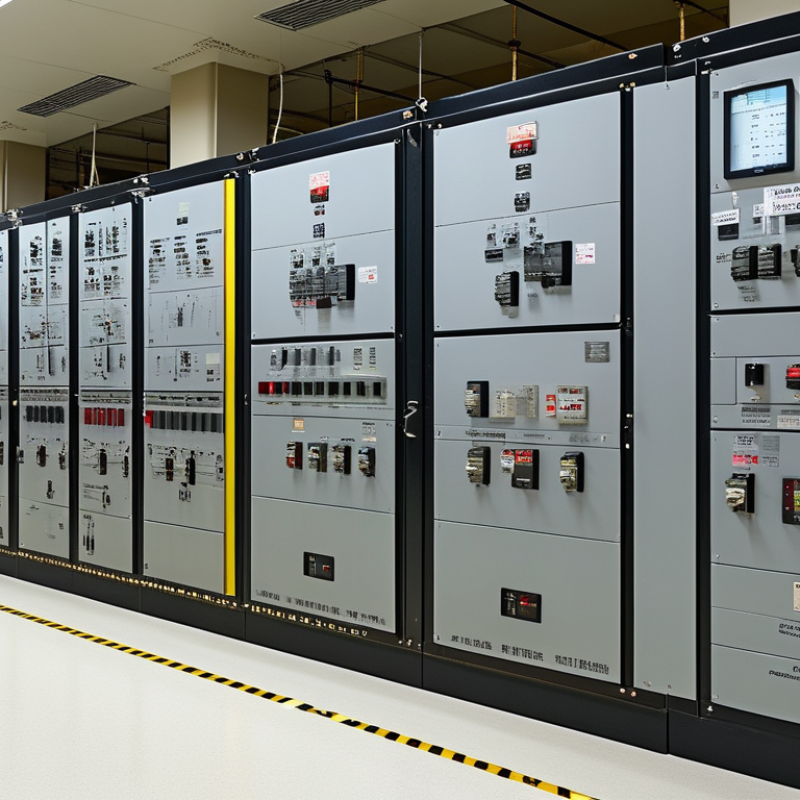
What Is an ATS Electrical Panel and How Does It Work?
An automatic transfer switch (ATS) electrical panel moves a building’s power load between a utility supply and a standby generator. It monitors voltage, frequency, and phase conditions through internal sensors. When utility power fails or becomes unstable, the controller starts the generator and checks its output. After a short delay, the ATS transfers the load using mechanically or electrically interlocked switching devices. This design helps prevent both sources from connecting at the same time.
When utility power returns, the panel confirms stable conditions before switching back. The generator may continue running briefly to cool down. In real installations, timing matters. Sensitive equipment may need a shorter transfer delay, while motors often require more careful adjustment. A qualified electrician should verify cable sizing, fault ratings, grounding, enclosure protection, and local approval requirements. Regional standards differ, so one configuration may not suit every global project.
Tips: Confirm the panel’s voltage, current, phase, and frequency ratings before purchase. Check whether the generator provides compatible control signals. Ask for wiring diagrams, test records, and maintenance instructions. Include manual bypass capability where continuous operation is critical. Do not rely only on product descriptions; actual site conditions can expose weaknesses. Even a correctly rated ATS may perform poorly if ventilation, installation space, or commissioning is overlooked.
An automatic transfer switch (ATS) electrical panel transfers a critical load between a primary utility source and a standby generator. The chart compares seven common nominal ATS current ratings and their theoretical three-phase apparent-power capacity at 480 V.
Values are calculated using S = √3 × V × I ÷ 1,000, with 480 V, three-phase power and a power factor of 1. Actual usable load capacity depends on the equipment rating, installation conditions, local electrical codes, and the connected load power factor.
A high-quality ATS electrical panel does more than switch between utility and generator power. It must sense voltage, frequency, phase loss, and phase rotation accurately. IEC 60947-6-1 provides a key reference for transfer switching equipment. Buyers should request test records, not rely on attractive enclosure designs. For emergency systems specified as Type 10, NFPA 110 requires power transfer within 10 seconds. That makes sensing and control logic critical.
Strong panels use mechanically and electrically interlocked contactors or breakers. They prevent both sources from closing together. Adjustable time delays help avoid transfers during short voltage dips. Useful features include neutral switching, bypass-isolation capability, surge protection, generator-start contacts, and event logging.
Communications may support Modbus or dry contacts, but compatibility must be checked before purchase. Uptime Institute’s 2024 outage analysis reported that 54% of surveyed organizations experienced an outage costing more than $100,000. Even a brief transfer failure can create serious operational costs.
Tips: Check the rated short-circuit withstand, insulation voltage, operating temperature, and altitude limits. Confirm 50 Hz or 60 Hz compatibility. Ask for factory test results and maintenance instructions. A “fast” transfer is not always safer; sensitive loads may need in-phase transfer or a programmed delay. Field wiring is often the weak point. One overlooked neutral conductor can undermine an otherwise capable panel. Selection should match the site’s load profile, protection scheme, and local electrical requirements.
To compare the seven best ATS electrical panels for global buyers, use a consistent technical scorecard. Check rated current, voltage, frequency, pole configuration, transfer time, and transition type. Open-transition models reduce cost, while closed-transition designs can limit interruption during source changes. Confirm short-circuit withstand ratings, control logic, bypass isolation, and manual operation.
Small details matter.
IEC 60947-6-1 provides a useful reference for transfer switching equipment. NFPA 110 also emphasizes reliable emergency power transfer and periodic testing. These standards do not replace local approval requirements. Buyers should verify regional certifications, enclosure ratings, wiring rules, and utility conditions before comparing prices. A panel built for 400 V, 50 Hz operation may not suit a 480 V, 60 Hz installation.
Reliability deserves more weight than brochure features. Uptime Institute’s 2024 Annual Outage Analysis reported that 54% of surveyed organizations experienced an outage during the previous three years. About one-fifth described an outage as serious or severe.
Compare sensing accuracy, event logging, alarm contacts, surge protection, and spare-part access. Ask for factory test records and field references. Then examine service response and replacement lead times.
The cheapest panel may become expensive after one failed controller. That is not always obvious.
A practical comparison should also include installation space, heat dissipation, maintenance clearance, and commissioning support. Some evaluations still overlook human error, which remains a difficult factor to measure.
When selecting an ATS electrical panel for international use, check the governing product standard first. IEC 60947-6-1 covers automatic transfer switching equipment. IEC 61439 addresses low-voltage switchboard assembly design and verification. These standards help confirm switching performance, temperature rise, insulation, and short-circuit withstand capability.
For North American projects, buyers often request UL 1008 certification and a clearly stated SCCR rating. European projects may require CE marking under applicable Low Voltage and EMC requirements.
However, CE is a declaration, not always independent certification. Ask for the Declaration of Conformity and supporting test records. The CB Scheme can also simplify acceptance across participating countries, but local authorities may still request additional documents.
Check the panel’s voltage, frequency, current rating, poles, neutral switching, and transfer time. Confirm the enclosure rating under IEC 60529, especially for dusty plant rooms or humid coastal sites.
A certificate alone is not enough. Its scope must match the exact model, configuration, and factory location. In practical procurement reviews, mismatched certificates create expensive delays. Sometimes, even a small enclosure change requires reassessment. That detail is easy to miss.
Request factory routine-test records, type-test reports, wiring diagrams, calibration evidence, and maintenance instructions. Verify the laboratory’s accreditation and the certificate’s validity directly.
ISO 9001 supports manufacturing consistency, but it does not certify the ATS itself. Local grid rules, emergency-power regulations, and installation codes still apply. This part needs careful checking.
Selecting the right ATS panel starts with the load, not the enclosure. For seven competing options, compare source ratings, voltage, phase, frequency, fault current, and neutral arrangement. A 400-amp switch can still fail if its short-circuit rating is too low. Confirm generator capacity with a qualified electrical engineer. This detail is often rushed.
Motor-Heavy Applications Motor-heavy applications need suitable transition control and adjustable time delays. Pumps and compressors can create sharp inrush currents. A delayed transfer may prevent nuisance trips. Sensitive servers may require closed-transition equipment when the site design permits it. Open transition is simpler and often costs less. It can briefly interrupt power.
Environmental conditions should guide the enclosure and control features. Outdoor sites need weather protection, corrosion resistance, and temperature-rated components. Dusty workshops may need stronger sealing and better cable entry protection. Global buyers should verify test reports, wiring diagrams, maintenance access, and local certification requirements. Ask for installation references, not polished claims. I would also inspect bypass-isolation options when maintenance cannot interrupt critical loads. No checklist is perfect. Field conditions can expose hidden assumptions.
TS panel detect?
Systems with Type 10 requirements may need power transfer within 10 seconds. The exact requirement depends on the installation and local rules. Fast is not always safer. Sensitive loads may need in-phase transfer or a programmed delay.
Strong designs use mechanical and electrical interlocks. These controls prevent utility and generator sources from connecting simultaneously. That protection is essential. Ask how the interlock works during control failure.
Adjustable time delays can prevent transfers during brief voltage dips. They also reduce unnecessary generator starts. A delay must match the load. Too little delay may cause nuisance transfers.
Useful options include neutral switching, bypass isolation, surge protection, and generator-start contacts. Event logging can show transfer times and fault conditions. Communication may use Modbus or dry contacts. Compatibility must be checked before purchase.
Check short-circuit withstand, insulation voltage, current rating, and operating temperature. Confirm the site altitude and enclosure protection requirements. Verify 50 Hz or 60 Hz compatibility. A small mismatch can create a large problem.
Transfer equipment may be evaluated under IEC 60947-6-1. Switchboard assembly requirements may involve IEC 61439. Enclosure protection can be reviewed under IEC 60529. Request conformity declarations, test reports, wiring diagrams, and routine-test records.
No. The certificate’s scope should match the exact model, configuration, and factory location. Check its validity and the testing laboratory’s accreditation. Even a minor enclosure change may require reassessment. This detail is easy to miss.
Field wiring is often the weakest point. An overlooked neutral conductor can undermine a capable panel. Verify wiring diagrams against the installed conductors. Maintenance instructions should be practical and site-specific.
An Ats Electrical Panel is a critical power management device that automatically transfers electrical loads between a primary utility source and a backup generator when an outage or abnormal condition occurs. This article explains how the system works and highlights the technical features that define a high-quality panel, including switching speed, rated capacity, voltage compatibility, enclosure protection, control flexibility, monitoring functions, and reliable safety mechanisms.
It also provides a practical framework for comparing the seven best ATS electrical panels for global buyers without focusing on any specific brand. Readers will learn which international standards and certifications to verify, how installation environments affect panel selection, and how to match an ATS solution with residential, commercial, industrial, telecommunications, and other power applications. By considering load characteristics, phase configuration, environmental conditions, maintenance requirements, and future expansion needs, buyers can choose a dependable and compliant automatic transfer solution for stable power continuity.

Mingri Electric