How to Choose the Right Distribution Substation for Your Needs?

Time:2026-06-19 Author:Aria
0%

Choosing the right distribution substation is crucial for efficient power delivery. John Anderson, an industry expert, once stated, "The right distribution substation can make or break a power network." This highlights the importance of thoughtful selection in this area.

When evaluating options, consider location, capacity, and technology. The distribution substation must align with your unique needs. Each choice involves trade-offs that can impact reliability and cost. Avoiding these decisions can lead to inefficiencies.

Additionally, the landscape of distribution substations is constantly evolving. Emerging technologies and environmental considerations are shaping future designs. This complexity adds both opportunities and challenges to your selection process. Reflect on your priorities and seek expert advice to navigate these choices effectively.
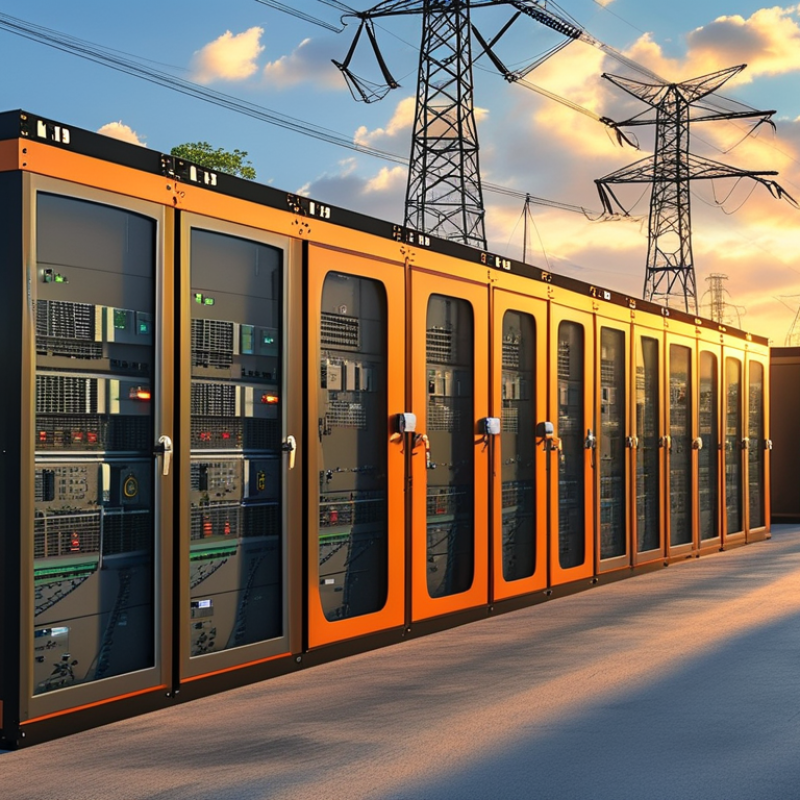
How to Choose the Right Distribution Substation for Your Needs?

Understanding the Role of Distribution Substations in Power Systems

Distribution substations are crucial components of power systems. They serve as the bridge between high-voltage transmission lines and lower-voltage distribution networks. Their primary role is to transform high voltage electricity from the grid into a form that can be safely distributed to homes and businesses. This transformation is essential for maintaining the integrity and safety of the power supply.

When selecting a distribution substation, consider the specific energy demands of your area. Assess the load requirements and the expected growth in demand. A larger or more complex area might require a robust substation with advanced technology. Factors such as the geographical layout and the existing infrastructure must also be analyzed. It's important to engage with experts in the field to gain insights into the unique challenges and opportunities in your locality.

Moreover, the reliability of the substation is paramount. Outages can lead to significant disruptions. Understanding the maintenance history and the technology used in the substation can provide critical information. Choosing the right substation isn't just about meeting current needs; it's about future-proofing the energy supply for evolving demands and ensuring a stable power infrastructure for all users.

How to Choose the Right Distribution Substation for Your Needs?

Criteria Description Considerations Example Values
Load Capacity The maximum load that the substation can handle. Consider future demand and peak load conditions. 10 MVA, 25 MVA, 50 MVA
Location The geographical placement of the substation. Accessibility and proximity to load centers. Urban Area, Rural Area, Near Industrial Zone
Type The configuration of the distribution substation. Determine if a step-down, step-up, or switching station is needed. Air-insulated, Gas-insulated
Protection System Safety mechanisms to prevent overloads and faults. Review the protective relays and fuses used. Relay Types: electromechanical, digital
Future Expandability Potential for future enhancements and upgrades. Factor in scalability for increasing loads. Space for additional transformers, switchgear

Key Factors to Consider When Selecting a Distribution Substation

When selecting a distribution substation, it's essential to understand your specific requirements. Various factors play crucial roles in the decision-making process. For instance, assess the load capacity needed for your application. Load estimation helps prevent overloading issues, which can lead to failures and increased costs. Also, consider future growth. The substation should accommodate rising demands without significant upgrades.

Location is another critical detail. Evaluate the accessibility for maintenance and repairs. Proximity to existing infrastructure can reduce installation costs. A well-placed substation minimizes operational disruptions. Safety standards should not be overlooked. Compliance with regulations ensures a reliable and safe system.

Lastly, think about the technology used. Advanced monitoring instruments improve efficiency but may require specialized training. Weigh the balance between modern features and your team's expertise. Sometimes, traditional systems may be more reliable given your context. These reflections guide you toward making an informed choice.

Evaluating Load Requirements for Your Specific Power Needs

When choosing a distribution substation, evaluating your load requirements is essential. According to the U.S. Energy Information Administration, the average American home uses about 877 kWh per month. Understanding your specific power needs ensures that your substation can handle fluctuations effectively. For businesses, this demand can vary significantly based on operations.

Tips: Assess your peak load and average load demands. This understanding helps in sizing the equipment correctly. Many organizations underestimate their needs, risking outages. Additionally, consider future growth. The investment in a larger substation now may save money later.

To assess your load requirements accurately, gather data on your usage patterns. Utilize smart meters or historical billing records to identify trends. The DOE recommends evaluating both operational and emergency load demands. This comprehensive approach provides a clearer picture of your needs. However, many overlook emergency scenarios, which can lead to inadequate support during critical times.

Evaluating Load Requirements for Distribution Substations

This chart illustrates the estimated load requirements for various types of distribution substations based on typical consumer needs. The data reflects a comparison between residential, commercial, and industrial sectors.

Assessing Site Location and Environmental Impacts

Choosing the right site for a distribution substation is crucial. Location impacts operational efficiency and environmental sustainability. Assessing the site involves considering proximity to load centers and accessibility. A well-chosen site enhances power reliability, reducing outages and maintenance costs.


Environmental impacts must be evaluated meticulously. The site selection process should include assessments for wetlands, wildlife habitats, and noise. Each of these factors can lead to significant issues if overlooked. For example, unexpected flooding can damage infrastructure, leading to costly repairs.


Regulatory compliance is another aspect. Local regulations often dictate siting criteria. Failure to adhere can result in fines or project delays. Engaging with local communities early is essential. It helps to address concerns and gain support. A thoughtful approach today can prevent larger problems later on.

Comparing Costs and Long-Term Benefits of Different Substation Types

Choosing the right distribution substation is crucial for efficiency and reliability. Different types of substations come with varying costs and long-term benefits. A well-designed substation can significantly reduce operational costs. However, the initial investment may be higher depending on the technology used.

Traditional substations often have lower upfront costs. Yet, they may incur higher maintenance expenses over time. In contrast, modern substations utilize advanced technology. They provide better energy management and may lead to long-term savings. It's vital to measure initial costs against potential benefits.

Consider your specific needs carefully. Factors such as location, load requirements, and future expansion plans play a role. A tailored approach will ensure you select the most cost-effective solution. Evaluating all aspects will help minimize regrets later. Reflecting on these details can lead to informed decisions that support energy goals.

FAQS

: What is the role of distribution substations in power systems?

: Distribution substations transform high voltage electricity into lower voltage for safe delivery to homes and businesses.

Why is evaluating load requirements important for selecting a substation?

Evaluating load ensures that the substation can handle present and future energy demands without risking outages.

How can businesses assess their power needs?

Businesses should analyze peak and average loads, using tools like smart meters and billing records for accurate data.

What factors should be considered when selecting a site for a substation?

Consider proximity to load centers, accessibility, and potential environmental impacts to ensure efficient operation and sustainability.

What environmental impacts should be considered during site selection?

Evaluate for wetlands, wildlife habitats, and noise to avoid future damage and regulatory issues.

Why is community engagement important in the site selection process?

Involving local communities early can address concerns and help secure support for the project, preventing future conflicts.

How can a larger substation be beneficial?

Investing in a larger substation now may save costs later by accommodating future growth and preventing outages.

What are the risks of insufficient load assessment?

Underestimating energy needs can lead to outages and inadequate support during peak or emergency periods.

How does site selection affect power reliability?

A well-chosen site enhances operational efficiency, reducing potential outages and maintenance costs for the power supply.

What should be done if environmental factors are overlooked?

Ignoring environmental assessments can lead to significant issues, such as unexpected flooding or habitat damage, incurring high costs.

Conclusion

Choosing the right distribution substation is crucial for ensuring efficient power distribution within a given area. A distribution substation plays a vital role in power systems by transforming high-voltage electricity into lower voltages suitable for consumer use. When selecting a distribution substation, it is essential to evaluate key factors such as load requirements, site location, and potential environmental impacts.

Understanding your specific power needs is paramount, as it determines the capacity and type of substation that will best serve your requirements. Additionally, evaluating the costs associated with different substation types alongside their long-term benefits can aid in making an informed decision. In summary, careful consideration of these factors will ensure that you choose a distribution substation that meets both current and future energy demands efficiently.


Aria

Aria

Aria is a dedicated marketing professional with a deep passion for innovative strategies and a keen understanding of our company's product offerings. With a wealth of experience in the industry, Aria excels at crafting engaging content that highlights the unique features and benefits of our......