How to Choose the Right Electrical Switchgear for Your Needs?

Time:2026-06-26 Author:Charlotte
0%

Choosing the right Electrical Switchgear for your needs is crucial for ensuring safety and efficiency in any electrical system. According to a report by MarketsandMarkets, the global switchgear market is expected to reach $200 billion by 2027, driven by infrastructure development and renewable energy adoption. This growth highlights the importance of selecting the appropriate equipment to meet operational demands.

Electrical Switchgear provides essential functions like protection and control. However, the variety of options can be overwhelming. For instance, the choice between medium-voltage and low-voltage switchgear depends on specific application requirements and operational environments. Missteps in selection can lead to significant operational disruptions or safety hazards.

Understanding technical specifications and industry standards is vital. For instance, the IEC 62271 standard governs high-voltage switchgear, ensuring safety and reliability. Ignoring these standards can compromise system integrity. Therefore, careful consideration and expert guidance are invaluable in navigating the complex landscape of Electrical Switchgear to enhance performance and longevity.
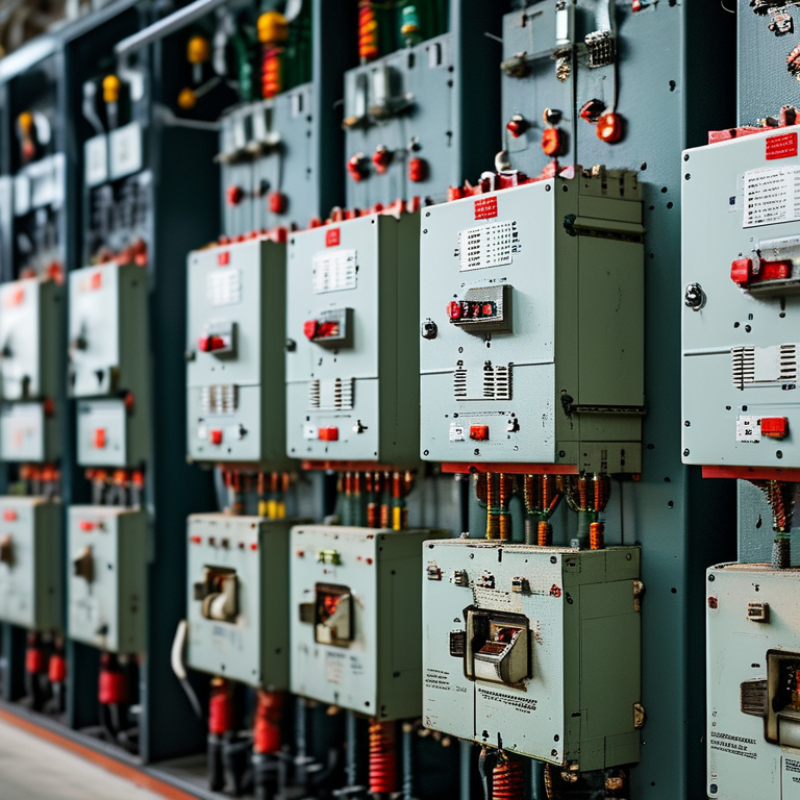
How to Choose the Right Electrical Switchgear for Your Needs?

Understanding Electrical Switchgear and Its Importance

Electrical switchgear plays a vital role in managing and protecting electrical systems. It consists of several components that control and disconnect power. This is essential in maintaining system reliability and safety. Understanding these elements helps in selecting the right switchgear for specific needs.


Choosing appropriate switchgear involves considering several factors. You should assess the power requirements, environmental conditions, and safety standards. This ensures optimal performance and longevity. Many users overlook the impact of installation and maintenance. A poor choice can lead to frequent failures and unexpected costs.


The importance of quality cannot be overstated. Reliable switchgear minimizes hazards and system downtime. Investing in well-made equipment promotes efficiency. Ignoring manufacturer specifications can lead to serious problems. Remember, each application is unique. Take the time to evaluate your specific requirements carefully.

Key Factors to Consider When Selecting Switchgear

When selecting electrical switchgear, consider several key factors to ensure it meets your needs effectively. One crucial aspect is the application type. Different environments require varying switchgear levels of protection and performance. For instance, industrial settings may demand robust gear against harsh conditions, while residential use often necessitates simpler, more user-friendly options.

Another factor is the voltage rating. It's essential to match the switchgear to the specific voltage of your system. Overrating can lead to safety risks, while under-rating can result in equipment failure. It's critical not to overlook the potential for future expansions. Will your system grow? Anticipating increased capacity needs can save significant costs and efforts later.

Tip: Research installation requirements thoroughly. Some switchgear may need professional installation, while others can be DIY.

Assess the features, from protection mechanisms to monitoring capabilities. Choose wisely, as these can impact long-term reliability.

Tip: Always consult with electrical professionals. Their insights can highlight missteps you might overlook. Effective selection is key to functionality and safety, so take the time to reflect on all factors involved.

Types of Electrical Switchgear and Their Applications

When selecting electrical switchgear, understanding the types available is crucial. Common types include air-insulated switchgear (AIS) and gas-insulated switchgear (GIS). AIS is typically used in outdoor settings. It offers easy maintenance and is cost-effective. However, it may require more space and can be affected by environmental conditions.

On the other hand, GIS is compact and suited for urban areas. It reduces land usage but involves higher initial costs. The choice depends on your specific needs and location.

Tips: Consider future expansions when making your decision. Evaluate the local environment, as weather conditions might impact performance. Ensure you have reliable support from suppliers. Understanding these factors can lead to a better long-term investment. Sometimes, opting for the more economical choice might seem wise, but hidden costs could arise later. Always weigh your options carefully.

How to Choose the Right Electrical Switchgear for Your Needs?

Type of Switchgear Application Voltage Rating Key Features
Air Insulated Switchgear (AIS) Substations and Industrial Applications 0.4 kV to 345 kV Robustness, Easy Maintenance
Gas Insulated Switchgear (GIS) Urban Areas and Limited Space 10 kV to 800 kV Compact Design, High Reliability
Hybrid Switchgear Renewable Energy Applications 30 kV to 145 kV Versatile, Space-Efficient
Modular Switchgear Modular Plants and Expansion 12 kV to 40.5 kV Scalability, Flexibility
Distribution Switchgear Commercial and Residential Buildings 0.4 kV to 36 kV User-Friendly, Safety Features

Evaluating Technical Specifications and Standards

When selecting electrical switchgear, understanding technical specifications is crucial. You must assess parameters like voltage rating, current rating, and insulation type. These factors determine how well the switchgear will perform under different conditions. A mismatch could lead to failures or inefficiencies.

Tips: Always refer to industry standards when evaluating switchgear. Familiarize yourself with IEC, ANSI, and IEEE guidelines. They outline essential safety and performance criteria. This step ensures that the equipment meets necessary regulations.

It's easy to overlook the importance of maintenance requirements. Different switchgear types may have varying upkeep needs. Regular assessments can identify potential issues before they escalate. Reflect on whether your team has the expertise for these tasks. Consider the need for additional training or resources. Investing in these areas can enhance reliability and safety after installation.

Budgeting and Sourcing: Finding the Right Switchgear Solutions

When selecting electrical switchgear, budgeting is a crucial aspect to consider. The initial cost of switchgear can vary significantly based on features and specifications. It’s essential to calculate the total cost of ownership, including maintenance and operational expenses. Many individuals overlook long-term costs and focus solely on the upfront price. This can lead to higher expenses down the line.

Sourcing the right switchgear solutions involves researching suppliers and manufacturers. Consider their reputation and experience in the field. Consult with professionals who can provide insights into quality and reliability. Online forums and reviews can also be beneficial. However, be cautious of biased opinions. Engaging in discussions with different stakeholders may reveal shortcomings in popular options, prompting a deeper evaluation of what truly meets your needs. This reflective process often helps uncover the best choice for your specific requirements.

FAQS

: What are the main types of electrical switchgear?

: The main types are air-insulated switchgear (AIS) and gas-insulated switchgear (GIS).

Where is AIS typically used?

AIS is usually used outdoors. It’s easy to maintain but needs more space.

What are the key advantages of GIS?

GIS is compact, making it ideal for urban areas. It reduces land use but has higher initial costs.

What should I consider for future expansions?

Important factors include your specific needs and location. Plan ahead to avoid constraints.

How do technical specifications affect switchgear performance?

Specifications like voltage and current ratings determine performance. Mismatches can lead to inefficiencies.

Why refer to industry standards?

Standards like IEC and ANSI ensure safety and performance criteria. Following them is essential for compliance.

What maintenance considerations should I keep in mind?

Different switchgear types require varying upkeep. Regular assessments help identify issues early and ensure reliability.

What can hidden costs arise from?

Often, economical choices might seem better but can lead to unexpected expenses down the line.

How can I enhance team expertise for maintenance?

Reflect on your team's capabilities. Extra training or resources might be necessary to ensure effective upkeep.

What environmental factors should I assess?

Local weather conditions can impact switchgear performance. Analyze this before making a decision.

Conclusion

Choosing the right Electrical Switchgear is crucial for ensuring safe and efficient energy distribution in various applications. Understanding the importance of electrical switchgear helps users configure systems that meet specific operational and safety requirements. Key factors such as voltage ratings, current capacity, and environmental conditions must be considered alongside the types of electrical switchgear available, which cater to diverse applications from industrial settings to commercial buildings.

Evaluating technical specifications and standards is essential to ensure compliance and reliability in performance. Additionally, budgeting and sourcing strategies play a vital role in identifying suitable switchgear solutions that align with financial constraints while maintaining quality and safety standards. Ultimately, a well-informed selection process can significantly enhance the effectiveness of electrical systems.

Charlotte

Charlotte

Charlotte is a seasoned marketing professional with a deep understanding of the company's portfolio and a passion for elevating its presence in the market. With a keen eye for detail and a commitment to excellence, she ensures that our professional blog is regularly updated with insightful articles......