Choosing the right Ring Main Switch is not a catalogue exercise. It is a decision about safety, continuity, maintenance, and future load growth. A compact unit may look efficient on a drawing. However, its ratings must match the network’s voltage, current, fault level, insulation conditions, and switching duty.
Electrical safety author John Cadick wrote, “Safety is not an accident.” This principle remains highly relevant when selecting a Ring Main Switch. Engineers should examine short-circuit withstand ratings, internal arc classification, earthing arrangements, interlocking, and protection coordination. They should also check whether the switch uses air, gas, or vacuum technology. Each option affects service access, environmental performance, and maintenance planning. The enclosure should suit the site, whether it stands in a dry substation, a coastal cabinet, or a dusty industrial room.
Practical experience also exposes details that specifications can hide. A handle must remain clear and usable under pressure. Cable compartments need enough space for safe termination. Indicators should be visible in poor lighting. Remote-control interfaces require careful testing, not optimistic assumptions. No selection is perfect. A lower-cost Ring Main Switch can become expensive when spare parts are slow, training is limited, or outages are difficult to arrange. This guide compares the essential technical and operational factors. It also questions a common mistake: choosing familiar equipment without checking the actual network. Reliable decisions come from verified data, competent review, and honest attention to future risks.
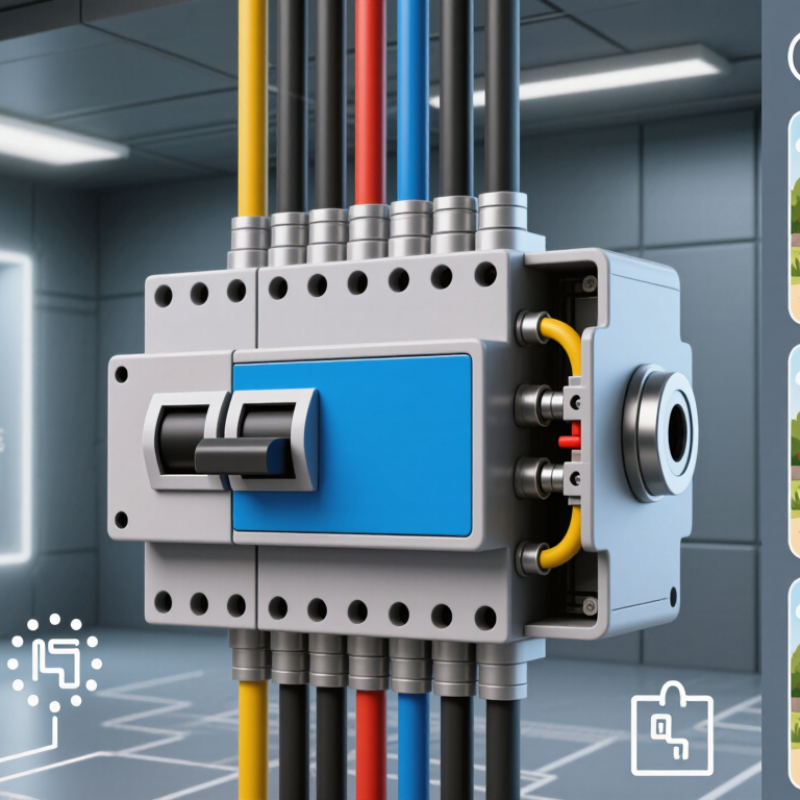
Understanding the Role and Functions of a Ring Main Switch
How to Choose the Right Ring Main Switch?
A ring main switch controls and protects a ring circuit that supplies several outlets. Its main role is safe isolation during maintenance. It also helps limit damage when overloads or short circuits occur. In a healthy circuit, current travels around the ring from both directions. This arrangement can distribute load more evenly. However, the switch must match the circuit design, cable size, and expected demand.
The correct choice depends on rated current, voltage, breaking capacity, and enclosure protection. Check the installation drawings before selecting equipment. Local electrical rules and recognized technical standards should guide the decision. A qualified electrician should verify conductor size, earthing, polarity, and continuity. These checks matter because a visually tidy installation can still contain a dangerous fault. Do not rely only on the switch label.
Practical inspection adds useful detail. Look for secure terminals, clear circuit identification, and enough space for heat dissipation. Test the switch under controlled conditions, not merely by moving the handle. An overloaded circuit may feel warm at a terminal before a protective device operates. That warning is easy to miss. Some selections seem correct on paper but fail after actual load patterns change. A careful review should consider heaters, kitchen equipment, and future additions. If the circuit has been altered repeatedly, replacing the switch alone may not solve the problem. A full inspection may be the more reliable choice.
How to Choose the Right Ring Main Switch?
Ring main switches are selected according to system voltage, continuous current, short-circuit withstand capability, and switching function. The chart shows common medium-voltage classes and a typical 630 A ring-switch rating used in distribution RMUs. Always verify the equipment nameplate, network fault level, and applicable IEC requirements before selection.
Identifying Your Electrical System’s Voltage, Current, and Load Requirements
Choosing the right ring main switch starts with verified electrical data, not guesswork. Identify the system voltage from the latest single-line diagram, equipment nameplate, and site records. Common systems may operate at low, medium, or higher distribution voltages. Never assume the voltage from cable size alone. A qualified electrician should confirm readings with a properly rated test instrument.
Current requirements need equal attention. Record the maximum continuous current, expected starting current, and possible future demand. Motors, transformers, and heating equipment can create short but significant surges. Select a switch with a continuous current rating above the calculated load. Its short-circuit withstand and breaking capacity must also match the available fault level. A switch can look suitable and still fail under fault conditions.
Load diversity can reduce the calculated demand, but use realistic operating patterns. Check whether several large loads start together during a normal shift. Review cable capacity, protection settings, earthing, and enclosure conditions as one system. In practice, incomplete drawings cause many selection errors. I have found site labels that no longer matched the installed equipment. That detail matters. Recheck everything. Leave reasonable capacity for expansion, but avoid excessive oversizing, which may increase cost and complicate coordination. When the figures remain uncertain, stop and obtain a professional load study before choosing the switch.
Comparing Switch Types, Ratings, and Protection Features
How to Choose the Right Ring Main Switch?
A ring main switch should match the network’s voltage, load, and fault conditions. Start by comparing the switch type. A load-break switch suits routine switching under normal load. A circuit breaker offers faster fault interruption and works with protective relays. A fused switch can be compact and economical, but fuse replacement requires careful coordination. The choice depends on feeder criticality, maintenance access, and expected fault energy.
Check the ratings closely. The rated voltage must exceed the system voltage, including temporary overvoltage conditions. Continuous current should cover the calculated load, not just today’s reading. Short-time withstand current shows what the switch can tolerate during a fault. Peak withstand current matters during the first severe cycle. Insulation level is also important in humid, dusty, or high-altitude sites. Small details matter.
Protection features deserve equal attention. Look for sensitive earth-fault protection, phase-fault protection, and dependable trip mechanisms. An earthing switch should include mechanical and electrical interlocks. These prevent unsafe closing onto an earthed cable. Arc-resistant construction can reduce injury risks during internal faults. IEC 62271 requirements provide a useful reference, but site verification remains essential. A rating printed on a brochure is not enough. During inspections, engineers should confirm cable size, relay settings, testing records, and enclosure condition. I would also question unusually low-cost options; saving money at purchase may increase maintenance pressure later. Some assumptions will be wrong. That is why fault studies and operating data should guide the final selection.
Checking Installation Conditions, Standards, and Maintenance Needs
How to Choose the Right Ring Main Switch?
Choosing a ring main switch starts with the installation environment. Check whether the unit will serve an indoor room, outdoor kiosk, or compact substation. Record ambient temperature, altitude, humidity, dust, salt exposure, and available space. Cable bending radius matters. So does future expansion. A switch that fits today may restrict tomorrow’s maintenance work.
Review applicable standards before comparing ratings. IEC 62271 series requirements may apply, alongside national regulations and utility specifications. Confirm rated voltage, current, short-time withstand current, insulation level, and fault-clearing performance. Protection coordination must match the upstream and downstream equipment. Ask a qualified engineer to verify the calculations. A catalogue rating alone is not enough.
Tips: Leave clear access around operating handles and cable compartments. Check earthing points and interlocks during commissioning. Request maintenance instructions, test records, and spare-part availability. For sealed units, confirm the inspection method and service limits. For serviceable compartments, plan inspection intervals around dust and moisture levels. Field checks often reveal small problems, such as blocked vents or tight cable bends. These details are easy to miss. I would not rely on a neat checklist alone; site conditions can change after installation. Keep photographs and measured values in the handover file. That evidence supports safer decisions later.
Selecting a Reliable Ring Main Switch for Safe Long-Term Use
How to Choose the Right Ring Main Switch?
Selecting a reliable ring main switch requires more than comparing price and enclosure size. Start with the network’s rated voltage, continuous current, short-circuit withstand, and switching duty. These values must match the installation design, not a convenient catalogue figure. Ask for verified type-test and routine-test records, preferably against applicable IEC 62271 requirements. A missing certificate is not a minor detail.
The installation environment deserves equal attention. A switch placed in a humid plant room needs suitable insulation, sealing, corrosion protection, and an enclosure with an appropriate IP rating. Check cable compartments, earthing points, pressure relief, and visible position indicators. Interlocks should prevent unsafe operating sequences. They should also be simple enough for technicians to understand during a stressful outage.
Reliable operation depends on maintenance after delivery. I would inspect terminal torque, mechanical movement, gas or vacuum indicators, and auxiliary contacts during commissioning. Record each result. Thermal imaging during a loaded trial can reveal a warm connection before it becomes a failure. Follow the manufacturer’s service instructions and local electrical rules, using trained personnel and approved test equipment. Do not assume “maintenance-free” means inspection-free. That wording often encourages neglect. In practice, clear labels, accessible test points, and a realistic spare-parts plan can matter as much as advanced features. A rushed selection may work today, yet create difficult repairs years later.
FAQS
Record voltage, current, temperature, altitude, humidity, dust, salt exposure, and available space. Cable bending radius matters. Leave room for future maintenance and expansion.
Check rated voltage, continuous current, short-circuit withstand, insulation level, and switching duty. A catalogue value may not suit the actual network. Qualified engineers should verify the calculations.
Review applicable electrical standards, national rules, and utility requirements. Request type-test and routine-test records. Missing evidence deserves careful review.
Humid rooms need suitable insulation, sealing, corrosion protection, and enclosure protection. Outdoor locations may face rain, dust, salt, and temperature changes. Small details matter.
Check cable compartments, earthing points, pressure relief, position indicators, and operating handles. Interlocks should prevent unsafe operating sequences. They must remain understandable during a stressful outage.
Inspect terminal torque, mechanical movement, auxiliary contacts, indicators, and earthing connections. Record measured values and take clear photographs. Do not rely on memory.
No. Confirm inspection methods, service limits, and available test points. “Maintenance-free” can encourage neglect, which is a practical risk.
Use thermal imaging during a loaded trial to identify warm connections. Also check blocked vents, tight cable bends, and loose terminals. A neat checklist can still miss site changes.
Follow service instructions, local electrical rules, trained personnel, and approved test equipment. Plan inspection intervals around dust and moisture levels. Keep realistic spare parts available.
Conclusion
Choosing the right Ring Main Switch begins with understanding its role in controlling, isolating, and protecting electrical circuits within a ring main system. Before making a selection, identify the system’s voltage, operating current, connected load, fault level, and future expansion requirements. These details help ensure that the switch can operate safely and reliably under normal and abnormal conditions.
Next, compare available switch types, current ratings, insulation levels, switching capacity, enclosure protection, and built-in safety features. Installation conditions, environmental exposure, space limitations, applicable electrical standards, and accessibility for inspection should also be considered. A suitable Ring Main Switch should be compatible with the complete system, easy to maintain, and supported by clear technical documentation. Selecting a properly rated and well-protected unit can reduce operational risks, simplify maintenance, and provide dependable long-term performance. When in doubt, consult a qualified electrical professional to verify the design and installation requirements.

 Mingri Electric