Selecting the right Switchgear Panel is vital for any electrical project. Industry studies highlight that improper switchgear selection can lead to safety hazards and costly downtimes. According to a recent report by the International Electrotechnical Commission, nearly 30% of electrical failures are linked to outdated or inadequate switchgear solutions.
The performance and reliability of a Switchgear Panel directly impact operational efficiency. In fact, recent market analyses indicate that investing in high-quality switchgear can enhance system performance by 25%. This isn't just about cost; it’s also about safety. Panels that fail can cause electrical arcs, which can lead to fires or explosions. Therefore, understanding the specifications and features of switchgear panels is essential.
Moreover, it’s important to consider environmental factors. The right panel should withstand specific conditions, whether it is high humidity or extreme temperatures. Many projects overlook this aspect, leading to premature equipment failure. The long-term benefits of choosing the right Switchgear Panel are undeniable. However, making that choice requires careful consideration and expertise in the field.
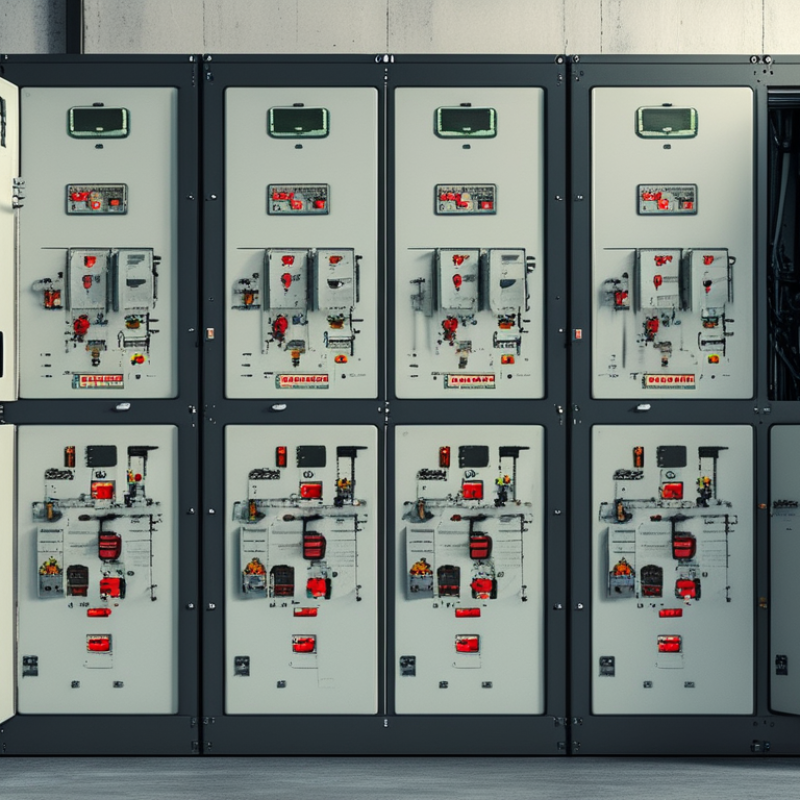
Switchgear panels play a crucial role in electrical systems. They are essential for controlling and protecting electrical circuits. Understanding their functions can significantly impact project outcomes.
A switchgear panel primarily disconnects, controls, and protects electrical equipment. It houses switches, fuses, and circuit breakers, all working together to ensure safety. When an overload occurs, the circuit breakers trip, preventing damage. The design and configuration can vary widely based on the project’s requirements.
Choosing the right switchgear panel involves careful consideration. Factors such as voltage, current rating, and layout need examination. Misjudgments in these areas can lead to inefficiencies or even hazards. As projects become more complex, having a reliable switchgear panel becomes vital. Prioritizing quality and suitability helps ensure the safety and longevity of electrical systems.
When selecting a switchgear panel for your project, understanding key factors is essential. Consider the environment where the switchgear will be installed. For instance, extreme temperatures can affect performance. A recent industry analysis shows that nearly 25% of switchgear failures stem from improper environmental conditions.
Next, assess the electrical specifications required for your project. This includes voltage levels, current rating, and load types. According to the International Electrotechnical Commission, mismatches can lead to overheating and equipment damage. It’s critical to ensure that your switchgear can handle the intended load safely.
Moreover, think about the expandability and modular nature of the switchgear. As projects evolve, additional capacity may be needed. Over 40% of electrical engineers report that poor expandability has hampered their project timelines. This factor must not be overlooked when making your choice. Balancing these aspects ensures a reliable and efficient power distribution system.
| Criterion | Description | Importance |
|---|---|---|
| Voltage Rating | Ensure that the switchgear can handle the voltage requirements of your system. | Critical |
| Current Rating | Select a panel that can manage the maximum current load of your equipment. | Essential |
| Temperature Range | Consider the operating temperature conditions to ensure reliability and performance. | Important |
| Short-Circuit Rating | The ability to withstand fault currents is vital for safety. | High |
| Type of Protection | Consider IP rating for dust and moisture protection according to installation location. | Very Important |
| Physical Size | Ensure it fits within the allocated space of your facility. | Moderate |
| Standards Compliance | Ensure the panel meets local and international electrical standards. | Mandatory |
Switchgear panels are essential in electrical distribution systems. They ensure safe and efficient operation of power systems. Understanding the types of switchgear panels can help you choose the right one for your project.
There are various types of switchgear panels, including air-insulated switchgear (AIS), gas-insulated switchgear (GIS), and hybrid switchgear. AIS is commonly used in substations. It provides good ventilation and is cost-effective. However, it occupies more space. In contrast, GIS is known for its compact design. It is preferred in urban areas where space is limited. This type also excels in reliability against harsh environmental conditions.
Hybrid switchgear combines features of both AIS and GIS. It offers flexibility and is suitable for modern electrical systems. While these options have unique advantages, they also come with challenges. The integration of new technology can lead to unexpected issues. Proper planning and expertise are vital. Evaluate your project's requirements carefully to avoid common pitfalls. The right switchgear panel can enhance efficiency and safety in your electrical distribution system.
Choosing the right switchgear panel is crucial for project success. Quality and reliability cannot be overlooked. Poor-quality panels can lead to equipment failures, costly delays, and safety hazards. When a switchgear panel malfunctions, it disrupts the entire project timeline. This can damage not only budgets but also the trust between stakeholders.
Reliability is just as vital. A dependable switchgear panel ensures consistent performance throughout the project lifecycle. Design flaws or subpar components can create vulnerabilities. These vulnerabilities might not be apparent until a critical moment. For instance, an unexpected outage during peak operations can result in significant losses. Attention to detail in selecting the right panel is essential to avoid such pitfalls.
Investing time in researching switchgear options is necessary. Engage with experienced professionals who understand the nuances of electrical systems. Their insights can guide you toward making informed decisions. It's not just about initial costs; quality panels save money in the long run. Always weigh short-term savings against long-term benefits. Avoid compromising on reliability for a lower price. This could lead to reflections on what could have been.
Choosing the right switchgear panel for your project involves careful cost analysis. Quality switchgear panels might seem more expensive initially, but they often offer better longevity and reliability. A detailed budget plan helps in assessing options effectively. Be mindful of lifecycle costs, including maintenance and energy efficiency.
Tips: Always prioritize essential features over unnecessary ones. This can help keep your budget intact while ensuring safety and performance.
Comparing different suppliers can reveal significant price differences. It’s essential to evaluate the reputation and reliability of the suppliers. While lower costs can be tempting, they may lead to lower quality. Finding a balance between quality and budget can be challenging but crucial for project success.
Tips: Seek feedback from previous customers. Understanding their experiences can guide your decision-making process and highlight potential pitfalls.
Investing wisely in the right switchgear panel can minimize risks and enhance project efficiency. Pay attention to warranty options offered by suppliers, as they can significantly impact long-term value.
: Switchgear panels control, disconnect, and protect electrical equipment, ensuring safety in electrical systems.
Circuit breakers trip to prevent damage and maintain system integrity during overloads.
Consider voltage, current rating, and layout carefully to avoid inefficiencies or hazards.
Common types include air-insulated switchgear, gas-insulated switchgear, and hybrid switchgear.
Air-insulated switchgear requires more space, which can be a limitation in dense urban environments.
Integrating new technology in hybrid switchgear can lead to unexpected issues, needing careful planning.
Cost analysis helps assess quality and longevity versus initial expense, impacting overall project success.
Focus on essential features to maintain safety and performance while managing costs effectively.
Lower prices can indicate poorer quality; always evaluate supplier reputation before making a decision.
Warranty options can significantly influence long-term value, offering security for your investment.
Choosing the right Switchgear Panel is crucial for the success of any electrical project. Understanding the functions of Switchgear Panels, including their role in managing and protecting electrical power systems, is the first step in making an informed selection. Key factors to consider include the specific requirements of the project, compatibility with existing systems, and the desired level of safety and efficiency.
Furthermore, different types of Switchgear Panels are designed for various applications, impacting their effectiveness in diverse environments. The quality and reliability of these panels significantly influence project outcomes, as they directly affect operational stability and maintenance costs. A thoughtful cost analysis is essential, enabling project managers to strike a balance between quality and budget, ensuring that the chosen Switchgear Panel meets both functional and financial requirements.

Mingri Electric