In today’s energy sector, selecting the right Gas Switchgear is critical for operational efficiency and reliability. According to a recent report by MarketsandMarkets, the gas-insulated switchgear market is projected to grow from $29.5 billion in 2020 to $41.8 billion by 2025, driven by urbanization and infrastructure development. This rapid growth underscores the need for thoughtful evaluation of options available in the market.
Gas Switchgear offers distinct advantages, including reduced footprint, enhanced safety, and reliability in high voltage applications. However, choosing the best option involves navigating a range of specifications and configurations. Manufacturers emphasize various features, but not all may align with your specific needs. Reports from the International Electrotechnical Commission highlight that improper selection can lead to increased maintenance costs and operational failures, which can affect overall system performance.
Understanding your project requirements is essential. Factors such as environmental conditions, installation procedures, and future expansion should guide your choice. Despite the wealth of information available, not all sources are equally reliable. Staying informed and consulting experienced professionals can mitigate risks and ensure a sound decision.
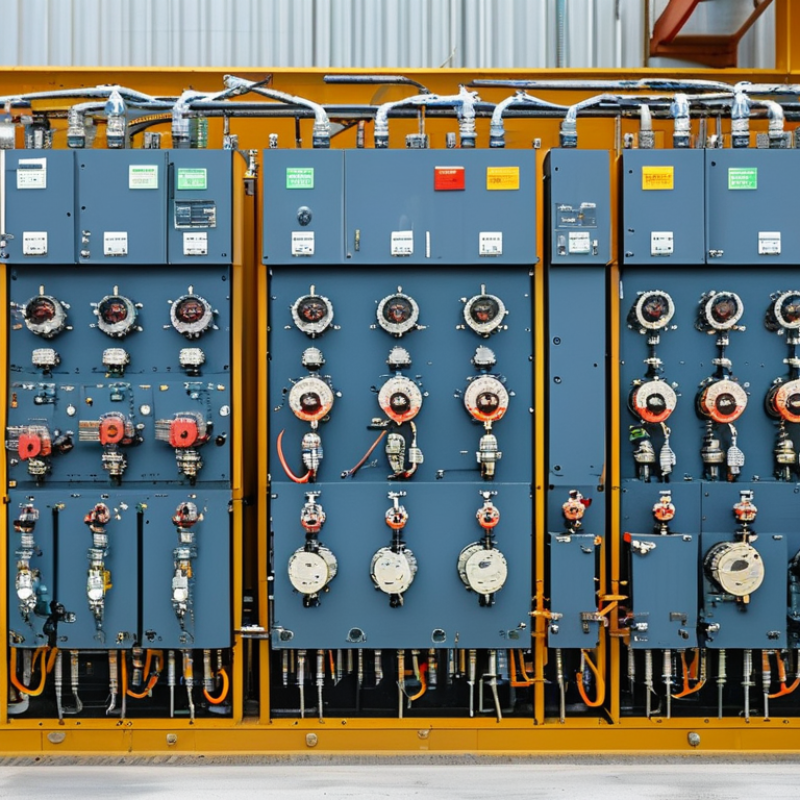
When exploring gas switchgear options, understanding key features is crucial. One vital aspect is the insulation medium. Gas-insulated switchgear (GIS) uses sulfur hexafluoride (SF6) as an insulator. This offers a compact design with superior reliability. However, SF6 is a greenhouse gas. It's essential to consider the environmental impact when making a choice.
Another critical feature is maintenance requirements. Some switchgear demands regular, complex maintenance. Others can operate for years with minimal intervention. Look for options that provide clear maintenance guidelines. Reducing downtime can significantly enhance system efficiency.
Also, consider scalability. As energy demands change, your gas switchgear must adapt. Modular designs allow for easy upgrades without significant overhauls. This flexibility is often overlooked but can save costs in the long run. Evaluate these factors carefully to make an informed decision.
When evaluating gas switchgear options, assessing their environmental impact is crucial. This means understanding their emissions and potential hazards. Gas switchgear typically uses SF6 gas, which has a high global warming potential. Even small leaks can contribute significantly to greenhouse gas emissions. It’s vital to quantify these risks during the selection process.
Another aspect to consider is the lifecycle of the switchgear. Look into how the materials used affect the environment during manufacturing and disposal. In many cases, there can be better options with lower ecological footprints. Explore alternatives to SF6 technology, such as air-insulated switchgear, which may offer a more sustainable solution.
Choosing the best gas switchgear option requires thoughtful consideration. Each choice comes with advantages and drawbacks. Ensure that the decision aligns with environmental regulations and company sustainability goals. Engaging with experts in the field can provide deeper insights. Their knowledge of innovative technologies can guide you toward the most efficient and eco-friendly options available.
When budgeting for gas switchgear solutions, understanding cost factors is crucial. The global gas switchgear market is expected to grow at a CAGR of 4.5% from 2023 to 2030, reaching around $10 billion by 2030, according to industry reports. However, various factors can influence the final cost of gas switchgear systems.
Initial investment often involves design complexity and installation requirements. Simple modular designs might have lower upfront costs. Yet, they may lack some advanced functionalities. Specialized components or high-efficiency ratings can drive costs up. Procurement choices, such as sourcing from recognized manufacturers or opting for custom solutions, can significantly impact the budget. It's wise to factor in long-term operational costs too. According to recent studies, energy savings can offset initial expenses over time.
Moreover, maintenance and servicing costs fluctuate based on technology chosen. Investing in high-quality solutions can reduce long-term issues. A significant portion of operational downtime stems from inadequate maintenance practices. Regular evaluations of the system’s performance parameters can help identify potential pitfalls. By making informed choices, stakeholders can avoid unnecessary expenses and enhance overall reliability.
When analyzing the technical specifications of gas switchgear, focus on key features that impact performance. Voltage ratings are crucial. Ensure the switchgear operates efficiently within your application’s voltage requirements. Additionally, consider the short-circuit ratings. Higher ratings can provide better protection and reliability during faults.
Compliance standards play a vital role in selecting gas switchgear. Assess the equipment against local and international standards. For instance, adherence to IEC and ANSI norms can indicate reliability. Check for certification marks to ensure the switchgear has passed rigorous testing. It’s essential to be aware of ongoing changes in regulatory requirements.
While technical specifications and compliance are significant, suppliers may not always provide complete information. It’s vital to engage in thorough discussions with manufacturers. Ask questions about materials, design, and maintenance practices. Transparency from suppliers can reveal their commitment to quality. Reflecting on these elements ensures you make well-informed choices. Keep in mind that what looks good on paper may not always perform in real-world scenarios.
| Specification | Option A | Option B | Option C |
|---|---|---|---|
| Rated Voltage (kV) | 12 | 24 | 36 |
| Number of Phases | 3 | 1 | 3 |
| Current Rating (A) | 630 | 1250 | 1600 |
| Short Circuit Current (kA) | 16 | 25 | 31.5 |
| Insulation Type | Air Insulated | Gas Insulated | Hybrid |
| Compliance Standards | IEC 62271 | ANSI C37 | EN 62271 |
| Weight (kg) | 800 | 1200 | 1500 |
| Cooling Method | Natural Air | Forced Air | Oil Immersed |
| Operating Temperature (°C) | -10 to +40 | -25 to +50 | -30 to +60 |
| Warranty Period (years) | 5 | 3 | 7 |
When selecting gas switchgear, long-term maintenance and support are crucial. Investing in quality equipment requires a commitment to upkeep. Data from the Electric Power Research Institute (EPRI) indicates that regular maintenance can reduce equipment failure rates by up to 30%. This underscores the importance of not just the initial purchase, but also having a comprehensive maintenance plan in place.
Routine inspections and testing are vital. These tasks ensure the system operates smoothly and safely. Many utilities report that neglecting maintenance can lead to unexpected downtime, which can cost thousands of dollars. Additionally, a well-defined support strategy should include training for personnel. Properly trained staff can quickly identify and address issues before they escalate. Research shows that utilities with robust training programs experience 25% fewer incidents.
Moreover, consider the availability of spare parts and technical support. A study from the International Energy Agency (IEA) highlights that swift access to replacement parts can significantly minimize the impact of outages. Selecting a gas switchgear solution with readily available support is essential. It may prevent lengthy downtimes and maintain operational efficiency. Consideration of these factors will ultimately enhance the reliability and longevity of your switchgear system.
This chart illustrates the importance ratings (on a scale of 1 to 10) for various factors to consider when selecting the best gas switchgear options, emphasizing long-term maintenance and support aspects.
: Gas-insulated switchgear mainly uses sulfur hexafluoride (SF6) for insulation. It's compact but poses environmental concerns.
Maintenance needs vary. Some systems need frequent checks, while others can run for years with little upkeep.
Scalability allows systems to adapt to changing energy demands. Modular designs support easy upgrades without major overhauls.
Cost factors include design complexity and installation. Simple designs have lower upfront costs but may lack advanced features.
Regular maintenance can reduce failure rates by up to 30%. Neglecting it often leads to costly downtimes.
Trained personnel can quickly spot and resolve issues. Proper training can lead to 25% fewer operational incidents.
Quick access to spare parts minimizes outage impacts. It helps maintain operational efficiency and reduces downtime.
A comprehensive support strategy should include maintenance plans and personnel training to ensure smooth operations.
Investing in quality solutions may seem costly upfront but can save on long-term operational expenses and reduce issues.
Regular performance evaluations and informed choices help avoid unnecessary expenses and improve system reliability.
When selecting the best gas switchgear options, it is essential to understand their key features. This includes evaluating the environmental impact, which ensures that the chosen solution aligns with sustainability practices. Additionally, cost factors need to be considered, allowing for appropriate budgeting that reflects both initial investment and long-term financial implications.
Furthermore, crucial technical specifications and compliance standards must be analyzed to ensure safety and reliability. Long-term maintenance and support also play a vital role in the decision-making process, as they influence the durability and efficiency of the gas switchgear over time. By carefully considering these aspects, one can make an informed choice that meets operational needs and regulatory requirements.

Mingri Electric