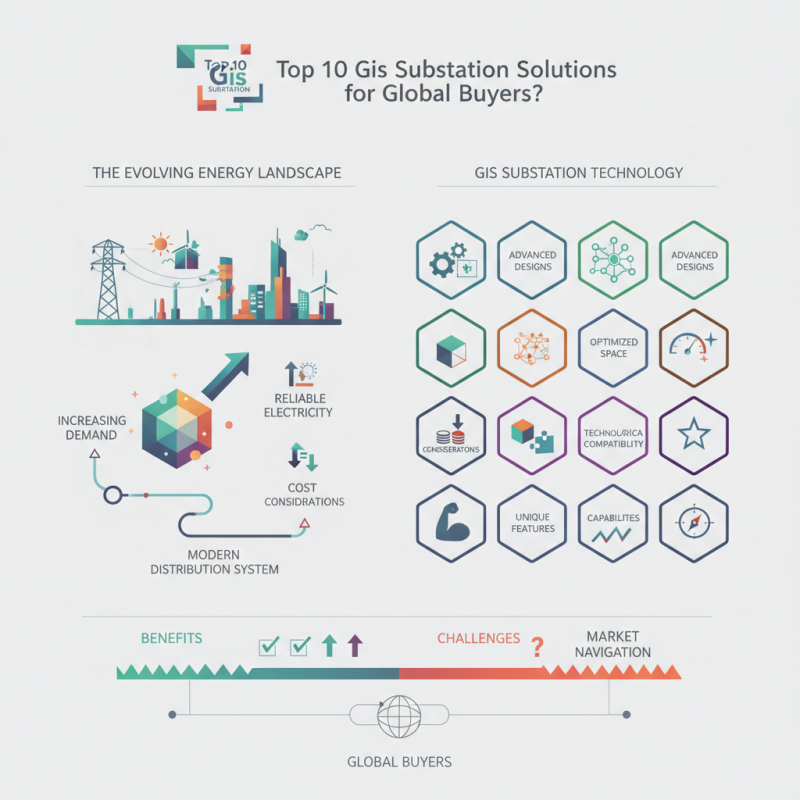
In the rapidly evolving energy landscape, GIS substation solutions play a pivotal role. These solutions are essential for modern power distribution systems. With the increasing demand for reliable electricity, the need for efficient infrastructure becomes more pressing.
GIS substation technology offers compact and advanced designs. This allows utilities to optimize space and improve performance. However, not all solutions fit every situation. Buyers must consider various factors, including cost, scalability, and technological compatibility, while making choices.
As we delve into the top ten GIS substation solutions, we aim to provide an insightful overview. Each solution is evaluated based on its unique features and capabilities. Understanding these alternatives is crucial for global buyers. We acknowledge that while GIS substation technology has many benefits, challenges also exist. This exploration seeks to inform and guide you in navigating the complex market of GIS solutions.
GIS substation solutions are pivotal for modern power distribution. They offer numerous advantages over traditional substations. Compact design is a standout feature, reducing land requirements significantly. This is crucial in urban areas where space is limited. The prefabricated structure allows for quicker installation, streamlining project timelines.
Another key aspect is enhanced safety. Gas-insulated switchgear minimizes exposure to environmental hazards. This feature reduces maintenance needs, leading to lower operational costs. Additionally, GIS technology improves reliability, ensuring consistent power supply. Many users appreciate the reduction in outage times when using these solutions.
Yet, reflections on GIS implementation reveal challenges. High initial investment costs can deter potential buyers. The complexity of installation and maintenance may require specialized personnel. Evaluating local infrastructure compatibility is essential. Potential weaknesses might arise from external factors, such as extreme weather conditions. Balancing these pros and cons is vital for informed decision-making.
The global market for Gas Insulated Switchgear (GIS) substation technology is poised for significant growth. According to a report by MarketsandMarkets, the GIS market is projected to reach over $40 billion by 2025. This growth is driven by the need for reliable and efficient electrical infrastructure. The technology's compact design is ideal for urban areas where space is limited. Additionally, GIS reduces maintenance needs and enhances safety in substation operations.
Top companies in the GIS sector are focusing on innovative solutions. They are investing heavily in research and development. This commitment ensures that advancements in GIS technology meet increasing energy demands. Recent developments include enhanced insulation materials and automation features, which improve performance and reliability. Experts suggest that the transition to renewable energy sources also drives GIS adoption. The technology's scalability and effectiveness make it suitable for integrating various power sources.
Tips: When evaluating GIS solutions, consider factors such as energy efficiency and long-term reliability. Look for manufacturers with a proven track record in the industry. Also, assess their commitment to sustainability. If a provider embraces eco-friendly practices, it often translates to better product performance over time. Keep in mind that while GIS offers many advantages, challenges like initial costs and installation complexity may arise.
The comparative analysis of GIS substation costs reveals significant variations across different solutions. Factors influencing these costs include the technology used, installation complexity, and maintenance requirements. Additionally, location can affect pricing due to local regulations and labor availability. Buyers should also consider long-term operational costs, as upfront prices may not reflect total expenses over the lifespan of the substation.
One important aspect is the initial investment. Some solutions may offer lower upfront costs but lead to higher maintenance expenses later. This raises questions about the true cost-effectiveness of each option. It's crucial for buyers to balance initial savings against expected operational expenses.
Moreover, the efficiency of GIS substations can vary. While some designs showcase enhanced energy efficiency, others might not deliver the anticipated returns. This inconsistency in performance underscores the need for thorough research before making a decision. Buyers must critically assess the longevity and reliability of these systems to ensure they meet their specific needs.
The global market for Gas Insulated Switchgear (GIS) substations is evolving rapidly. One significant trend is the increasing demand for energy-efficient solutions. This is driven by the need to reduce carbon footprints and enhance the sustainability of power systems. As power grids become more complex, GIS technology offers reliability and compactness, crucial for urban areas.
Another vital aspect is the rise of renewable energy integration. Solar and wind energy sources are changing how substations operate. They require flexibility and adaptability, characteristics inherent in modern GIS solutions. However, adopting these technologies is not without challenges. Costs and the need for skilled professionals to manage and maintain such systems can be barriers to implementation.
The expansion of smart grid technologies is also impacting GIS purchases. Smart grids facilitate real-time monitoring and management of energy distribution. This technology demands efficient infrastructure, pushing buyers to consider GIS solutions that can seamlessly integrate with new digital frameworks. As buyers navigate these trends, understanding their specific needs is key. Each decision requires careful consideration of both current demands and future requirements.
The landscape of GIS substation solutions is rapidly evolving. As the demand for renewable energy grows, modernization is key. New technologies are emerging to enhance efficiency and reliability in power distribution. According to a recent report by Research and Markets, the GIS market is projected to grow by over 10% annually until 2028. This growth highlights the need for innovative solutions in energy management.
Future developments aim to integrate smart technologies into GIS substations. These advancements include real-time data analytics and IoT connectivity. Such features allow for improved monitoring and control of power systems. However, challenges remain. Many infrastructures require substantial upgrades, which can be cost-prohibitive. The balance between innovation and practicality is essential.
Tips: Consider investing in phased upgrades. This approach can spread costs over time. Additionally, training personnel on new technologies is crucial. It ensures that teams are ready for the changes, leading to smoother transitions. Future-proofing GIS substations will depend on effective planning and execution. Staying informed will be vital as the industry moves forward.
: GIS substations are compact, which reduces land use. They also have quicker installation times.
Gas-insulated switchgear reduces exposure to environmental hazards. This minimizes maintenance needs and lowers costs.
GIS ensures a consistent power supply. Users often notice fewer outages.
High initial costs can be a barrier. Installation complexity may require skilled personnel.
There's a growing demand for energy-efficient solutions. Sustainability drives this trend.
Renewable sources like solar and wind need adaptable systems. GIS offers the flexibility required.
Smart grids support real-time energy management. This necessitates compatible GIS infrastructure.
Evaluating compatibility ensures the systems function effectively together. Ignoring this may lead to issues.
Some believe GIS is too costly for most projects. The long-term savings can outweigh initial investments.
Buyers should assess their specific needs. Future requirements and current demands must align for success.
The article "Top 10 GIS Substation Solutions for Global Buyers" provides a comprehensive overview of GIS (Gas Insulated Switchgear) substation solutions, emphasizing their key features and advantages. The discussion highlights the leading global manufacturers in this technology sector, offering insights into the innovative solutions they provide. Additionally, the comparative analysis of GIS substation costs enables buyers to make informed decisions by understanding the financial implications of various options.
Moreover, the article explores market trends that are shaping the purchasing landscape for GIS substations, revealing how factors such as technological advancements and regulatory changes are influencing demand. Looking forward, the piece also delves into future developments in GIS substation solutions, underscoring the potential for enhanced efficiency and sustainability in electrical infrastructure. Overall, this summary serves as a valuable resource for global buyers seeking to optimize their investment in GIS substation technology.

Mingri Electric