 Mingri Electric
1 / 3
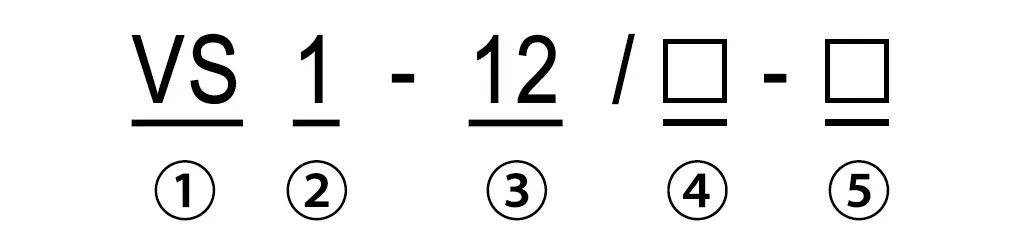
| No. | Description |
| 1 | Vacuum Circuit Breaker (VCB) |
| 2 | Design Number |
| 3 | Rated Voltage (kV) |
| 4 | Rated Current (A) |
| 5 | Rated Short-circuit Breaking Current (kA) |
| No. | Item | Unit | Value |
| 1 | Rated Voltage | kV | 24 |
| 2 | Rated Short-Time Power-Frequency Withstand Voltage (1min) | kV | 65/79 (Phase-to-Phase, Phase-to-Earth / Across Isolating Distance) |
| 3 | Rated Lightning Impulse Withstand Voltage (Peak) | kV | 125/145 (Phase-to-Phase, Phase-to-Earth / Across Isolating Distance) |
| 4 | Rated Frequency | Hz | 50 |
| 5 | Rated Current | A | 630, 1250, 1600, 2000, 2500, 3150 |
| 6 | Rated Short-Circuit Breaking Current | kA | 20 / 25 / 31.5 / 40 |
| 7 | Rated Short-Time Withstand Voltage | kV | 20 / 25 / 35.5 / 40 |
| 8 | Rated Short-Circuit Duration | S | 4 |
| 9 | Rated Peak Withstand Current | kA | 50 / 63 / 80 / 100 |
| 10 | Rated Short-Circuit Making Current | kA | 50 / 63 / 80 / 100 |
| 11 | Auxiliary Circuit Power-Frequency Withstand Voltage (1min) | V | 2000 |
| 14 | Mechanical Life | time | 20000 |
| 19 | Contact Gap | mm | 16±1 |
| 20 | Over-Travel | mm | 3.5±0.5 |
| 26 | Rated Operating Sequence | - | O-0.3s-CO-180s-CO |
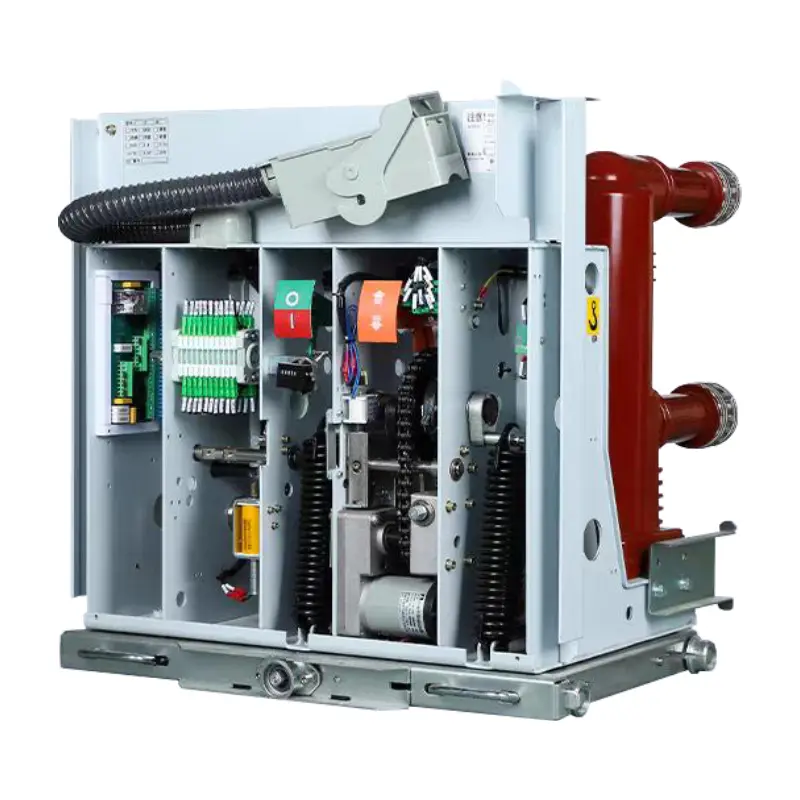
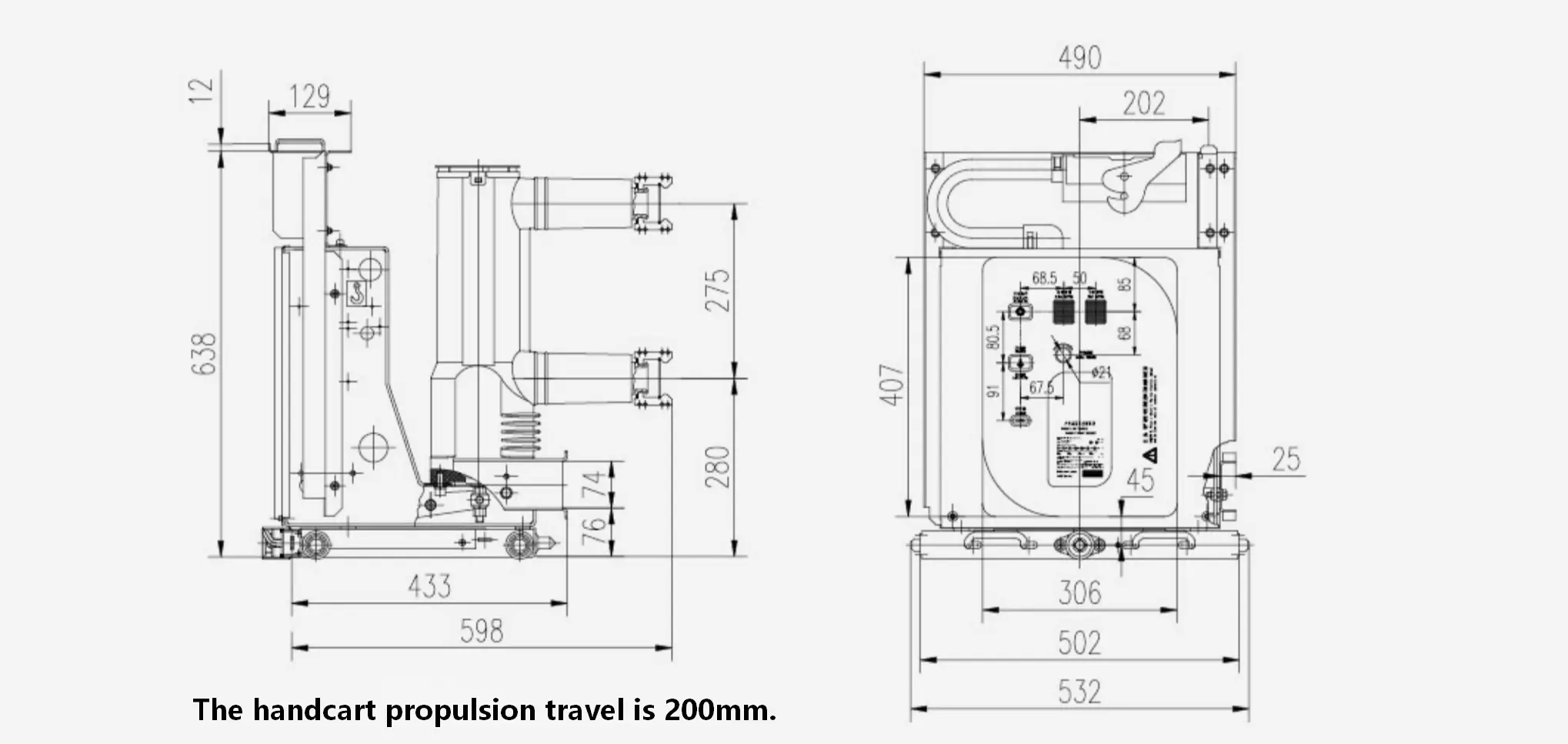
1. Drawing for VS1-12 withdrawable Type (Phase Distance 150mm)
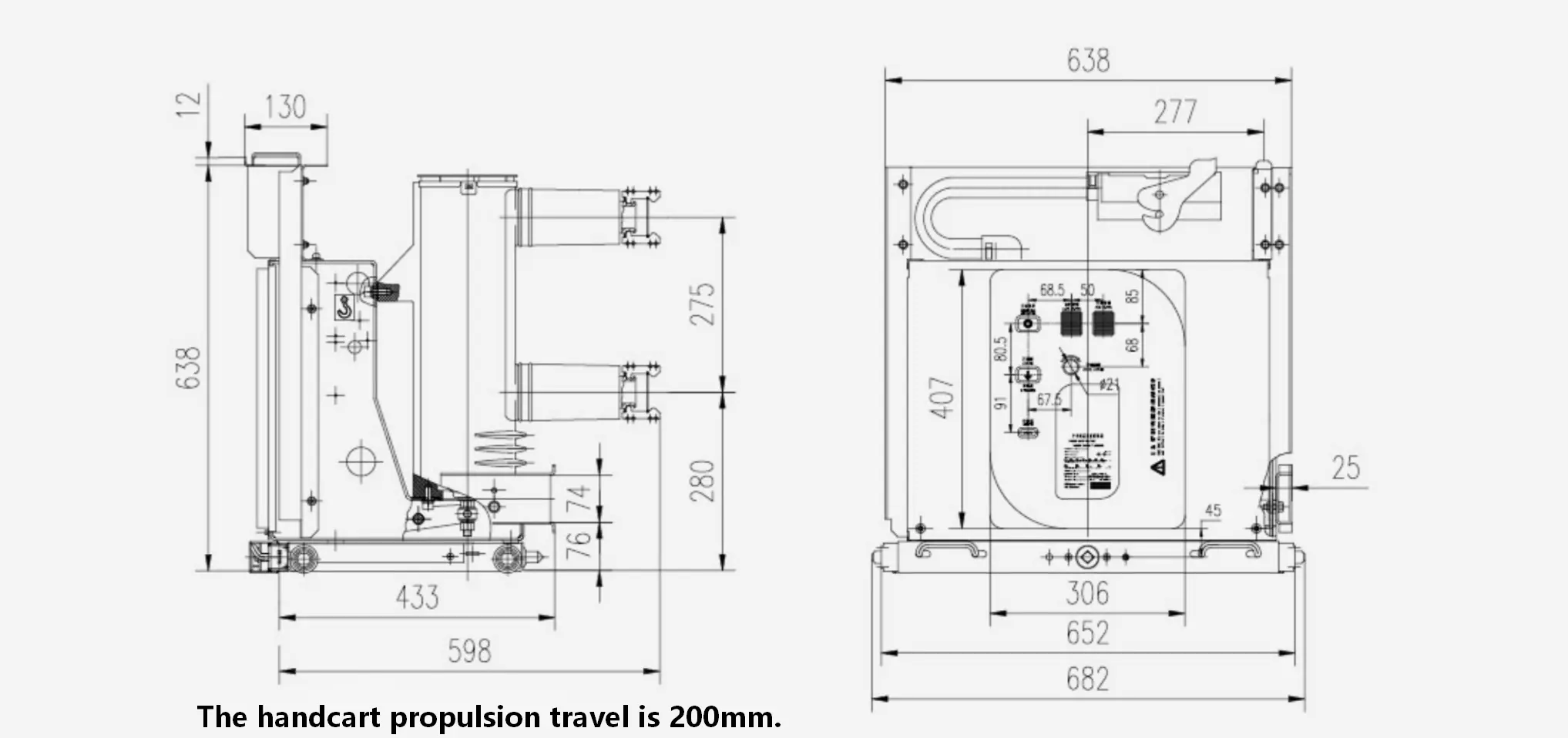
2. Drawing for VS1-12 withdrawable Type (Phase Distance 210mm)
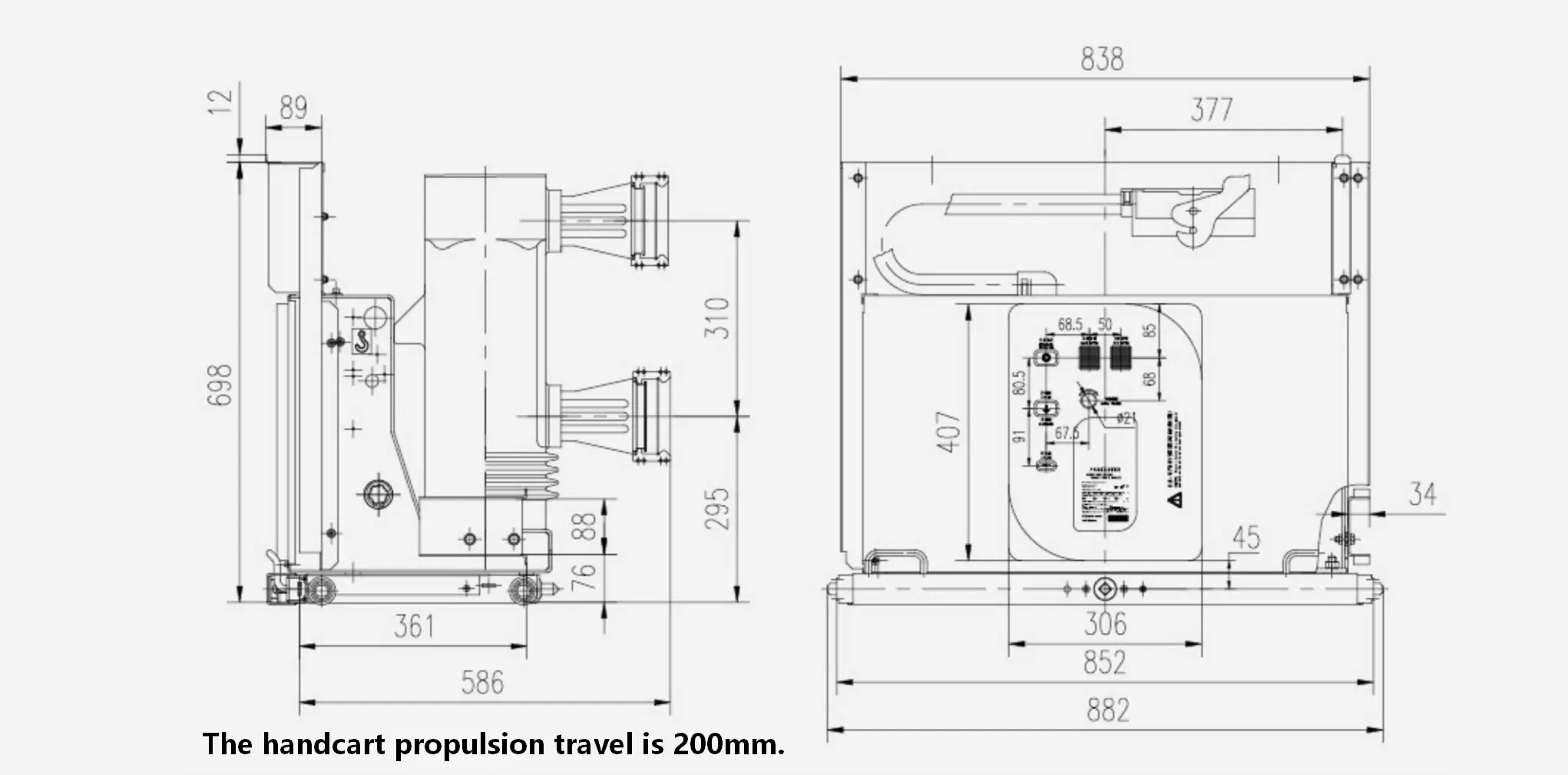
3. Drawing for VS1-12 withdrawable Type (Phase Distance 275mm)
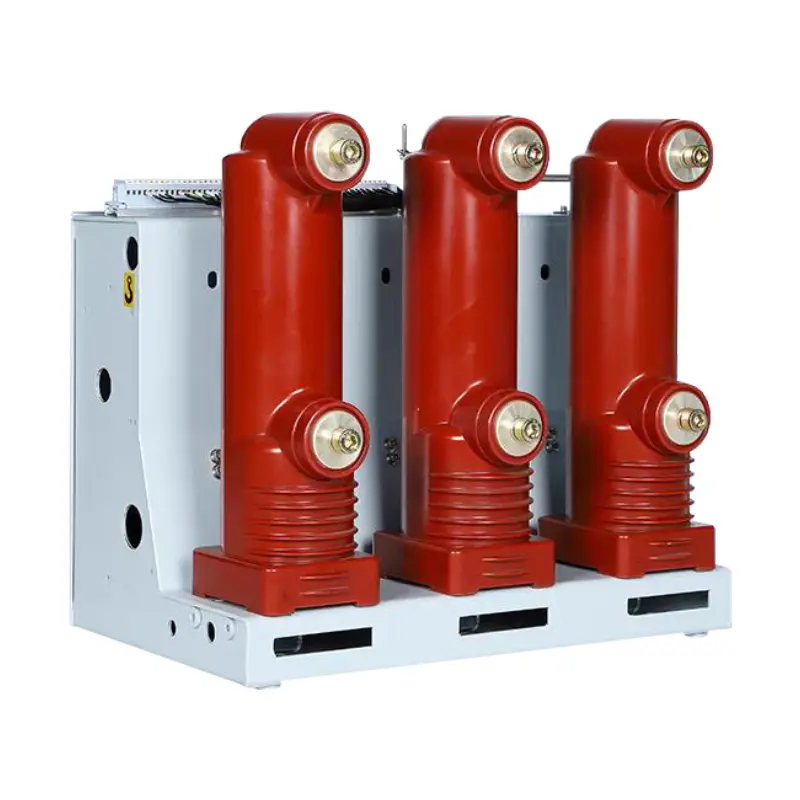
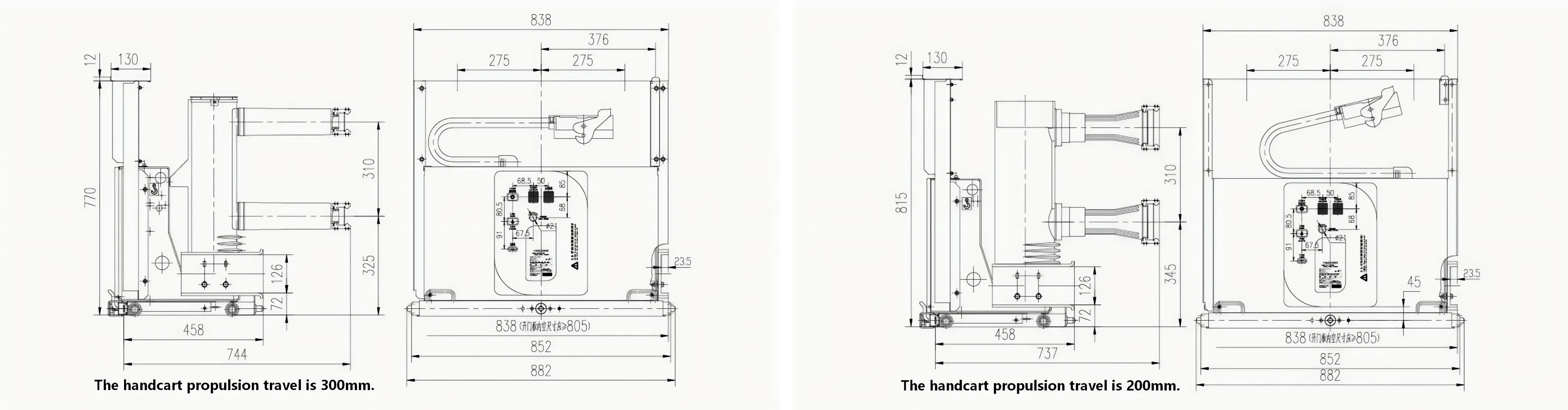
4. Drawing for ZN63A(VS1)-24 Fixed Type Circuit Breaker
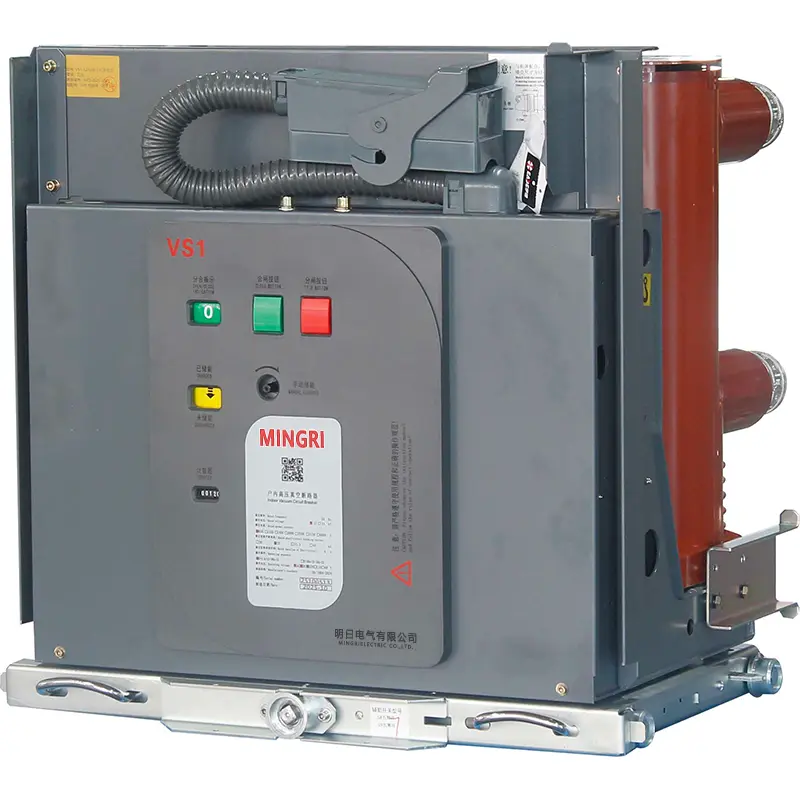
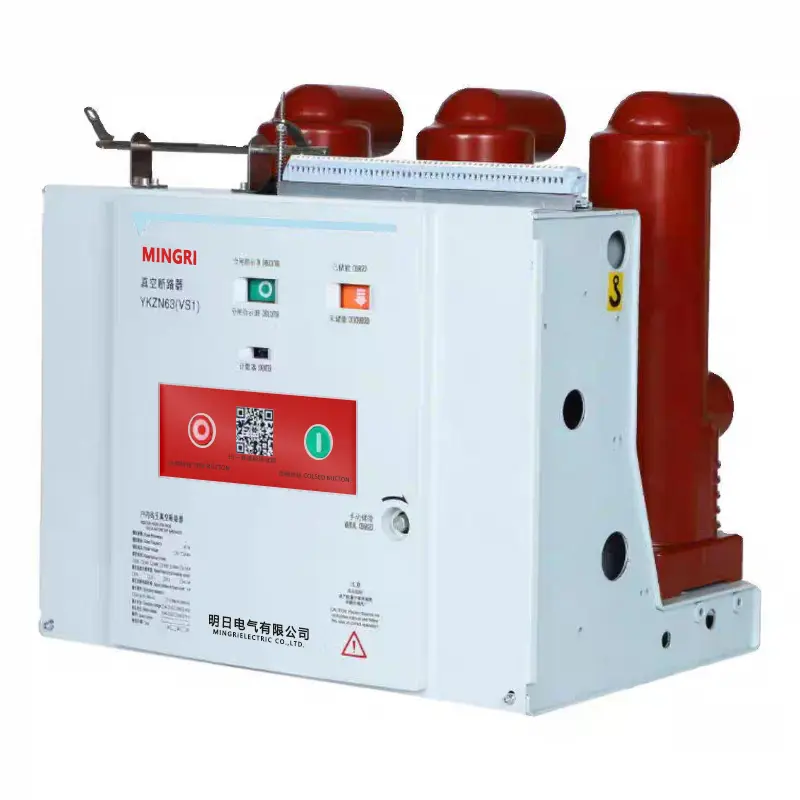
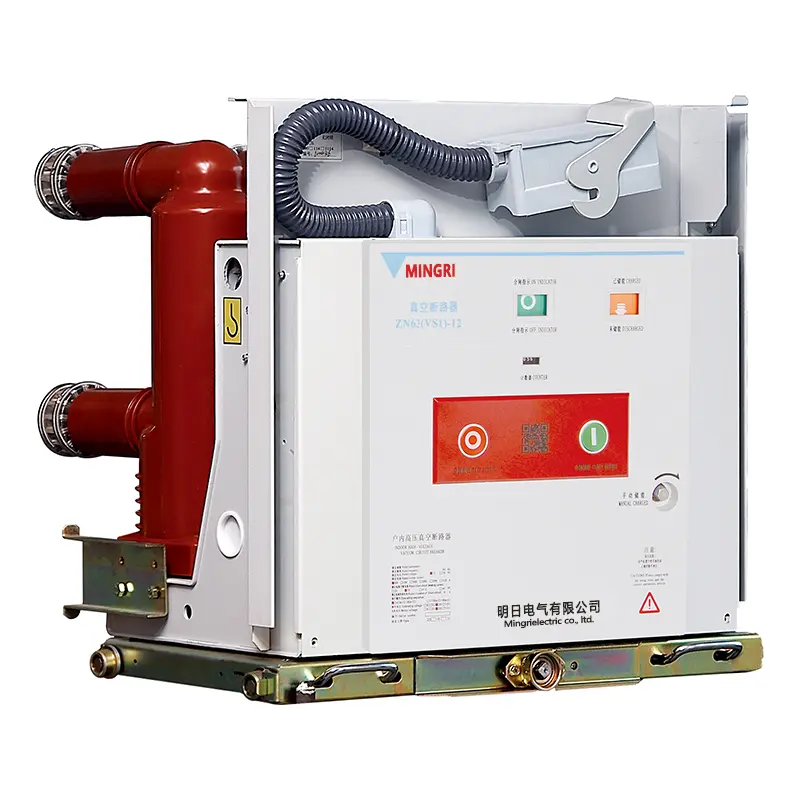
The ZN63A(VS1)-12/24 series circuit breaker utilizes a vacuum interrupter with a high degree of vacuum. During normal opening or short-circuit interruption, the moving contact is driven by the operating mechanism, causing it to separate from the fixed contact and generate an arc between them. Due to the special design of the moving and fixed contacts, an axial magnetic field is generated between them. This field controls the arc, causing it to burn uniformly and move across the contact surface while maintaining a low arc voltage. When the arc current naturally passes through zero, the remaining ions, electrons, and metal vapor, under the influence of the electromagnetic field, quickly recombine or condense on the contact surfaces and the shield. The dielectric strength across the interrupter gap is rapidly restored, thereby extinguishing the arc and achieving the purpose of interruption.