Deploying robust, smart, and safe switchgear systems, protective relays, and high-performance circuit breakers engineered to satisfy critical global power reliability standards.
At Mingri Electric Co.,Ltd., our foundational journey initiated with a simple, unequivocal, and profound vision articulated by our esteemed founder, Mr. Fu: "To safeguard every circuit." This unwavering, lifelong commitment to supreme electrical safety, physical resilience, and continuous grid reliability has consistently driven our R&D engineering units to completely rethink and redesign how low- and high-voltage power distribution infrastructures should be structured—from the physical core metallurgies to complex cloud-native electrical intelligence.
In modern industrial systems, power distribution is no longer a passive hardware layer; rather, it is the dynamic operating nervous system of modern industrial complexes, hyperscale data centers, and gigawatt-scale wind or solar arrays. We believe that standard off-the-shelf options no longer satisfy the complex, variable operational loads of the 21st century. Through premium, customizable ODM and OEM services, we transition electrical setups from high-tension hazard vectors into resilient, reliable power architectures that deliver tangible commercial value and operational stability.
Unpacking the massive, industry-wide macro-transition from alternating current (AC) to solid-state direct current (DC) architectures for next-generation industrial paradigms.
The global race to improve efficiency in solar PV systems, heavy battery energy storage systems (BESS), and rapid EV charging networks is making Direct Current (DC) distribution the new benchmark. Moving away from AC-DC conversion stages eliminates up to 15% of heat generation and system conversion losses.
Modern cloud computing and high-density AI servers run on DC power. Leading technology enterprises are shifting internal data center microgrids toward native medium-voltage DC setups, requiring custom solid-state breakers, compact arc cabinets, and optimized busbars.
DC circuits do not have natural zero-crossing points like AC circuits, making them harder to interrupt. Suppressing sustained high-voltage DC arcs requires intelligent contact geometry, heavy-duty suppression chambers, and fast-acting magnetic actuators.
International B2B procurement professionals require high levels of structural adaptability, verified bankability, and strict compliance. Standard products cannot easily adapt to changing regional utility protocols or specialized industrial applications.
Global developers need specialized, application-engineered options. This includes customized physical layouts, custom-drilled cable entry points, specialized paint coatings for highly corrosive marine environments, and digital control integration compatible with existing SCADA systems.
Major utility programs require complete type-testing certifications. Products must maintain verified compliance with standards such as IEC 61439, IEC 62271, CE, and UL. Our hardware undergo thorough ASTA, KEMA, or TÜV validation protocols to ensure safety and system reliability under load.
B2B capital expenditure planning focus on the total cost of ownership over a 25+ year lifespan. Procuring hardware designed for quick parts replacement, high structural resilience, and low maintenance translates to reduced operational overhead over time.
Product reliability is determined by the quality of the underlying materials. At Mingri Electric, we do not simply assemble standardized cabinets using third-party materials. We coordinate closely with specialized metallurgical stampers and precision extrusion specialists to engineer custom molds and high-performance internal components.
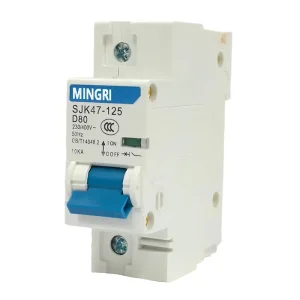
By producing our own breakers and control devices, we ensure flawless interoperability between raw electrical switchgear mechanisms and external protective components. This vertical, closed-loop control guarantees high structural integrity, consistent thermal performance, and excellent arc-extinction capabilities.
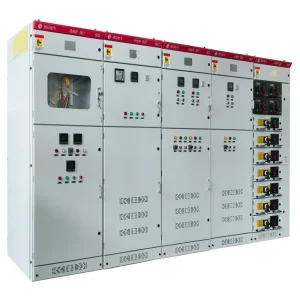
Our modular switchgear and components enable rapid configuration with compact designs and low maintenance. Engineered for flexibility, they deliver seamless integration and cost-efficient performance in any application.

Integrating safe and efficient electrical setups across a wide range of global industrial settings, utility networks, and infrastructure projects.

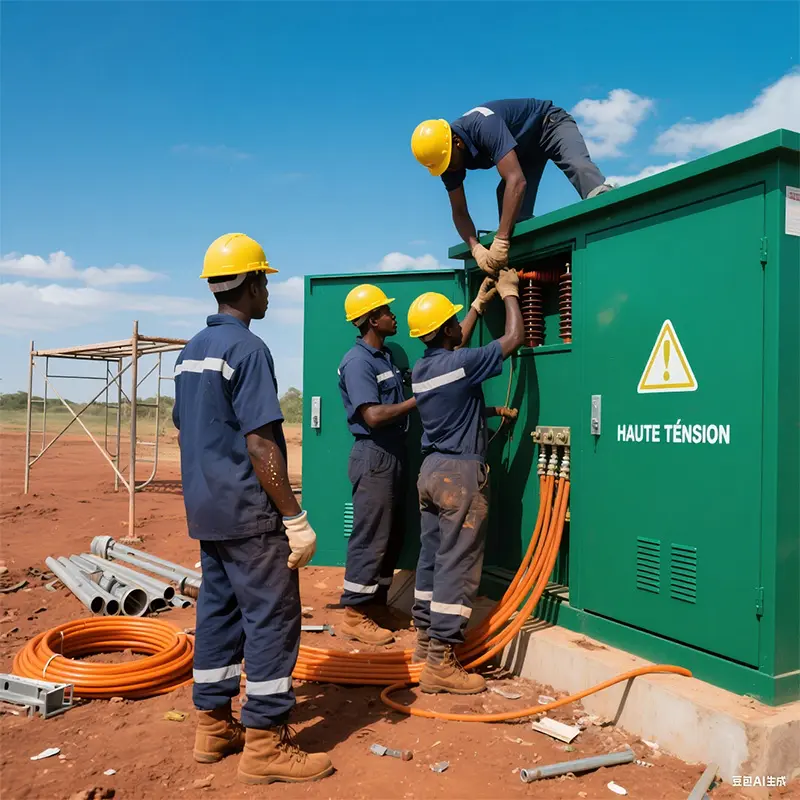

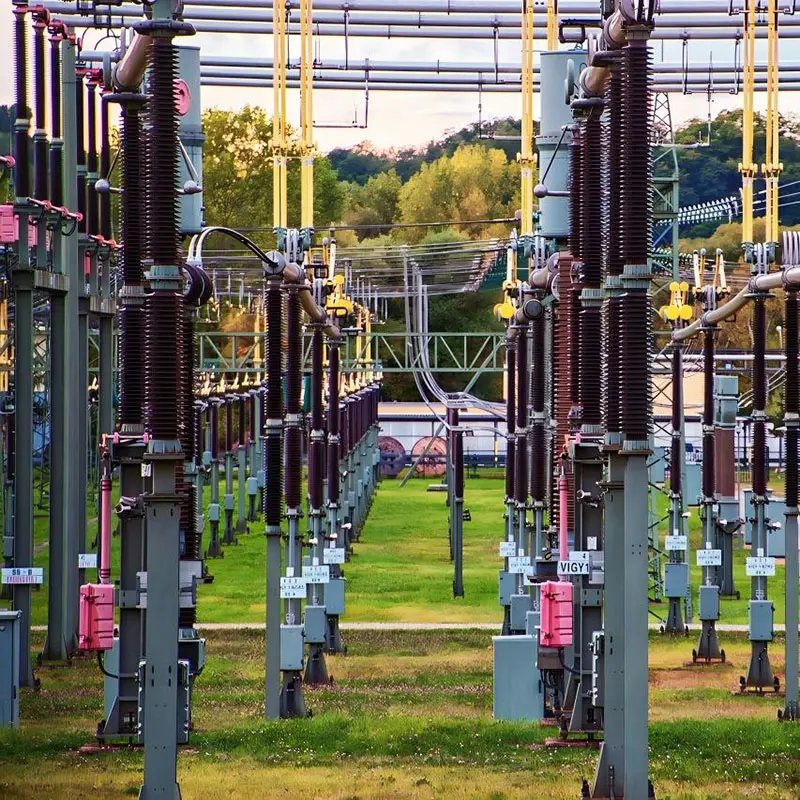
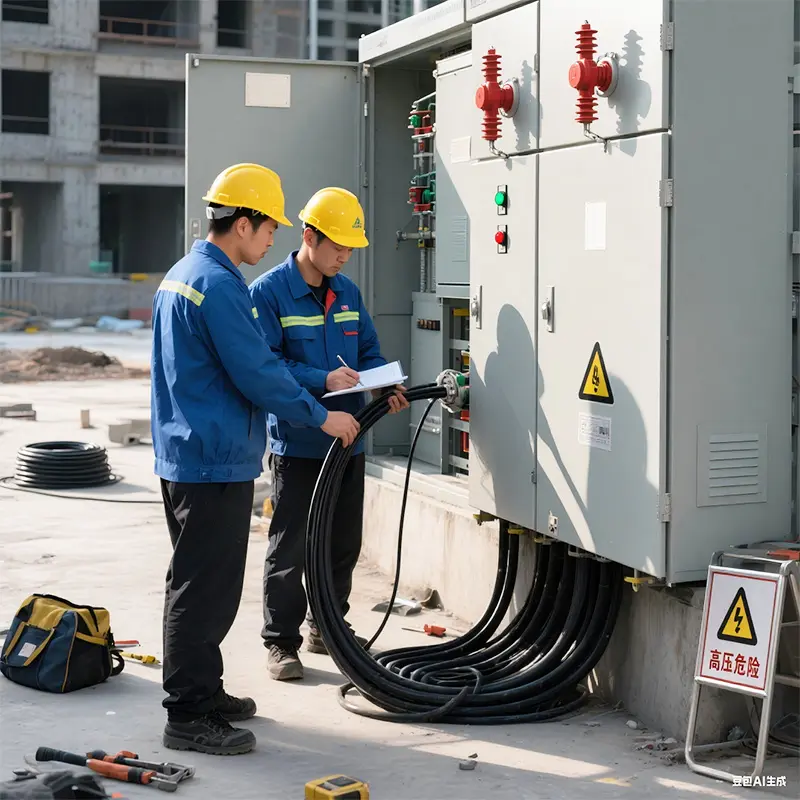
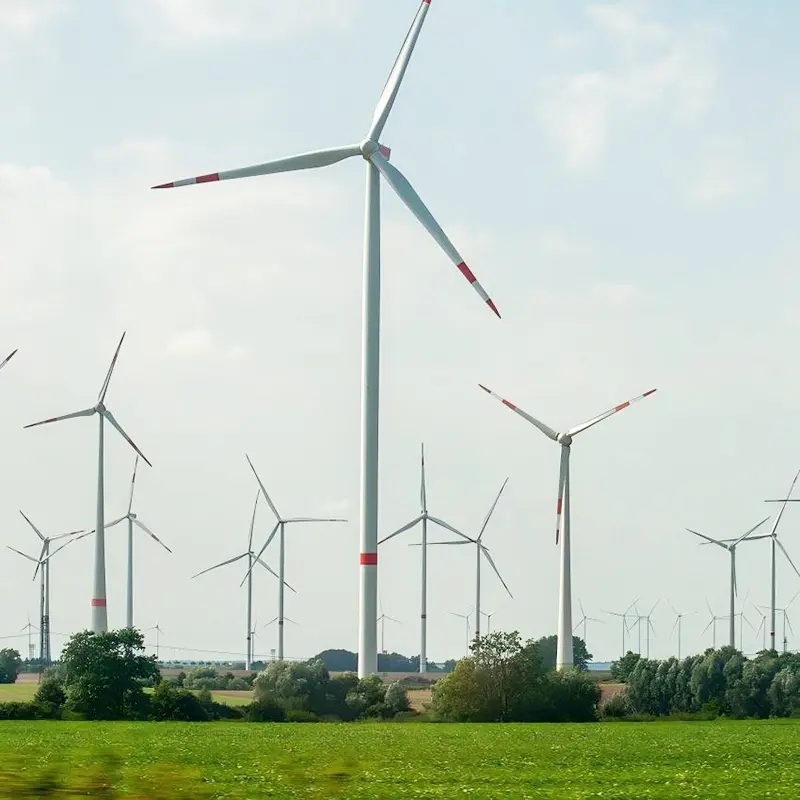
We provide engineered value through a focus on component durability, modular system layouts, and robust safety margins.
By managing our manufacturing processes in-house—from custom tooling design to final electrical insulation tests—we eliminate critical vulnerabilities and guarantee consistent product quality.
Our breakers and protective relays are built with high insulation indexes and robust contact layouts, ensuring clean circuit isolation during extreme overload and fault conditions.
We incorporate smart electronic trip units and IoT-enabled energy sensors, providing real-time data to operations teams for preventive and predictive maintenance strategies.
We are actively working to reduce environmental impact by transitioning our product lines to eco-friendly gas alternatives, high-recycle metals, and modular designs that extend the physical lifetime of the equipment.
Our modular withdrawable designs enable rapid component replacements without requiring complete power shutdowns, minimizing costly operational downtime.
We provide comprehensive lifecycle support, offering engineering assistance from the initial blueprint layout phase through to remote video commissioning and active field support.
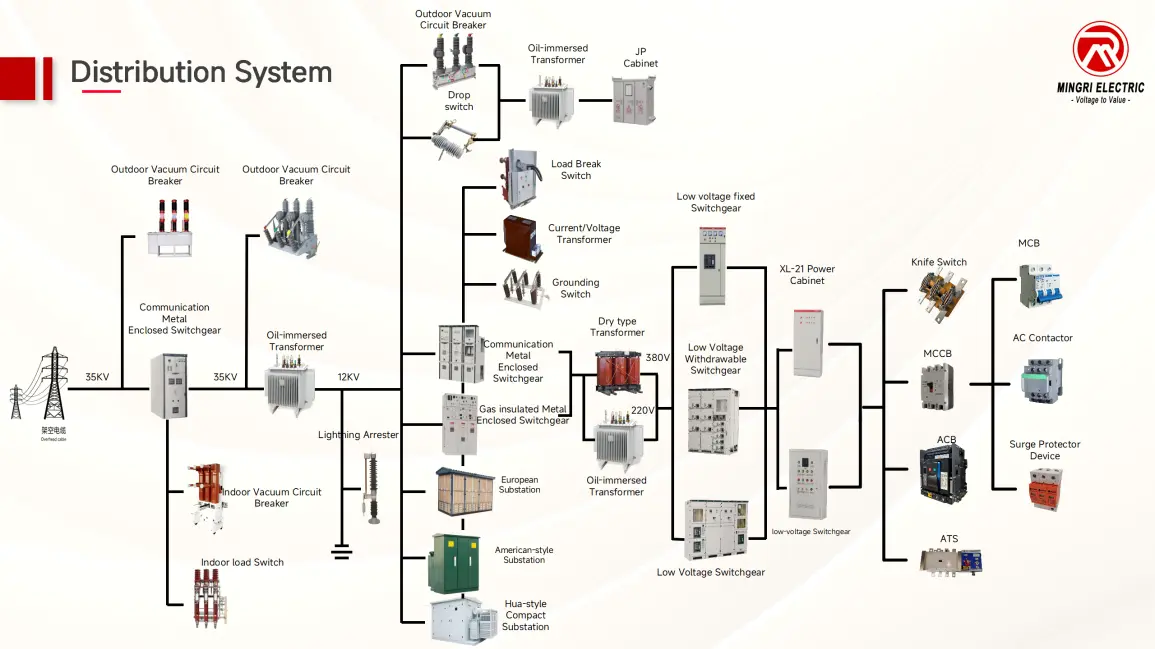
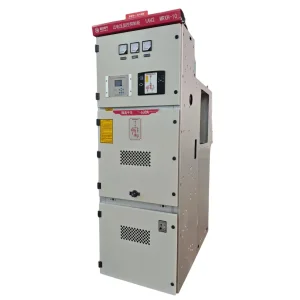
Modern electrical infrastructure must evolve to meet both efficiency demands and environmental standards. Standard SF6 (Sulfur Hexafluoride) insulation gases are being phased out globally due to their high greenhouse potential. Our advanced research teams are developing eco-friendly medium-voltage switchgears that utilize dry air and alternative gas mixtures, significantly reducing emissions while maintaining superior dielectric strength.
Additionally, we are expanding our smart grid capabilities by embedding microprocessors directly into our low-voltage molded-case circuit breakers (MCCB). These smart breakers capture voltage anomalies and harmonic distortions, reporting data to central SCADA systems to protect critical equipment before failures occur.
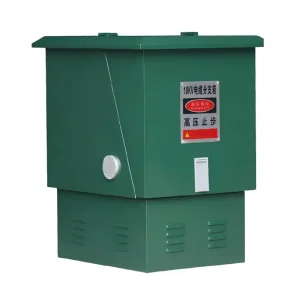
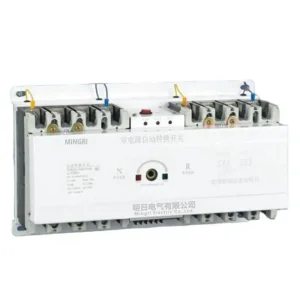
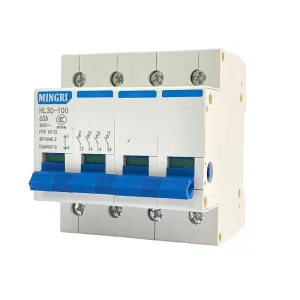
Discover our additional product lines, including reliable control transformers, intelligent dual-power switches, and robust compact substations built for demanding B2B deployments.
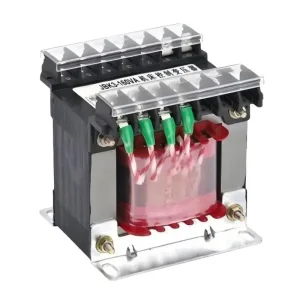
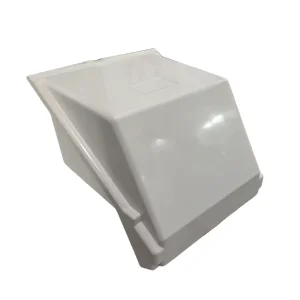
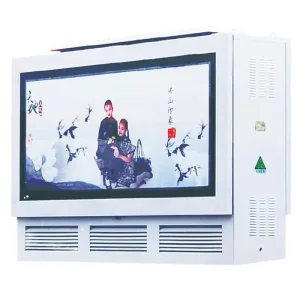
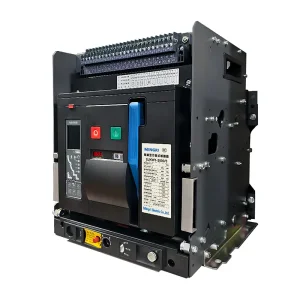
We undergo rigorous international third-party validation processes to ensure all products comply with globally recognized safety and utility standards.
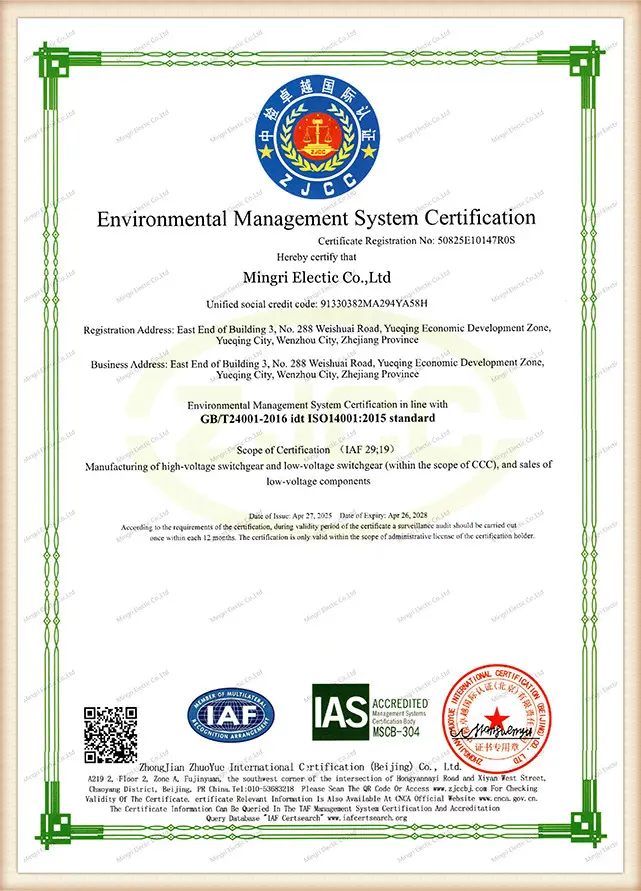
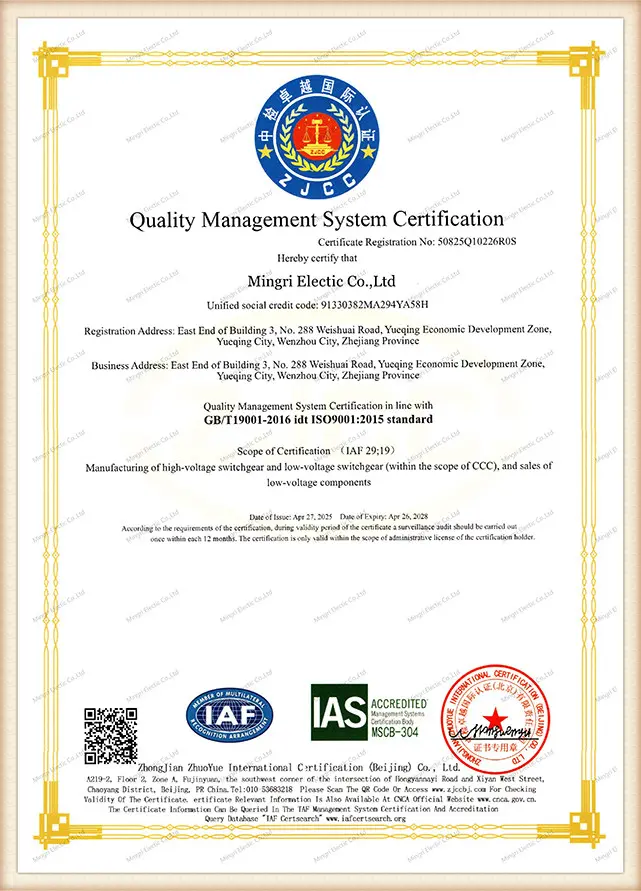
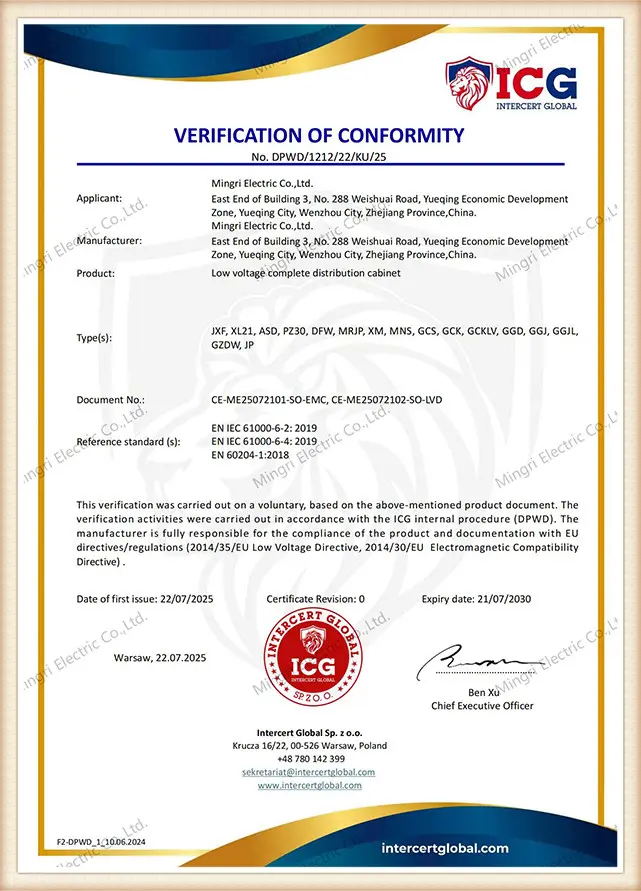
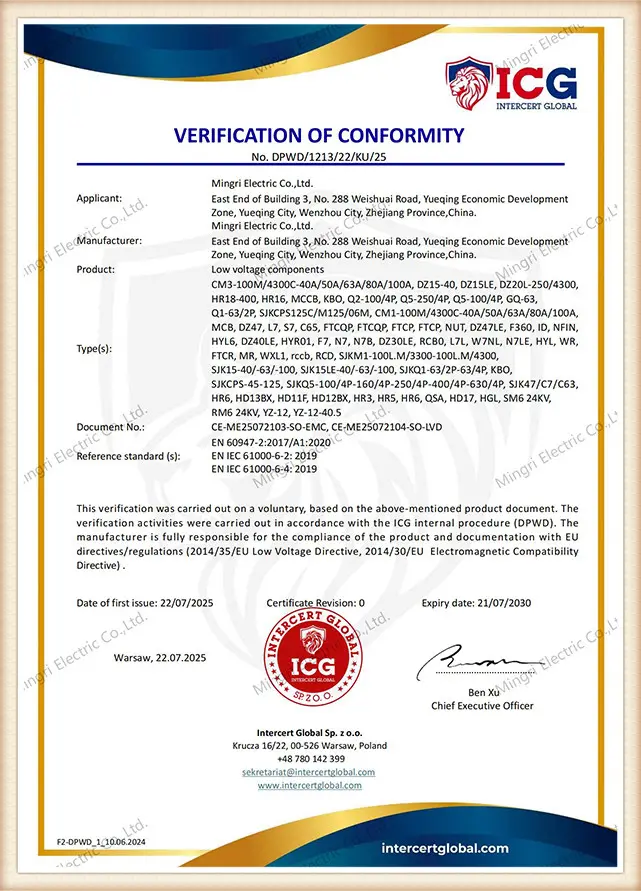
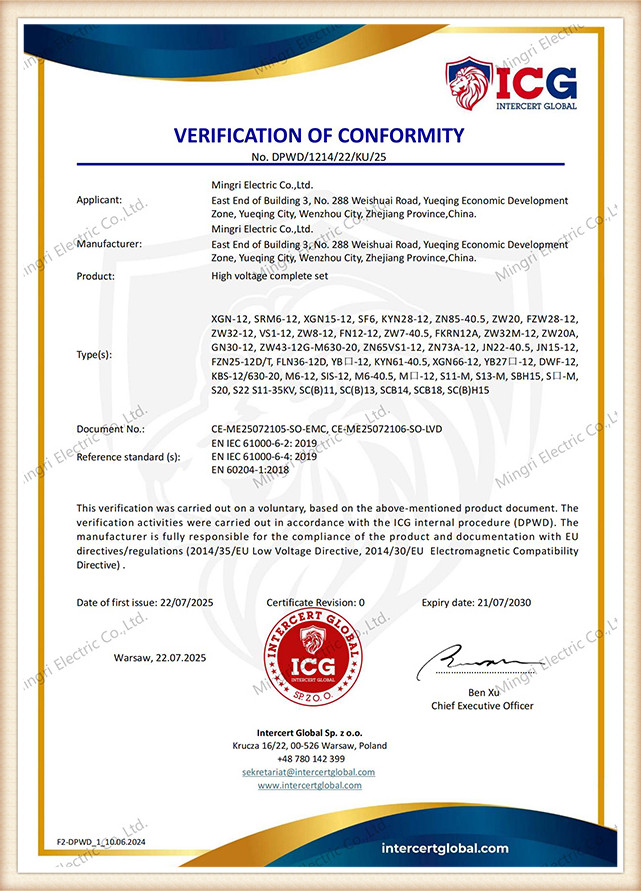
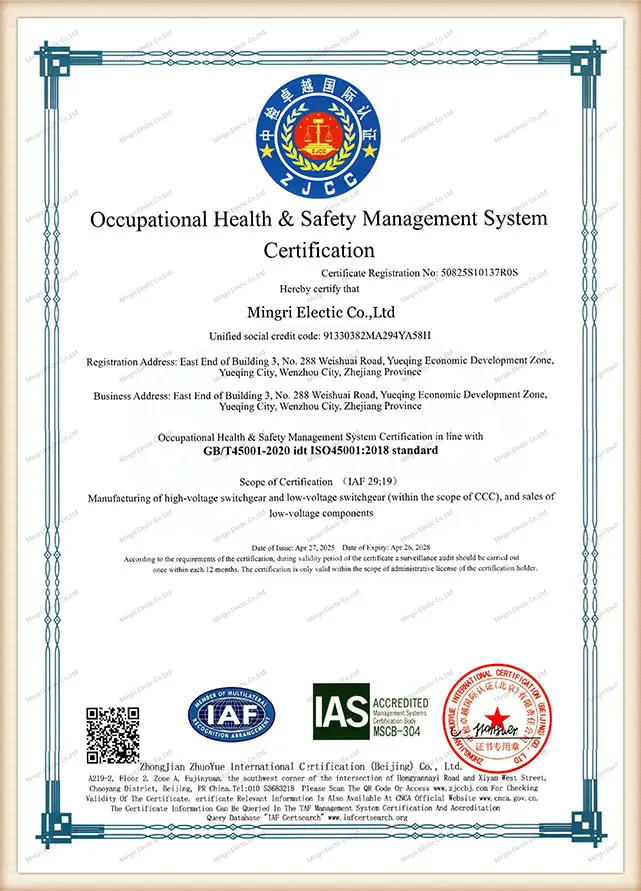
Addressing key technical, compliance, and custom design questions for global procurement managers and power systems engineers.
Unlike alternating current (AC) systems, direct current (DC) does not have a natural zero-crossing point during a waveform cycle. Consequently, when a fault occur, the arc formed between breaker contacts remains sustained and intense. DC switchgear design requires deep, specialized arc-extinction chambers, optimized magnetic blowout structures, and specialized contact metallurgies to extinguish faults safely and prevent equipment damage.
Yes. As an established ODM supplier, we customize our GCS, KYN28, and SafeRing series to fit specific structural limits, specialized cable entry setups, and custom environmental needs (such as high altitudes or corrosive marine areas). Our engineers provide complete CAD design support and integration help prior to manufacture.
By producing our own circuit breakers, transformers, and distribution parts in-house rather than using third-party components, we maintain strict quality control. This vertical control ensures consistent mechanical tolerances, reliable electrical contact surfaces, and predictable thermal performance, preventing failures caused by incompatible parts.
Our complete power distribution lineup is manufactured in accordance with strict international standards, including IEC 61439, IEC 62271, and relevant CE benchmarks. We maintain detailed test records from recognized labs (such as ASTA or KEMA) to ensure compliance with the quality requirements of global B2B procurement programs.
We provide comprehensive digital and remote support, including step-by-step installation videos, technical documentation, and 24/7 remote engineering assistance. For complex projects and critical infrastructure setups, we can deploy authorized regional technical support teams to assist with commissioning and onsite testing.
Lead times vary depending on system complexity and the level of customization required. Typical projects range from 4 to 8 weeks, including initial drawing approval, tooling setup, production, and final safety testing. Contact our sales department to receive a detailed schedule for your specific project needs.
 Mingri Electric