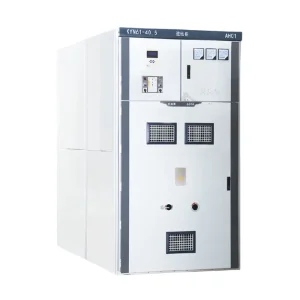
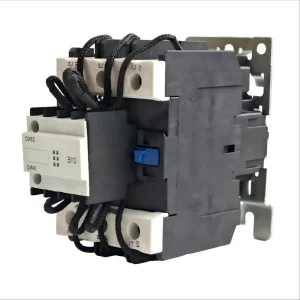
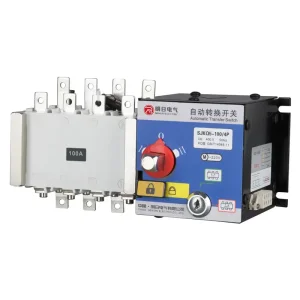
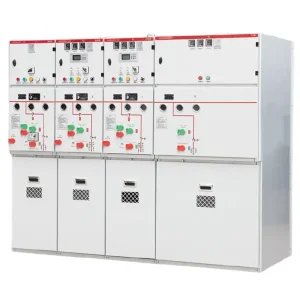
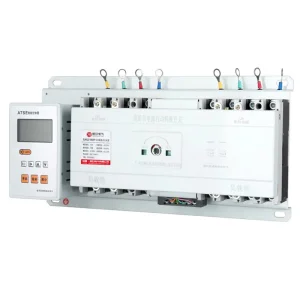
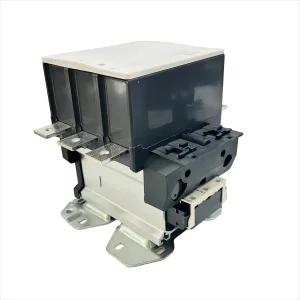
In the landscape of industrial power distribution, the 660V Industrial Contactor serves as the backbone of motor control and power switching systems. As global industries shift toward higher efficiency standards, the demand for robust, high-voltage switching equipment has surged. Unlike standard 400V devices, 660V contactors require superior arc suppression and material insulation to prevent catastrophic failure in demanding environments such as mining, petrochemical processing, and heavy manufacturing.
The modern factory is no longer just "automated"—it is "intelligent." We observe three key trends in the OEM manufacturing of contactors:
Global procurement teams are currently prioritizing Supply Chain Resilience and Compliance Transparency. When sourcing OEM 660V contactors, the focus is shifting from pure price to Total Cost of Ownership (TCO). Buyers are looking for:
Meeting regional standards (IEC, CE, CCC) is non-negotiable. Our factories provide comprehensive documentation and localized support to ensure seamless integration into international electrical codes.
Direct partnerships with factories that manage their own die-casting and stamping processes offer superior quality control and faster lead times compared to brokers.
Modular designs allow for easy replacement and upgrading, ensuring that the infrastructure remains future-proof even as energy demands fluctuate.
The future of 660V contactor technology lies in Predictive Analytics. By analyzing switching frequency and heat cycles, next-generation contactors can predict maintenance requirements, significantly reducing unplanned downtime—a major pain point for industrial operations. We are investing heavily in material science, specifically in silver-alloy contact points, to extend electrical life cycles by up to 40%.
A: 660V contactors are designed with higher insulation resistance and superior arc-extinguishing chambers, essential for industrial applications involving heavy induction motors and high-current loads.
A: We utilize a closed-loop quality control system, from raw material testing to final inspection, ensuring that every unit complies with IEC standards before shipment.
 Mingri Electric