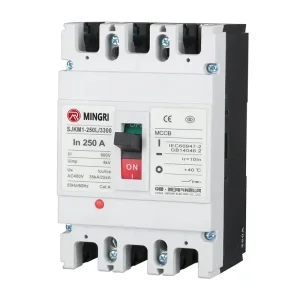
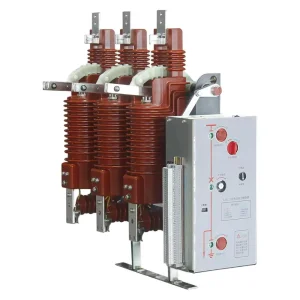
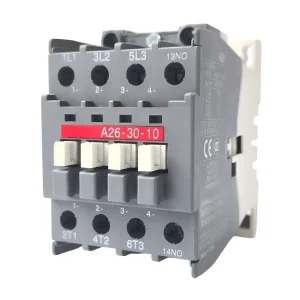
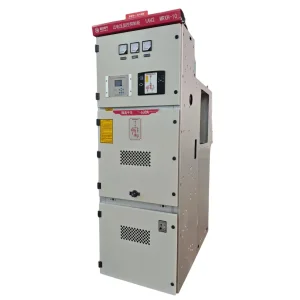
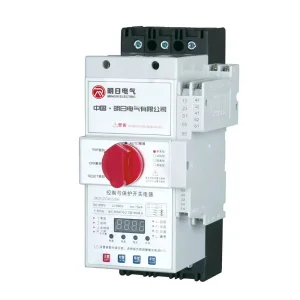
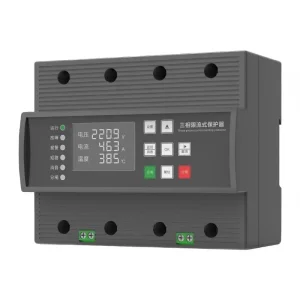
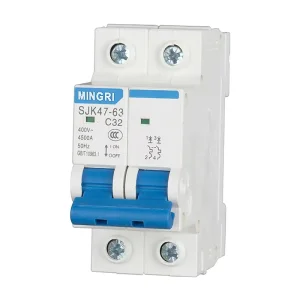
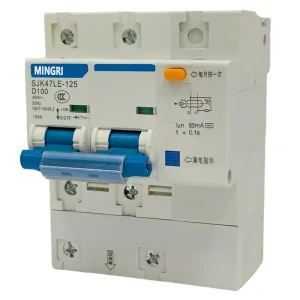
In the evolving landscape of power systems, Control Protective Switching (CPS) devices represent the nexus of safety and efficiency. Unlike traditional circuit breakers or contactors, the modern CPS integrates control, isolation, and protection into a single, modular unit, fundamentally shifting the paradigm for industrial power distribution.
China has transitioned from being a mere manufacturing hub to an epicenter of "smart manufacturing." By leveraging vertical integration—controlling everything from the stamping of raw metallic components to final firmware assembly—factories are achieving unprecedented levels of quality control. This "Closed-Loop Quality" approach ensures that every CPS unit meets stringent international standards (IEC, GB, CE).
From data centers requiring "five-nines" (99.999%) uptime to renewable energy grids demanding bidirectional power flow, the role of CPS is critical. Our engineering strategy focuses on:
For international procurement managers, navigating the compliance requirements of importing electrical equipment from China is often the biggest hurdle. Leading companies like Mingri Electric address this by maintaining rigorous E-E-A-T (Experience, Expertise, Authoritativeness, Trustworthiness) protocols. We provide full documentation, localized support, and compliance certification that bridges the gap between Chinese factory floors and global operational sites.
At Mingri Electric Co.,Ltd., our mission is clear: to transform raw power into reliable economic energy. We are not just manufacturers; we are partners in your infrastructure security.
Uninterrupted power means productivity. Our CPS units minimize downtime, protecting critical operations from grid disturbances.
Smarter distribution reduces energy waste, enabling urban infrastructures to run cleaner and more efficiently.
Behind every light switch lies our innovation—ensuring safety without compromise for the modern consumer.
A: A CPS is a multifunctional electrical device that combines the functions of a circuit breaker, contactor, starter, and isolator into a single, compact housing. It is designed to save space, reduce wiring complexity, and improve system reliability.
A: Chinese factories have adopted "Industry 4.0" standards, integrating high-level automation, precision metal fabrication, and IoT-ready product designs. This, combined with a highly mature supply chain, provides a superior price-to-performance ratio compared to traditional Western manufacturers.
A: Look for manufacturers that practice "Closed-Loop Quality Control." This includes in-house mold creation, strict adherence to international standards like IEC/ISO, and verified third-party testing certifications.
 Mingri Electric