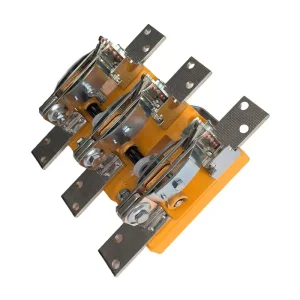
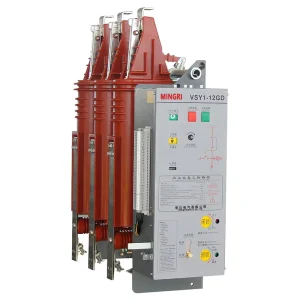
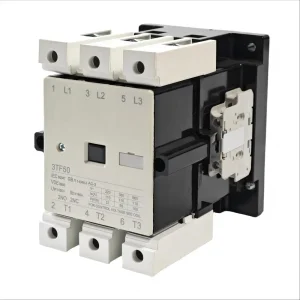
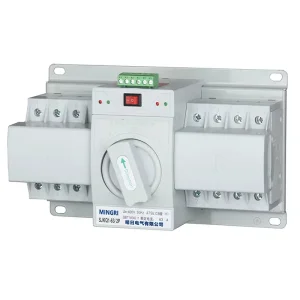
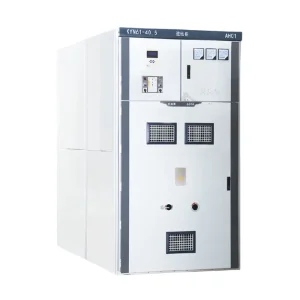
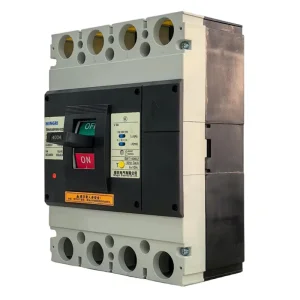
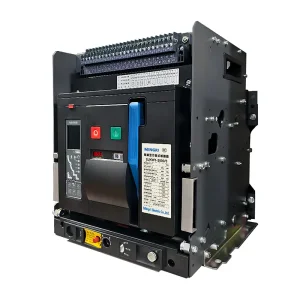
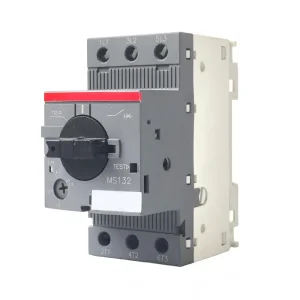
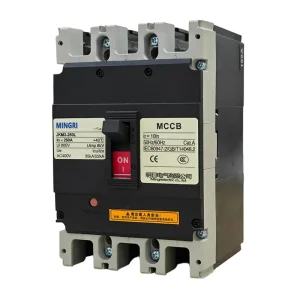
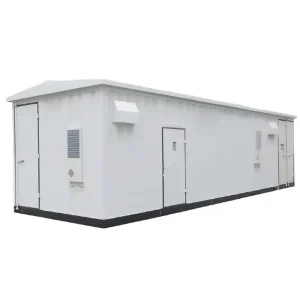
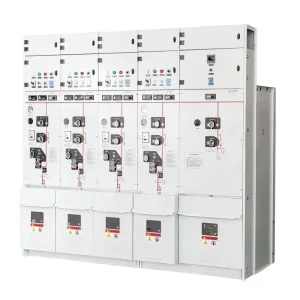
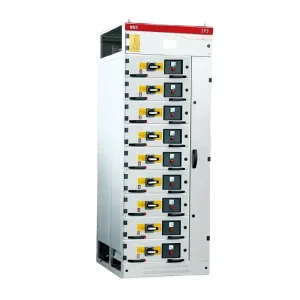
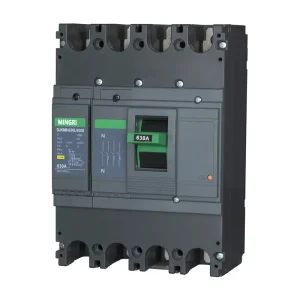
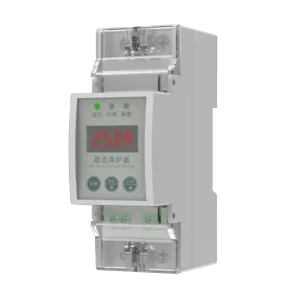
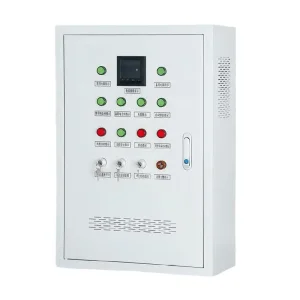
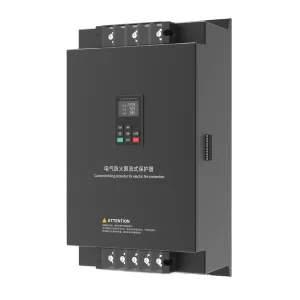
In the architecture of modern electrical power systems, the Isolating Switch (or Disconnector) serves as the primary guardian of maintenance safety. Unlike circuit breakers designed for arc quenching under load, the isolating switch creates a visible gap in the circuit, guaranteeing galvanic isolation. At Mingri Electric, we define "Voltage to Value" by engineering switches that don't just interrupt current—they secure human lives and protect infrastructure capital.
Our manufacturing philosophy bridges the gap between raw manufacturing capability and high-end engineering precision. As a premier Wholesale Isolating Switch Manufacturer, we integrate advanced die-stamping, automated assembly, and rigorous climate testing to ensure our units perform in environments ranging from tropical humidity to sub-zero industrial cold storage.
Why source your isolating switches from China? The answer lies in the Vertical Integration Model. We control the supply chain from raw copper procurement and silver-contact alloy fabrication to final housing injection molding. This end-to-end control allows:
Global procurement requires adherence to local electrical codes. We prioritize compliance with IEC 60947 series, CE, and RoHS standards. Every switch we manufacture undergoes:
For international enterprise clients, this means "plug-and-play" reliability. Our documentation package supports customs clearance and local utility inspection, reducing the risk of project delay.
An isolating switch is primarily for safety isolation (no load). A load break switch is designed to interrupt electrical current under load conditions. Mingri Electric offers both, optimized for different grid protection strategies.
We utilize IoT-enabled manufacturing lines where every switch undergoes automated optical inspection (AOI) to detect mechanical misalignments, followed by manual QA checkpoints.
Yes. We have a dedicated team for ODM (Original Design Manufacturing) where we work with your engineering specs to mold custom housing and contact points.
Trends include "Smart Isolation" where sensors monitor temperature and contact wear, allowing for predictive maintenance rather than reactive shutdowns.
 Mingri Electric