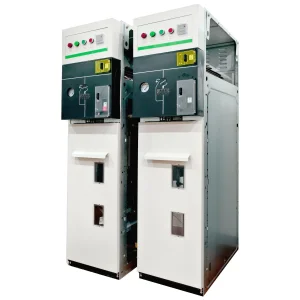
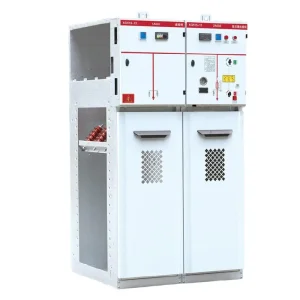
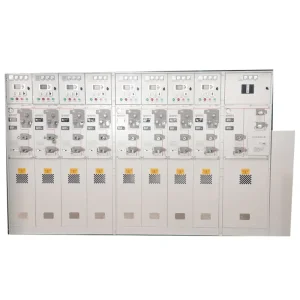
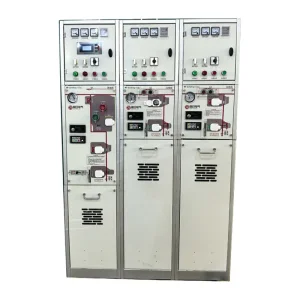
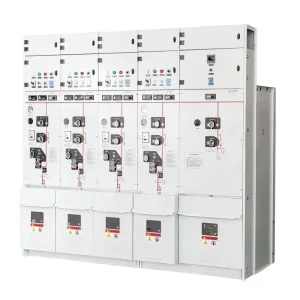
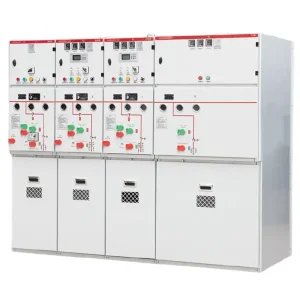
The Democratic Republic of Timor-Leste (East Timor) is executing a transformative expansion of its medium-voltage (MV) distribution network. Under the stewardship of Electricidade de Timor-Leste (EDTL), the nation is transitioning from localized diesel generation to an integrated nationwide grid. However, the island's unique geographical and climatic conditions pose substantial operational challenges for power distribution equipment.
High ambient relative humidity exceeding 85%, coastal salt-spray deposition in maritime areas such as Dili, Baucau, and Oecusse, and heavy seasonal monsoons cause rapid galvanic corrosion of standard metallic switchgear enclosures. Furthermore, mountainous inland regions such as Ermera and Aileu experience severe lightning-induced transient overvoltages. For utility networks to achieve reliable 24/7 uptime, the application of robust Ring Main Units (RMUs) with IP67-rated gas tanks and corrosion-resistant metal enclosures is a technical necessity.

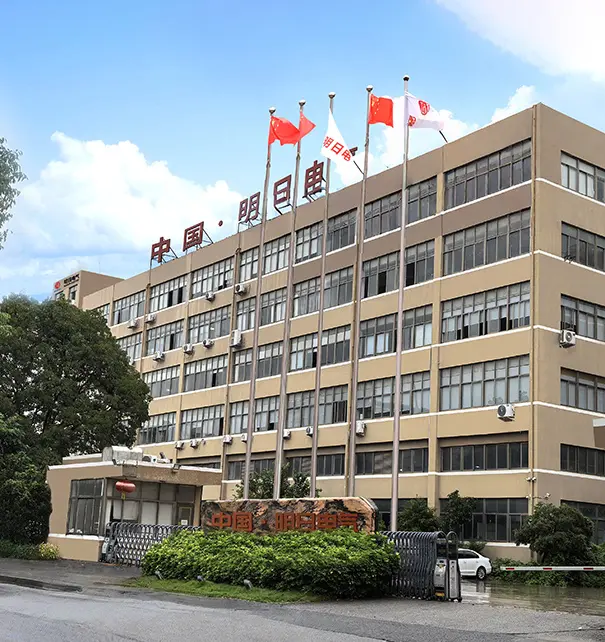
At Mingri Electric Co., Ltd., our story begins with a simple yet profound vision held by our founder, Mr. Fu: "To safeguard every circuit." This commitment to electrical safety and reliability has driven us to rethink how power distribution should be engineered—from the ground up.
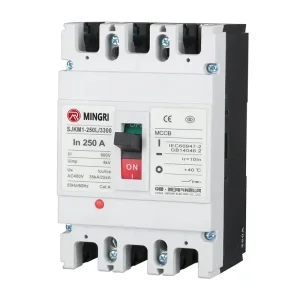
Quality isn't an afterthought; it's built into every component. That's why we don't just assemble switchgear—we redefine its foundations. Our team works hand-in-hand with precision stamping suppliers to co-develop custom molds and high-performance metal components. These aren't generic off-the-shelf parts; they're engineered to our exacting standards, ensuring flawless integration into our low- and high-voltage circuit breakers.
For utilities operating under persistent marine atmospheric conditions like those in East Timor, selecting the correct insulation medium is vital. Sulfur Hexafluoride (SF6) gas-insulated RMUs offer exceptional dielectric strength in a hermetically sealed tank, completely isolated from ambient pollutants, dust, and corrosive sea salt. However, modern environmental policies demand alternative greenhouse gas reduction strategies.
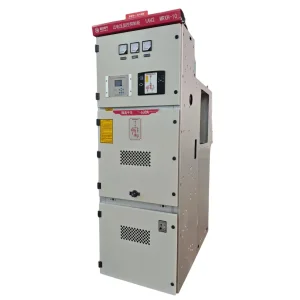
To meet this requirement, our Solid Insulated Switchgear (SIS), like the GXGN-12 series, utilizes epoxy resin casting to fully encapsulate current-carrying components. This design achieves high environmental tolerance without using SF6 gas, eliminating gas leakage risks and simplifying recycling at the end of the equipment's lifecycle.
With Timor-Leste actively investing in decentralized solar photovoltaic (PV) installations and diesel-hybrid microgrids in rural municipalities, the requirement for smart switchgear has intensified. Integrating Intelligent Electronic Devices (IEDs), RTUs, and smart energy meters directly into RMU compartments enables real-time SCADA communication via fiber optic or cellular channels. This enables utility operators to remotely isolate faults, perform load balancing, and minimize outage times across rural regions.
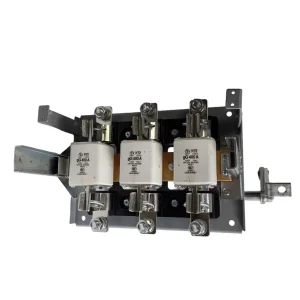
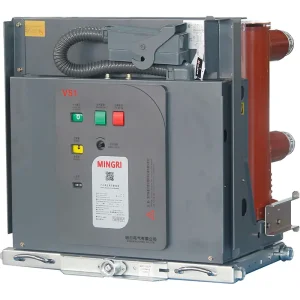
Unlike standard assemblers, Mingri Electric manages the entire value chain. By designing and manufacturing our own vacuum circuit breakers (VCBs), load break switches (LBS), and copper busbar connections, we ensure there are no weak mechanical links in the assembly. Our partnerships with precision stamping suppliers guarantee that all steel frameworks undergo hot-dip galvanization and outdoor-grade electrostatic epoxy powder coating to survive decades of use in high-salinity maritime regions.
All MV equipment destined for Timor-Leste utilities must conform to International Electrotechnical Commission (IEC) standards, specifically IEC 62271-200 for metal-enclosed switchgear and controlgear. This compliance guarantees the structural integrity of the RMU when handling short-circuit currents and internal arc scenarios.
Given the high marine erosion index in Dili and Baucau, specifications must enforce an IP67 ingress protection rating for the primary gas-insulated tank and at least IP4X for the outer enclosure. Outer cabinets must be made of stainless steel (304 or 316L) to prevent rapid paint degradation and structural rusting.
Timor-Leste's steep roads and developing rural transport networks require compact, lightweight modular RMUs. Modular models are easier to maneuver and position in remote, mountainous sites, reducing the need for heavy site cranes during installation.
A: Our RMUs utilize SF6 hermetically sealed stainless steel tanks (IP67 rating) that completely isolate all live medium-voltage electrical components from ambient humidity, dust, and corrosive salts. Additionally, the outer enclosure undergoes a multi-stage hot-dip galvanization and polyurethane painting process, providing corrosion resistance class C4/C5 under ISO 12944.
A: Yes, our equipment is fully compliant with IEC 62271-200 and international grid standards, which form the technical baseline for Electricidade de Timor-Leste (EDTL). We supply complete test certificates from internationally recognized laboratories to streamline the local grid integration approval process.
A: We manufacture the HBXGN-12 series, which features eco-friendly gas mixtures, and the GXGN-12 Solid-Insulated Switchgear (SIS). The SIS uses epoxy resin encapsulation instead of pressurized insulating gas, eliminating SF6 gas emissions and matching standard medium-voltage dielectric capabilities.
A: Absolutely. Our RMUs can be equipped with low-power current/voltage transformers (LPCT/LPVT) and integrated Remote Terminal Units (RTUs) supporting standard protocols such as Modbus, DNP3, and IEC 60870-5-104. This configuration enables remote monitoring, fault detection, isolation, and service restoration (FDIR) across decentralized solar-diesel hybrid microgrids.
A: Mingri Electric provides a standard 18-month warranty from shipment or 12-month from commissioning. We support EPC contractors and local installers in Timor-Leste through detailed video commission guidelines, real-time remote engineering assistance, and on-site engineering dispatch options for large-scale municipal projects.
 Mingri Electric