The landscape of indoor high-voltage (HV) switchgear manufacturing in China has undergone a paradigm shift over the past decade. Once reliant on importing core technologies, Chinese manufacturers—led by pioneers like Mingri Electric—have transitioned into global authorities on electrical infrastructure. This transition is not merely quantitative but qualitative, driven by a commitment to the E-E-A-T (Experience, Expertise, Authoritativeness, Trustworthiness) framework.
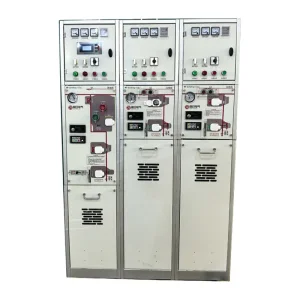
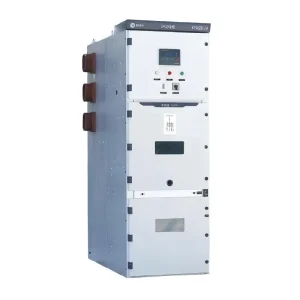
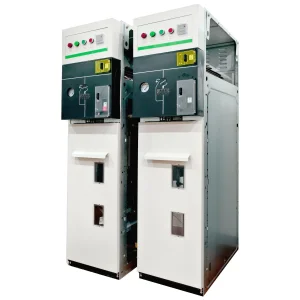
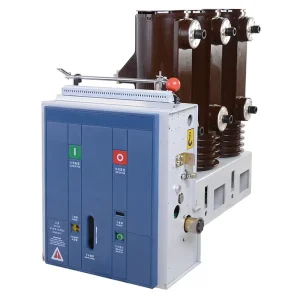
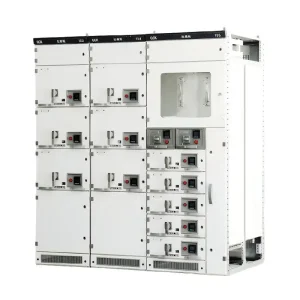
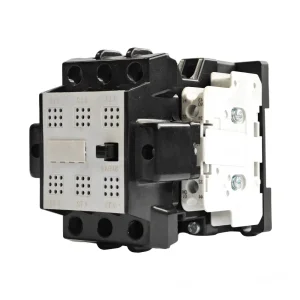
Today, the Chinese indoor HV market is characterized by full vertical integration. By co-developing precision stamping dies and custom molds, manufacturers have achieved "closed-loop" quality control. This allows for total accountability, ensuring that when an engineer installs an OEM SafeRing-12 or a KYN28-24 switchgear, every component—from the arc chute to the contactor—is optimized for thermal and mechanical resilience.
The industry is moving rapidly toward IoT-enabled power distribution. Modern indoor HV systems are no longer passive blocks of metal. They are now intelligent nodes in a larger grid.
Mingri Electric’s philosophy, "From Voltage to Value," reflects a broader industrial movement. It is no longer enough to supply hardware; suppliers must provide macro-industrial solutions.
Ensuring 99.999% uptime requires switchgear that can synchronize seamlessly with renewable microgrids. Our modular architectures are designed for this exact synchronization.
With the rise of wind and solar farms, indoor HV equipment is being retrofitted for higher frequency switching capabilities, ensuring stability in volatile power generation environments.
Smarter city power distribution relies on intelligent RMU (Ring Main Unit) configurations that minimize energy waste and improve safety in high-density residential and commercial sectors.
A top-tier supplier, such as those meeting international standards, focuses on vertical integration. This means controlling the production of critical components internally rather than outsourcing, ensuring 100% QA compatibility. Look for certifications (ISO, IEC compliance) and verifiable R&D capacity.
Gas-insulated switchgear offers a much smaller footprint and is impervious to environmental factors like dust, humidity, and chemical pollution. It is the gold standard for indoor applications where reliability and maintenance-free operation are critical.
By implementing sensors that monitor the health of high-voltage components in real-time, operators can transition from reactive to proactive maintenance. This prevents catastrophic failures and reduces downtime, significantly improving the Return on Investment over the 15-20 year lifespan of the equipment.
 Mingri Electric