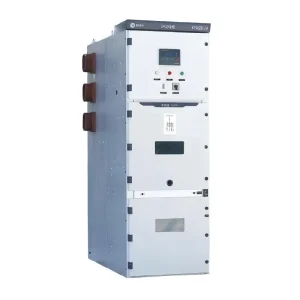
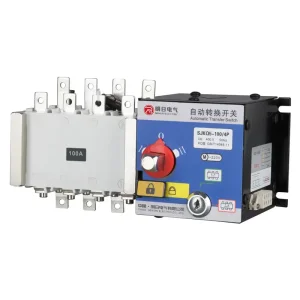
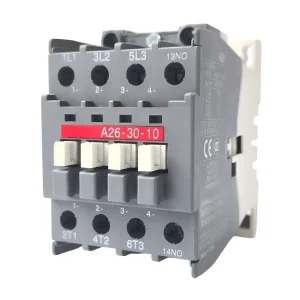
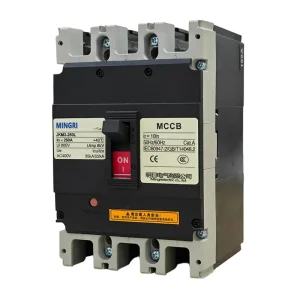
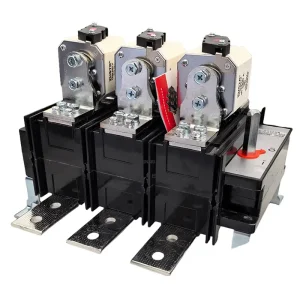
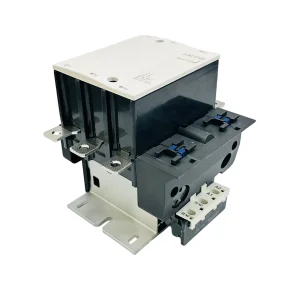
In the landscape of modern electrical engineering, the Moulded Case Circuit Breaker (MCCB)—specifically the SJKM1LY series—represents the critical intersection of safety, durability, and intelligent control. As a global authority in power distribution components, manufacturers in China have revolutionized the production of these devices by integrating high-grade materials with advanced trip-unit technology.
The global demand for MCCBs is surging, driven by the expansion of industrial automation, smart grid infrastructure, and the massive deployment of renewable energy systems. SJKM1LY MCCBs are designed to provide robust overload and short-circuit protection, serving as the "heartbeat" of low-voltage distribution panels in commercial, industrial, and residential sectors.
We are witnessing a paradigm shift: moving from purely mechanical interruption to IIoT-enabled circuit protection. Future iterations of SJKM1LY components are incorporating:
From the harsh, high-vibration environments of mining operations to the climate-controlled server rooms of global data centers, SJKM1LY MCCBs are engineered for versatility. Their ability to operate within diverse ambient temperatures and humidity levels makes them the preferred choice for EPC (Engineering, Procurement, and Construction) firms globally.
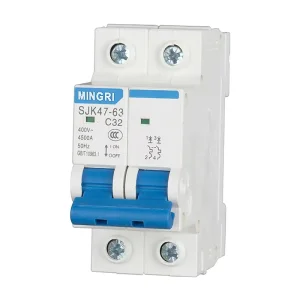
SJKM1LY MCCBs provide significantly higher breaking capacities and are adjustable. Unlike MCBs, which are primarily for residential low-current application, SJKM1LY is built for higher current ratings, providing advanced protection for industrial distribution systems.
China has established a vertical integration ecosystem. By controlling the entire supply chain—from the casting of the copper contacts to the precision injection of the case housing—Chinese manufacturers provide unparalleled value, allowing for customization (ODM/OEM) that is unmatched by higher-cost, less flexible international counterparts.
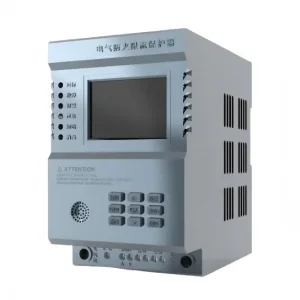
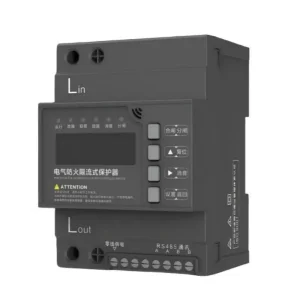
Modern SJKM1LY iterations support digital trip units that can transmit status data via Modbus/TCP or Profibus protocols, allowing facility managers to integrate circuit protection into broader BMS (Building Management Systems) or SCADA platforms.
 Mingri Electric