High-Quality Residual Current Operated Circuit Breaker Suppliers & Factory

Pioneering Smart Infrastructure & Power System Safety with Industrial-Grade RCCB Engineering Solutions Globally

CORPORATE PHILOSOPHY

From Voltage to Value: Powering a Smarter, Safer Electrical Future

At Mingri Electric Co., Ltd., our story begins with a simple yet profound vision held by our founder, Mr. Fu: "To safeguard every circuit." This commitment to electrical safety and reliability has driven us to rethink how power distribution should be engineered—from the ground up.

We believe electricity isn't merely a physical quantity; it's the lifeblood of modern civilization. Our mission is to transform raw voltage into tangible, secure, and sustainable value. Through vertical integration, advanced materials research, and smart grid adaptive technologies, we bridge the critical gap between grid power availability and ultimate system safety.

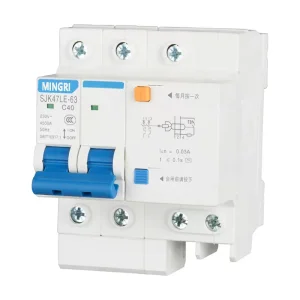
Our focus on Residual Current Operated Circuit Breakers (RCCBs) represents the pinnacle of this protection journey—preventing catastrophic fires and safeguarding lives in residential, commercial, and heavy industrial settings globally.

Mingri Power System Engineering

Engineering Excellence Starts at the Source

Quality isn't an afterthought; it's built into every component. That's why we don't just assemble switchgear—we redefine its foundations. Our team works hand-in-hand with precision stamping suppliers to co-develop custom molds and high-performance metal components. These aren't generic off-the-shelf parts; they're engineered to our exacting standards, ensuring flawless integration into our low- and high-voltage circuit breakers.

And because we control the production of our own breakers, we guarantee seamless compatibility when they become the core of our switchgear systems. This vertical integration isn't just about efficiency—it's about total accountability at every step.

01
For Industries
Uninterrupted power means uninterrupted productivity. Our system-wide RCCB integrations minimize downtime, protecting critical manufacturing processes from ground faults and harmonic grid disturbances.
02
For Cities
Smarter electrical distribution reduces system energy waste. By managing leakage currents efficiently, we enable urban infrastructures and municipal buildings to run cleaner, safer, and leaner.
03
For Homes
Behind every flick of a light switch lies layers of our dynamic electrical engineering—ensuring instantaneous personal safety and electrical fire prevention without compromise.
+1%
Efficiency Optimization
A modest 1% improvement in local transformer grid efficiency can power thousands of municipal homes annually, dramatically lowering local grid operational strain.
-30%
Maintenance Overhead
Deploying digital-twin predictive maintenance algorithms alongside smart RCCBs slashes long-term operational costs of circuit systems by up to 30%.
40%
Space-Saving Form Factors
Our compact, modular low-voltage switchgear designs occupy 40% less physical space compared to conventional electrical models, allowing for denser power room configurations.

Whitepaper: Industrial Dynamics of Residual Current Operated Circuit Breakers (RCCBs)

As grid electrification accelerates, the demand for robust Residual Current Operated Circuit Breakers (RCCBs / RCDs) has evolved from basic domestic shock prevention to comprehensive industrial safety management. Modern electrical grids are increasingly complex, characterized by the integration of non-linear loads, solar inverters, electric vehicle (EV) charging stations, and variable frequency drives (VFDs). These components introduce high-frequency DC components and harmonic distortion, rendering standard Type AC RCCBs obsolete in critical applications.

Global Procurement Challenges and Requirements

Global procurement teams must navigate a complex landscape of safety codes and regulatory standards. For heavy industrial installations, data centers, and manufacturing plants, procurement parameters go far beyond price:

  • Type Compatibility: Transitioning from standard Type A to complex Type B RCCBs to detect smooth DC residual currents generated by multi-phase rectifiers and solar arrays.
  • Electromagnetic Immunity: Selecting devices built with high immunity to electromagnetic interference (EMI) to eliminate costly nuisance tripping in high-power motor applications.
  • Environmental Durability: Demanding fire-retardant enclosures (such as V0-rated polycarbonates) and heavy-duty silver-alloy contact arrays capable of enduring corrosive environments and temperature extremes.

System Integration & Macro-Level Safety

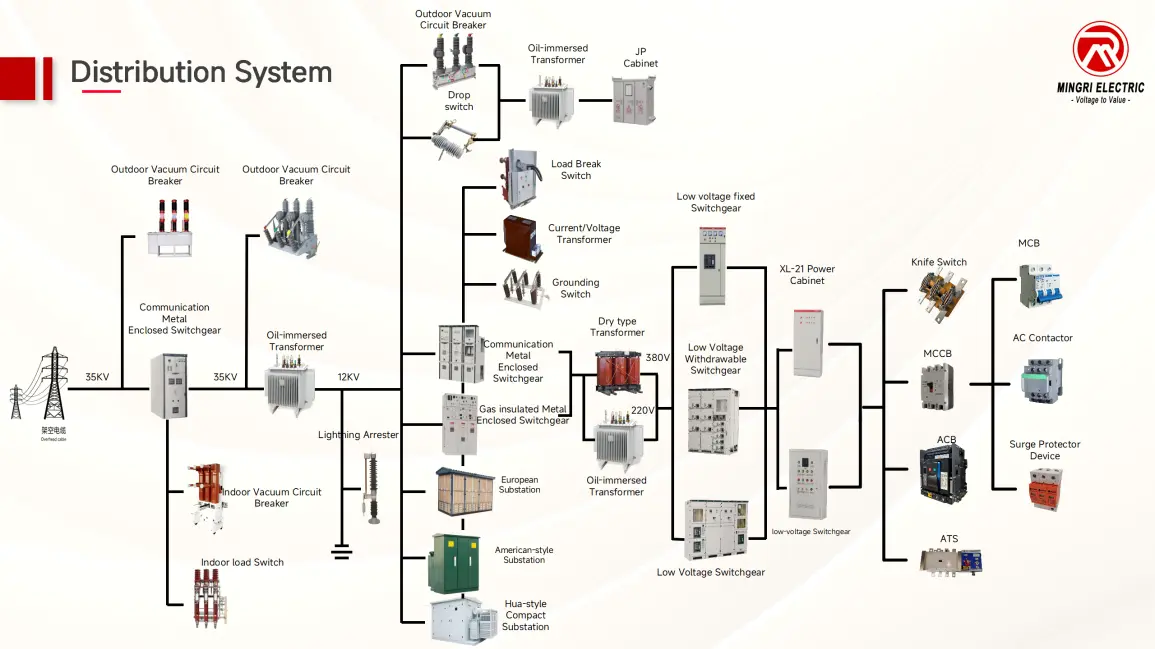
To establish a zero-risk power delivery grid, an RCCB must be seamlessly integrated into a wider, coordinated protection hierarchy. This architecture combines low-voltage MCCBs, air circuit breakers (ACBs), and contactors within unified distribution systems:

  • Selectivity Mapping: Configuring time-delay characteristics between upstream main board circuit breakers and downstream branch RCCBs to ensure localized fault isolation.
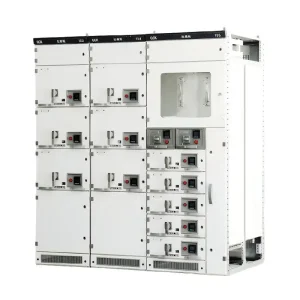
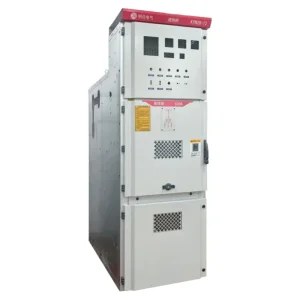
  • Co-engineered Switchgear Systems: Ensuring total integration of circuit breakers into low-voltage drawout panels (like the GCK or GCS series) and metal-clad switchgear assemblies (like KYN28-12).
  • Physical Mold Standards: Utilizing custom, high-precision stamping parts which ensure minimal internal mechanical friction, guaranteeing long-term trip-calibration reliability over thousands of cycles.

Technology Roadmap and Future Outlook

The energy transition requires a fundamental shift from reactive protection mechanisms to active, digitalized systems. The future of electrical circuit protection is defined by intelligence, modular flexibility, and sustainable materials.

Closed-Loop Quality

Eliminating micro-defects at the mechanical level by enforcing 100% automated physical testing from raw sheet metal stamping dies down to terminal block insertion. By keeping the manufacturing vertical, we maintain zero tolerance for component variation.

Adaptive Grid Tech

Integrating smart microprocessors into residual current devices to analyze waveforms in real-time. This allows the breaker to distinguish between dangerous transient earth faults and normal background capacitive leakage currents.

Circular Design

Designing modular architectures with recyclable, lead-free, and halogen-free compounds. Our modern circuit breaker frames are structured for easy disassembly and component sorting, reducing carbon footprint throughout the product lifecycle.

Global Industry & Infrastructure Project Cases

Commercial Center Power Grid

Commercial Center Systems

Smart load balancing and integrated low-voltage power panels to assure continuous operations in high-density urban office towers.
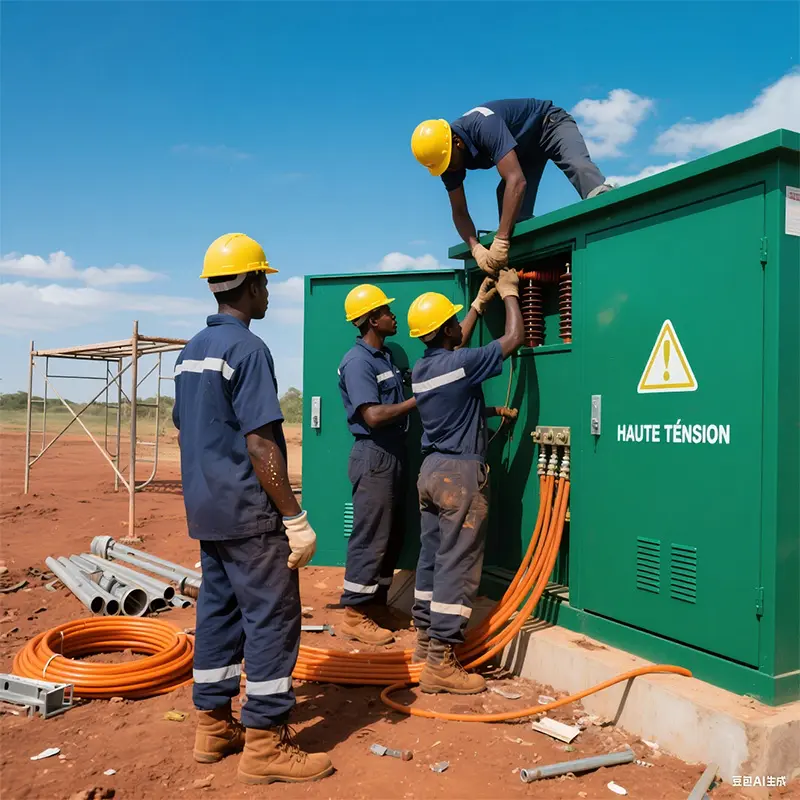
Industrial Buildings Power grid

Industrial Plant Safety

Deploying heavy-duty, high breaking capacity circuit breakers to insulate production floors from transient line surges and faults.

Photovoltaics Power Grid Integration

Photovoltaic & Solar Generation

Specialized DC/AC isolation components and Type B leak protection devices safeguarding distributed solar arrays and microinverters.
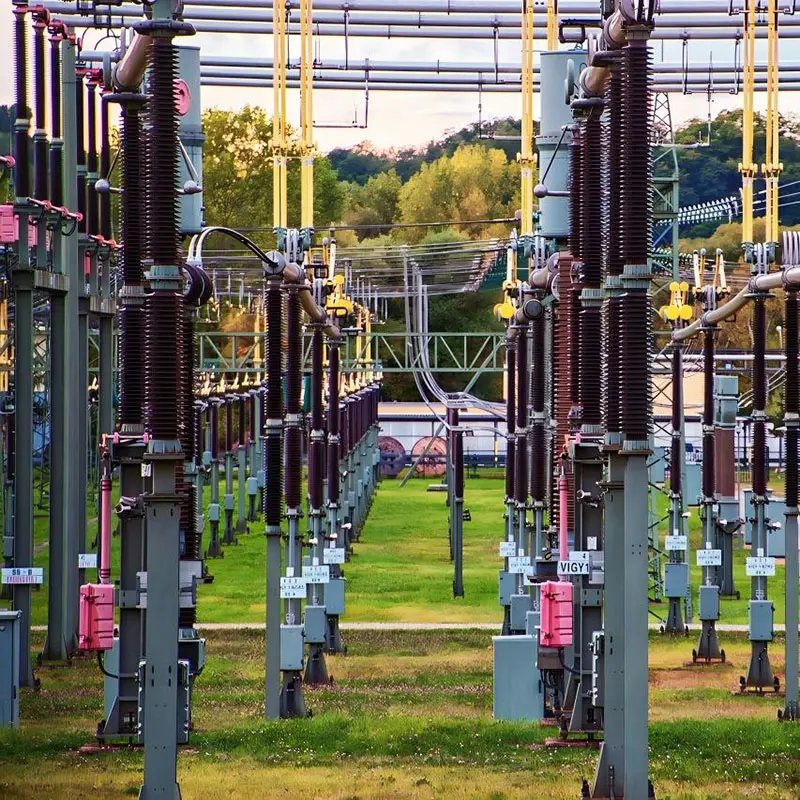
Power Plant Switchgear Integration

Power Transmission Stations

Gas-insulated switchgear units and custom high-voltage protection devices guaranteeing grid-level safety and load-balancing.
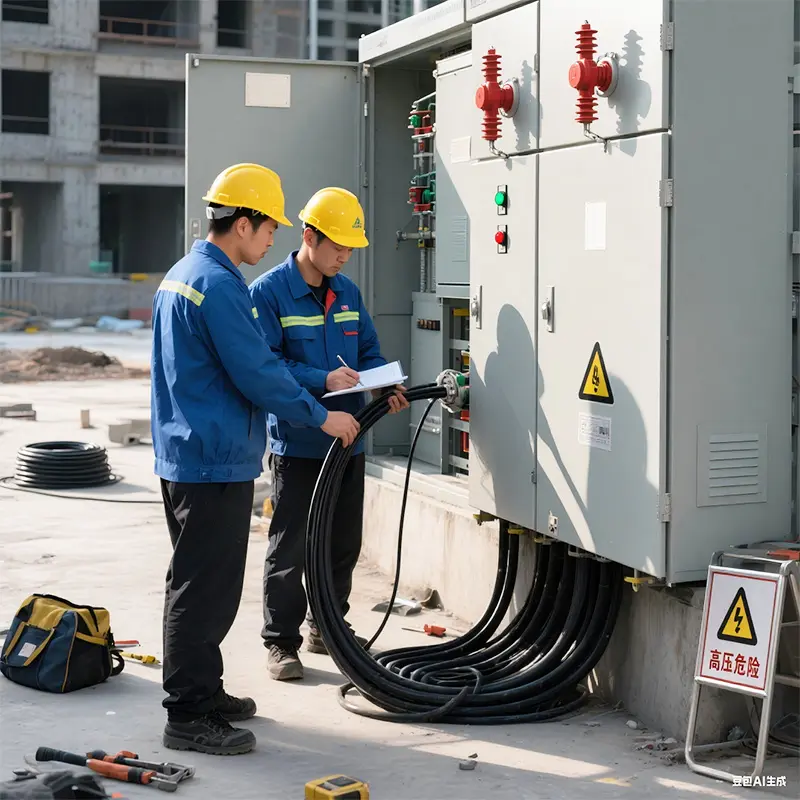
Real Estate Electrical infrastructure

Residential Real Estate

Standardized, reliable miniature circuit breakers and RCCBs keeping thousands of modern households safe from domestic electrical hazards.

Wind Power Generation Station Grid

Wind Energy Conversion

Rugged switchgears engineered to withstand severe weather, vibration, and thermal shifts on remote offshore and onshore wind farms.

Systemized Product Classifications

Substations & Transformers

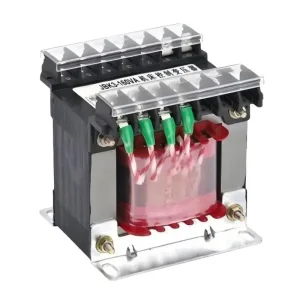
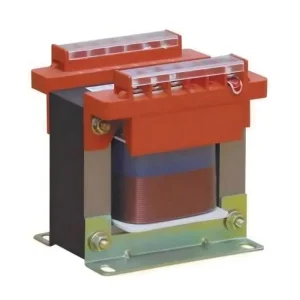
High-efficiency machine tool control transformers, oil-immersed distribution transformers, and custom prefabricated substations (YB□-12).

Ring Main Units (RMU)

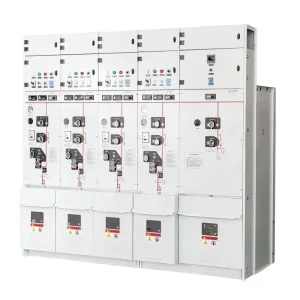
Gas-insulated and solid-insulated medium voltage switchgears designed to manage power distribution loops with maximum compact footprints.

Low-Voltage Switchgears

Fully withdrawable low voltage panels (GCS, GCK, GGD) designed for complex power control centers, motor control centers, and grid interfaces.

Advanced Circuit Protection

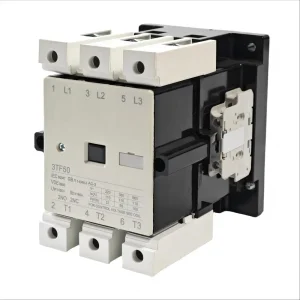
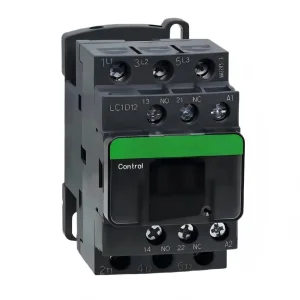
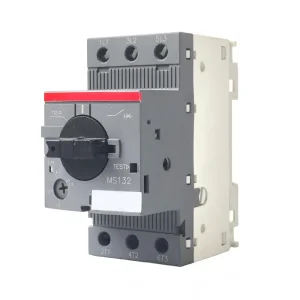
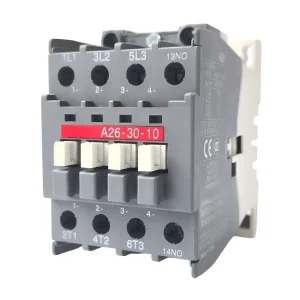
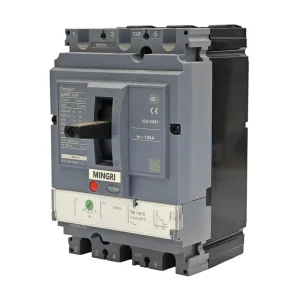
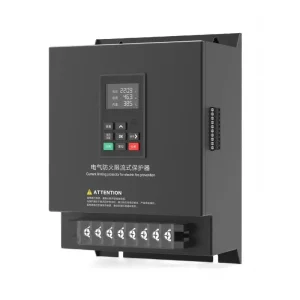
Molded case circuit breakers (MCCB), heavy-duty contactors, current-limiting protectors, and high-sensitivity RCCB safety systems.

International Quality Standards & Certifications

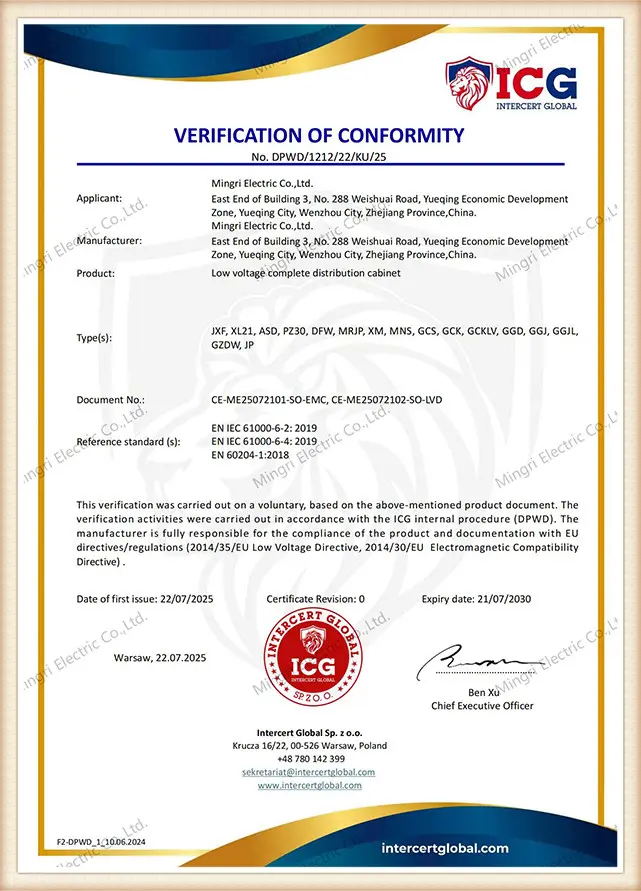
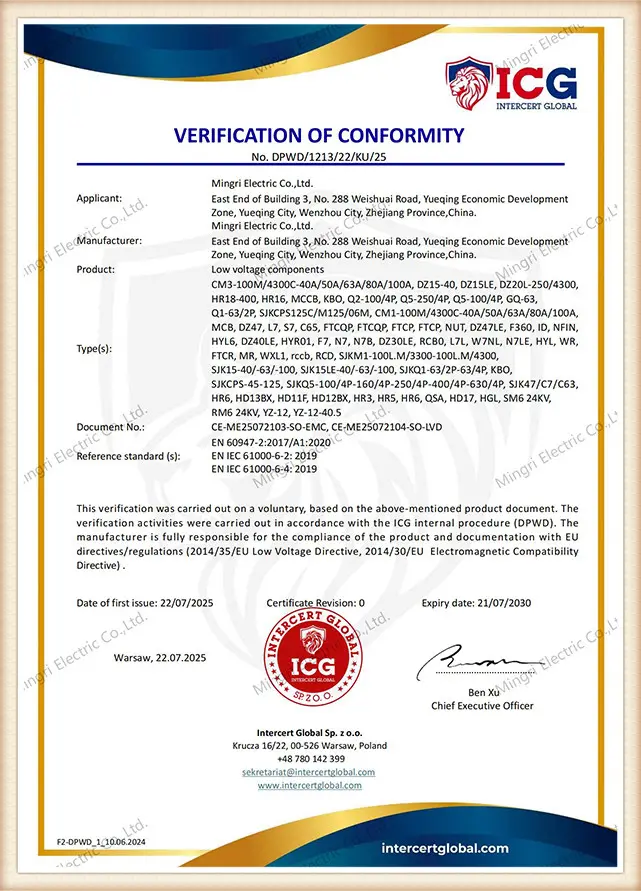
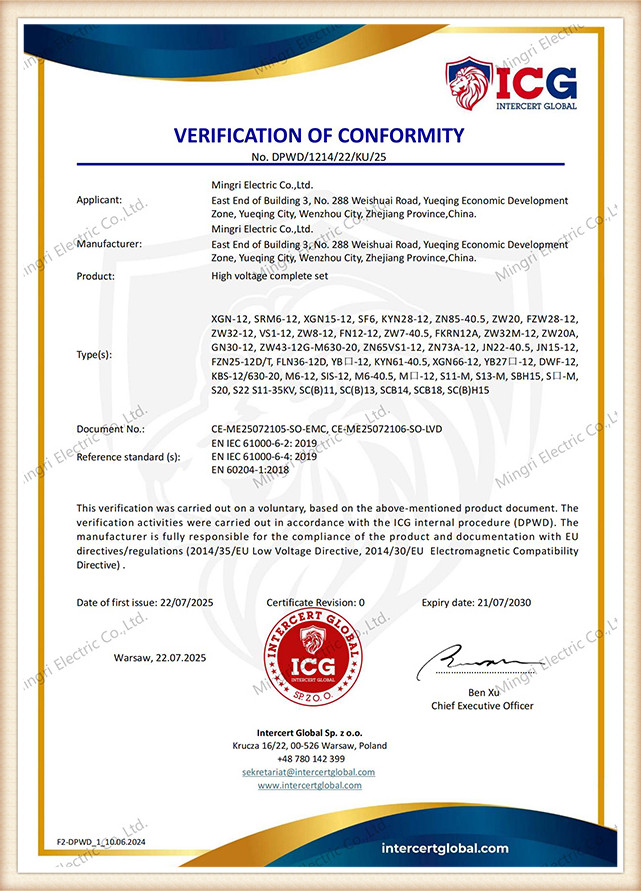
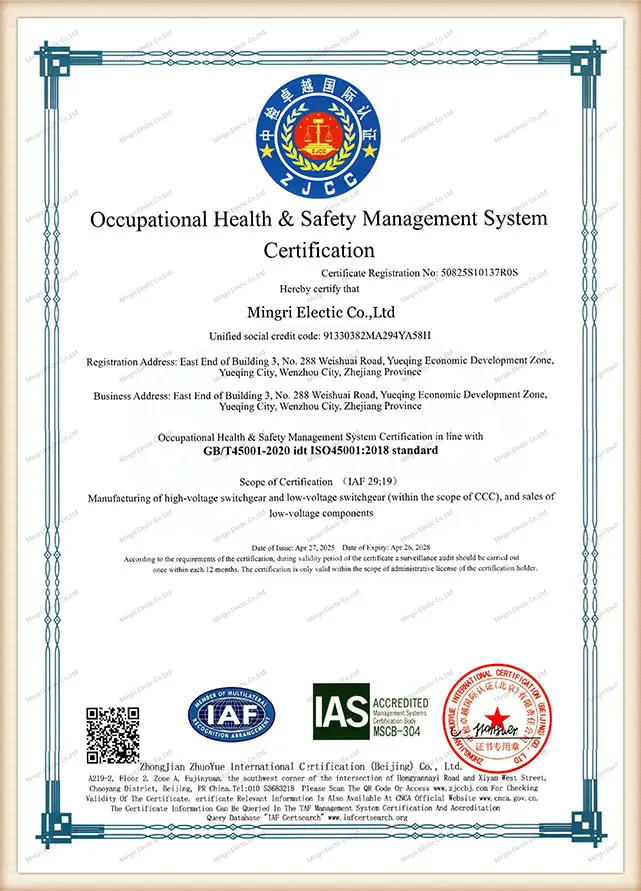
Every system component produced by our factory complies with international electric safety standards (IEC/EN, GB, ISO) and is thoroughly tested under extreme electrical stress.
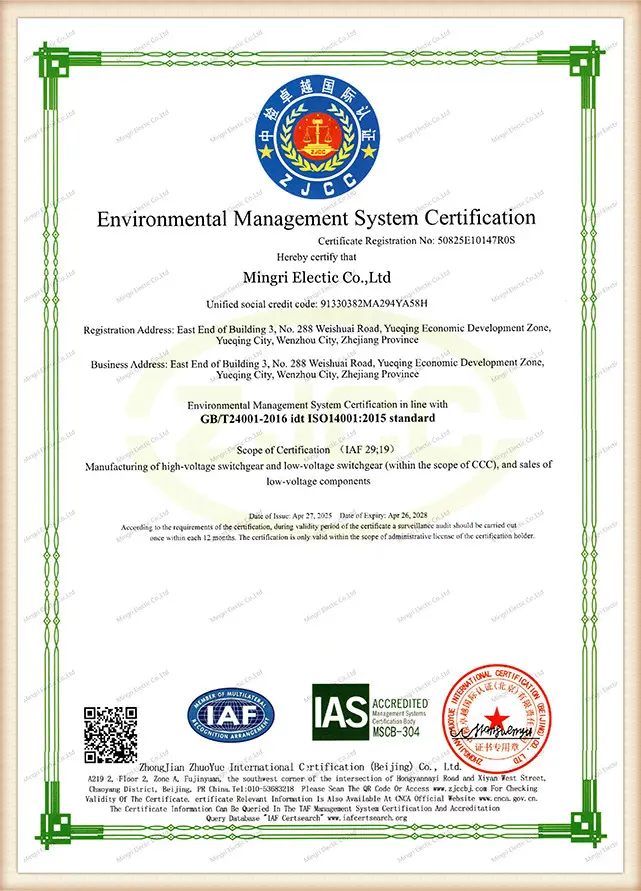
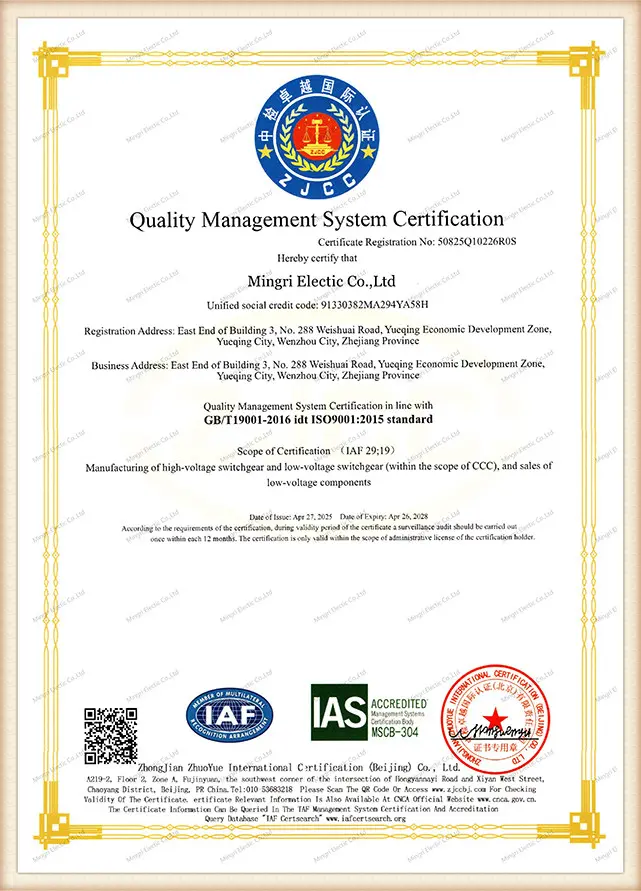
ISO Certification Document 1
ISO Certification Document 2
Electrical Safety Certificate 3
Safety Standard Certificate 4
Quality Compliance Certificate 5
International Grid Certificate 6
Mingri Power Worldwide Distribution
FACTORY DIRECT WORLDWIDE SUPPORT

Our Products are Sold Worldwide

With an extensive distribution network stretching across Europe, the Americas, Asia-Pacific, and Africa, we ensure that modern grid infrastructure solutions are accessible globally. However, delivering quality doesn't stop at shipment arrival.

We provide localized engineering support, remote video diagnostics, and onsite training seminars to keep installation engineers up-to-date with current safety protocols. Whether you are installing a high-voltage substation in South America or configuring microgrids in Northern Europe, our engineering services are active 24/7 to guarantee your grid uptime.

  • Continuous Technical Consultations: Direct links to core design engineers for custom configurations.
  • Fast-Track Spare Parts: Strategic local warehousing ensuring essential parts dispatch within 24 hours.
  • Adaptive Customization: Tailoring breaker voltage profiles and chassis fits for specific regional grid codes.

Deep Technical FAQ for Electrical Procurement Managers

What is the main operating difference between Type A and Type B RCCBs?
Type A RCCBs are designed to detect sinusoidal AC residual currents and pulsating DC residual currents, making them suitable for typical single-phase electronic loads. Type B RCCBs are far more advanced; they detect sinusoidal AC, pulsating DC, and smooth DC residual currents. Type B devices are essential for high-frequency inverters, three-phase variable speed drives, solar generation fields, and electric vehicle charging hubs where DC fault currents can compromise typical sensing magnetic cores.
How does precision metal stamping affect the reliability of an RCCB?
The internal trip mechanism of an RCCB relies on exact, consistent mechanical forces. Even a minor structural deviation of 0.05mm in the metal release components can shift the trip curve, potentially delaying action during a critical ground fault. By co-developing and owning the stamping dies, our factory maintains rigorous dimensional control, preventing mechanical drift and ensuring consistent trip times (<40ms) over a lifespan of more than 10,000 electrical cycles.
Why is coordination between MCCBs and RCCBs necessary in commercial installations?
Coordination (also known as selectivity) ensures that if a ground fault occurs on a branch circuit, only the protective device directly upstream of the fault opens, while the larger main breakers stay closed. This protects the rest of the commercial facility from unnecessary total power blackouts. Proper selectivity requires calculations based on current-time characteristic curves, ensuring downstream RCCBs react faster than upstream circuit protection units.
How do harmonic distortions affect standard RCCBs, and how is it mitigated?
Non-linear loads like computers and VFDs generate high-frequency harmonics, which pass through the sensing toroidal transformer of basic RCCBs, inducing unwanted currents in the secondary coil and causing premature tripping. Advanced RCCB units integrate low-pass filtering circuits that filter out high-frequency noise while focusing on the standard power frequency (50/60 Hz) leakage currents, avoiding false alarms without compromising critical safety response.