 Mingri Electric
The Critical Evolution of Arc Fault Protection: A Global Necessity
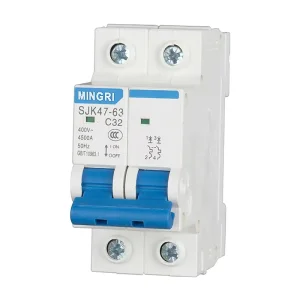
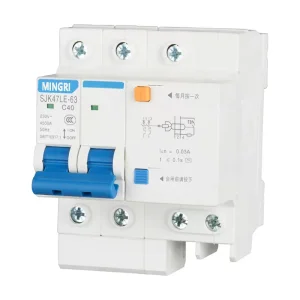
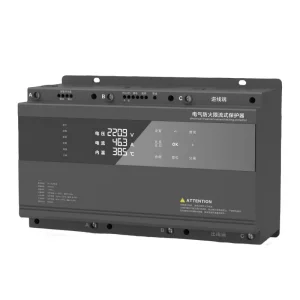
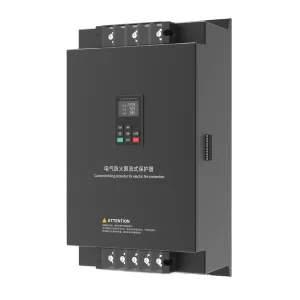
In the modern electrical infrastructure landscape, Arc Fault Detection Devices (AFDDs) and related arc fault protection mechanisms have evolved from luxury additions to mandatory safety requirements in many international building codes. Unlike standard Miniature Circuit Breakers (MCBs) that protect against overcurrent and short circuits, Arc Fault Protection technology is engineered to detect the erratic electrical arcing signatures that often precede catastrophic electrical fires.
As a seasoned industry observer, I have witnessed the transition from passive protection to intelligent, algorithm-driven safety. Factories, particularly those operating under OEM models, are now tasked with integrating microprocessors into traditional switchgear to differentiate between "good" arcs (like those from a vacuum cleaner motor) and "dangerous" arcs (like those from loose wiring or damaged insulation).
Why Partner with Chinese OEM Factories for Arc Fault Solutions?
The global shift towards sourcing Arc Fault Protection technology from Chinese manufacturers is driven by three core pillars: Vertical Integration, Rapid Innovation, and Economies of Scale.
Vertical Integration
Chinese factories like Mingri Electric control the entire supply chain, from metal stamping molds to PCB board assembly, ensuring that quality standards are met at every single production phase.
Rigorous Compliance
Modern Chinese production lines are aligned with IEC 62606 and international standards, ensuring that OEM products meet the stringent requirements of EU, North American, and Middle Eastern markets.
Data-Driven R&D
By leveraging big data from millions of deployed units, manufacturers can constantly optimize the sensitivity of arc detection algorithms, reducing nuisance tripping and increasing reliability.
Industry Trends: The Future of Intelligent Protection
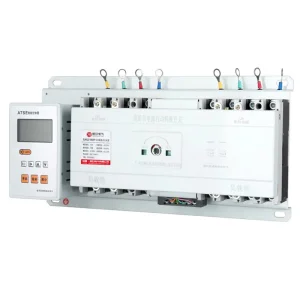
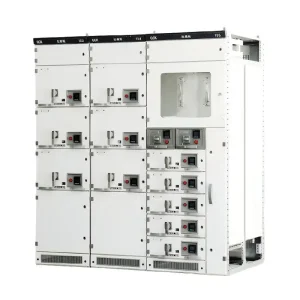
The industry is moving toward "Self-Healing" electrical grids. Arc fault protection is no longer a standalone device; it is becoming an integral part of the IoT-enabled smart home and industrial management system. We are seeing a surge in demand for modular switchgear that integrates arc protection, energy monitoring, and remote diagnostics into a single, compact unit.
Macro Solutions for Global Enterprises
For multinational corporations, procurement is not just about unit price; it is about Systemic Reliability. Our solutions provide:
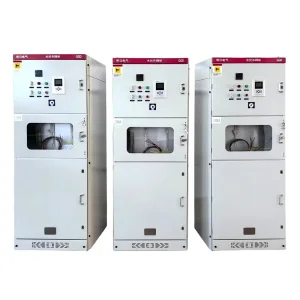
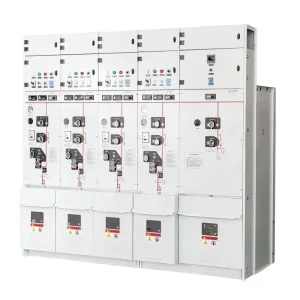
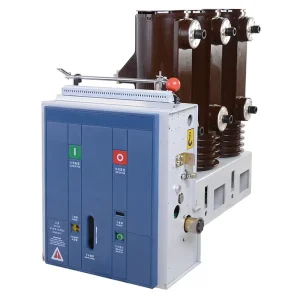
- Scalability: From residential AFDD units to high-voltage industrial arc suppression cabinets.
- Customization: OEM services that allow for custom housing, firmware adjustments for specific regional grid conditions, and branding.
- Logistical Efficiency: Streamlined export processes ensuring compliance with international shipping regulations for electrical components.
FAQ: Frequently Asked Questions
Q: How does arc fault protection differ from standard breakers?
A: Standard breakers protect against overcurrent. Arc fault devices monitor the electrical signature of the circuit, detecting dangerous high-frequency noise typical of arcing, and cutting power to prevent potential fire ignition.
Q: Can Chinese OEM factories meet UL or IEC standards?
A: Absolutely. Reputable manufacturers have dedicated QC teams and test labs that maintain certifications such as ISO 9001, CE, and specific regional approvals required by international buyers.
Q: What is the lead time for custom OEM projects?
A: While it depends on the complexity (e.g., custom mold development vs. white-labeling), vertical integration allows for faster prototyping than non-integrated firms, often reducing lead times by 30-40%.