In the modern era of energy transition, the demand for high-reliability OEM electrical components has never been higher. As global industrialization intensifies, companies are seeking more than just suppliers; they are looking for strategic partners who can provide Information Gain—the intersection of technical expertise, manufacturing scale, and forward-thinking innovation.
China has solidified its position as the global nerve center for electrical manufacturing. The advantage is not merely "low cost"; it is a sophisticated, vertically integrated ecosystem. Factories like those in the power distribution sector have mastered the art of rapid prototyping and high-volume precision. By controlling the supply chain—from raw metal stamping to sophisticated circuit board assembly—we ensure that every component meets rigorous international standards like IEC, UL, and CE.
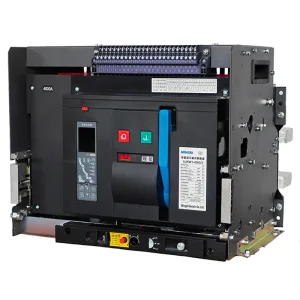
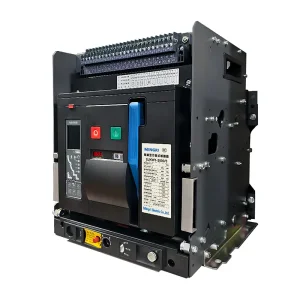
The electrical component landscape is witnessing a digital revolution. Industry 4.0 is no longer a buzzword; it is a reality. We are witnessing a shift from passive components to intelligent, IoT-enabled power management systems. Predictive maintenance, remote monitoring, and self-healing grid capabilities are becoming standard requirements. Our focus is to lead this transition, ensuring our switchgear and breakers are not just hardware, but data-driven nodes in a larger energy web.
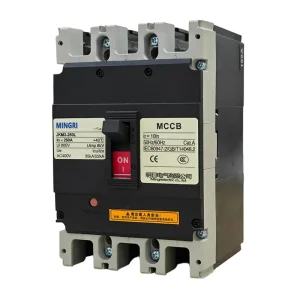
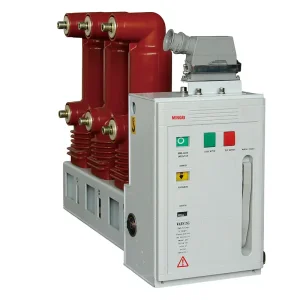
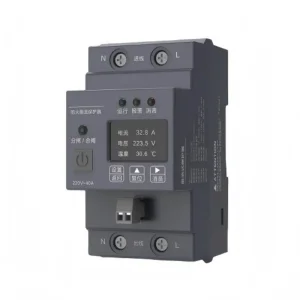
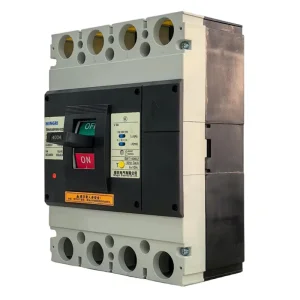
Power availability is the lifeblood of digital transformation. We engineer high-sensitivity ELCBs and intelligent switchgear that prevent even milliseconds of downtime, ensuring 99.999% uptime for sensitive server environments.
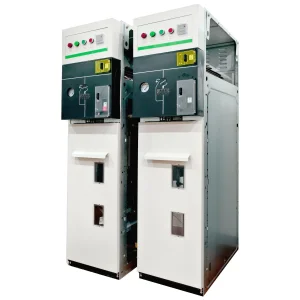
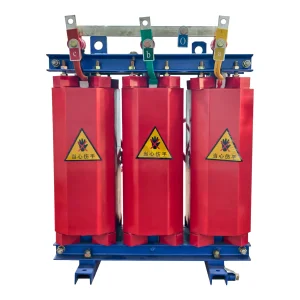
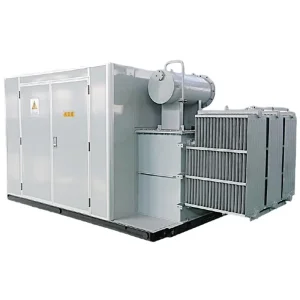
For photovoltaic and wind power plants, environmental durability is key. Our substations and transformers are built to withstand extreme temperatures and corrosive environments, optimized for high-efficiency energy conversion.
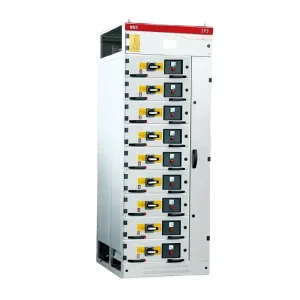
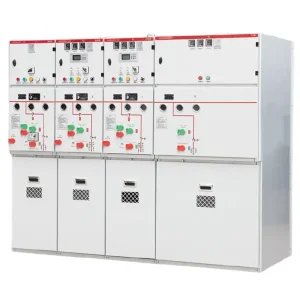
Factories require robust power control. Our MNS switchgear systems offer modular designs, allowing for easy expansion and maintenance, reducing operational overhead for heavy industries.
For international buyers, the challenge lies in balancing cost with E-E-A-T (Experience, Expertise, Authoritativeness, Trustworthiness). When selecting an OEM partner, look for these markers of excellence:
OEM (Original Equipment Manufacturer) focuses on manufacturing a product based on your specific design specifications, ensuring strict adherence to your engineering blueprint. ODM (Original Design Manufacturer) involves us providing the design, intellectual property, and engineering, which you then brand. We excel in both, offering custom molds and white-label solutions.
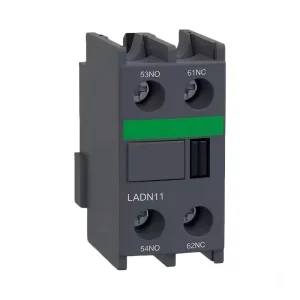
Reputable manufacturers provide third-party validation. Look for testing reports from labs like KEMA, ASTA, or TUV. Furthermore, ensure the factory maintains ISO 9001 quality management systems. Transparency in the supply chain—knowing exactly where the core components (e.g., contactor materials) come from—is the mark of a reliable partner.
The most effective way is through Vertical Integration. By selecting a manufacturer that owns the tool-and-die workshop, you eliminate the time spent waiting for third-party mold fabrication. Pre-fabrication, such as using modular switchgear designs, also significantly compresses the assembly timeline on-site.
 Mingri Electric