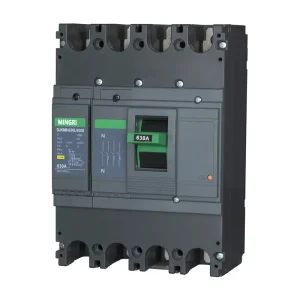
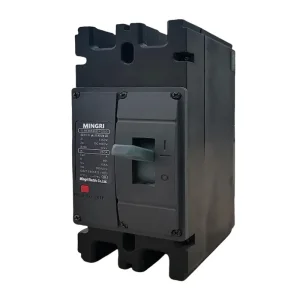
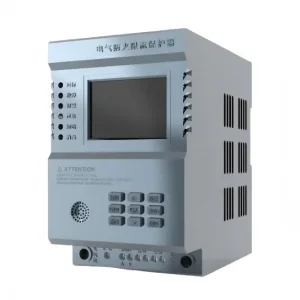
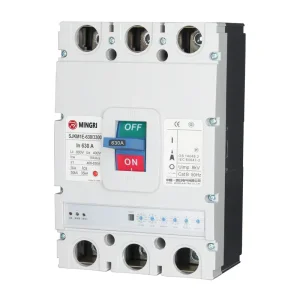
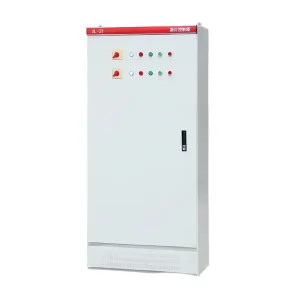
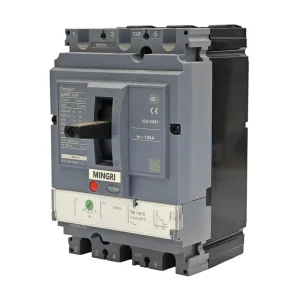
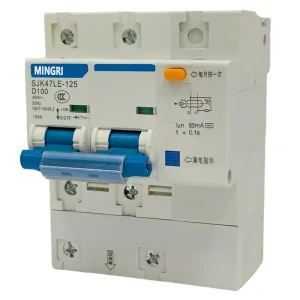
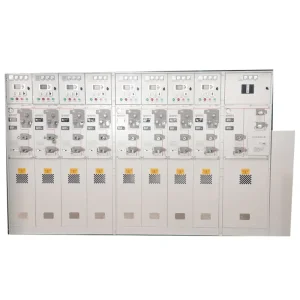
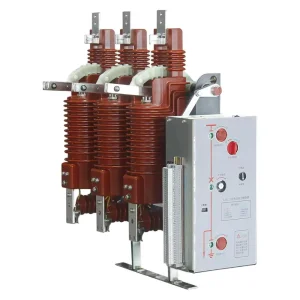
In the contemporary energy landscape, the Vacuum Circuit Breaker (VCB) acts as the critical sentinel of high-voltage transmission and distribution networks. As global industries shift toward decentralized renewable energy sources and smarter grid infrastructures, the demand for high-reliability VCBs—which combine arc-extinguishing efficiency with long-term mechanical endurance—has skyrocketed.
Procurement officers and electrical engineers must look beyond price points. True "Wholesale VCB Companies" must demonstrate mastery over the vacuum interrupter technology, advanced insulation materials, and the integration of IoT-ready smart monitoring systems. Our analysis indicates that the market is currently pivoting toward Condition-Based Maintenance (CBM) rather than traditional scheduled maintenance, requiring VCB manufacturers to embed sophisticated sensor suites directly into the switchgear mechanism.
China remains the undisputed powerhouse of global VCB manufacturing. The resilience of the Chinese supply chain for electrical components is rooted in vertical integration. By manufacturing the vacuum interrupters, the copper contact surfaces, and the modular housing components in-house, manufacturers like those in the Mingri Electric ecosystem avoid the volatility of fragmented supply chains.
Reliability Rating
Space Optimization
Smart Monitoring
The next decade of VCB engineering will be defined by three key trends: Environmental Sustainability (SF6-free alternatives), Digital Twin Integration, and Solid-State Circuit Breakers (SSCB) hybrids. We are currently transitioning our product lines to incorporate eco-friendly insulation media while maintaining the high dielectric strength required for 40.5kV+ operations.
A "one-size-fits-all" approach fails in complex engineering environments. We customize VCB solutions based on local climate and regulatory frameworks:
A: We employ a "Closed-Loop Quality" system. From raw material spectrum analysis (checking copper purity) to vacuum degree testing of each interrupter, no component proceeds to the next station without passing automated verification.
A: It eliminates lead-time uncertainty. By controlling the molds and stamping, we are immune to third-party supplier disruptions that often plague smaller, non-vertically integrated manufacturers.
A: We provide remote technical support, comprehensive O&M (Operations & Maintenance) manuals, and virtual commissioning assistance, ensuring your team can install and maintain the hardware efficiently.
 Mingri Electric