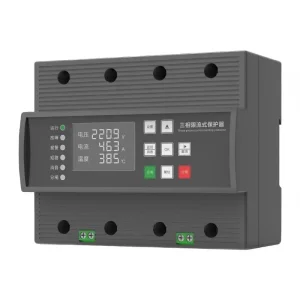
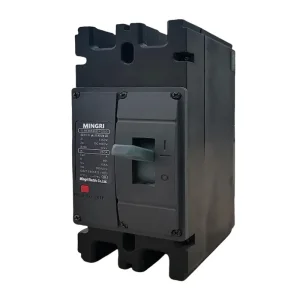
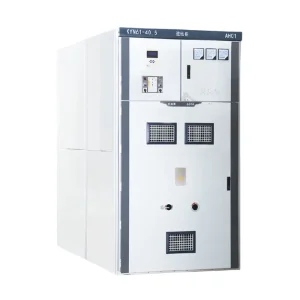
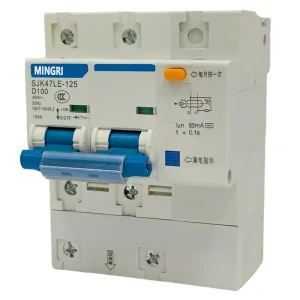
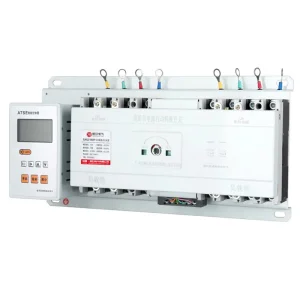
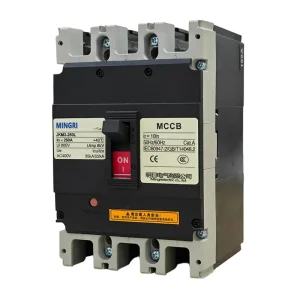
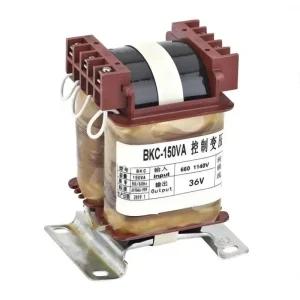
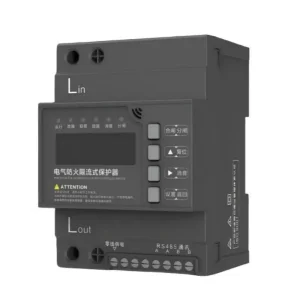
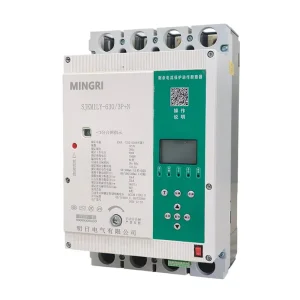
As an expert in electrical infrastructure, I observe that the global demand for Residual Current Circuit Breakers (RCCB) is shifting from mere compliance to active safety management. Procurement officers and electrical engineers are no longer just looking for a "switch"; they are looking for **Information Gain**—solutions that offer intelligent diagnostics, superior manufacturing precision, and seamless integration with existing low-voltage (LV) and medium-voltage (MV) distribution grids.
China has emerged as the global epicenter for RCCB manufacturing, not just due to cost-efficiency, but due to rapid industrial upskilling. Today’s Chinese manufacturers, like Mingri Electric, utilize advanced stamping, automated assembly, and rigorous ISO-standardized testing to compete with legacy European and American brands.
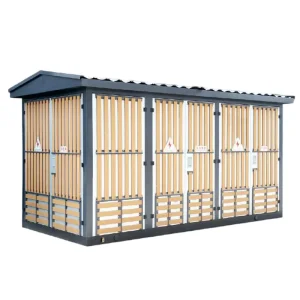
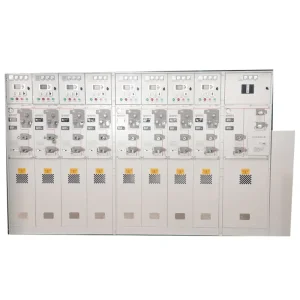
Modern electrical procurement requires a holistic view. An RCCB is a critical node in a larger ecosystem involving:
Navigating the complex landscape of global certifications (IEC 61008, CE, CB, UL) is the primary hurdle for international procurement. High-performing China-based suppliers address this by implementing "Closed-Loop Quality" systems. This means that from the stamping of raw metal to the final trip-unit calibration, every process is documented and reproducible.
Procuring from a distance carries risk. To mitigate this, expert suppliers provide:
The future of RCCB technology is defined by "Smart Protection." We are moving away from purely mechanical devices toward:
A: An RCCB detects residual current and protects against electrocution, while an RCBO (Residual Current Breaker with Overcurrent) combines this protection with overload and short-circuit protection. For comprehensive protection, RCBOs are often preferred in modern setups.
A: Look for vertically integrated suppliers. Those who manufacture their own components (stamping, molding, assembly) maintain tighter quality control compared to trading companies. Always request ISO 9001 certifications and test reports from third-party laboratories.
A: Yes, our latest generation of molded case and residual current breakers feature IoT-enabled interfaces, allowing integration with SCADA systems for real-time monitoring and energy management.
 Mingri Electric