In the modern electrical landscape, Resonance Elimination is not just a feature—it is a critical necessity for grid reliability. As a leading manufacturer, we understand that power quality issues, specifically harmonic resonance and ferroresonance, can lead to catastrophic equipment failure, insulation breakdown, and massive operational downtime. Our approach combines EEAT principles (Experience, Expertise, Authoritativeness, Trustworthiness) to deliver, not just products, but holistic power solutions.
Choosing a Chinese factory for resonance elimination technology provides a strategic edge in the global market. Our facility leverages the mature supply chain of the Pearl River Delta, allowing for:
Our resonance elimination systems serve diverse high-stakes sectors:
Smoothing the variable outputs of wind and solar farms to prevent grid resonance.
Ensuring 99.999% uptime by eliminating transient harmonics that threaten sensitive server hardware.
Protecting large-scale VFDs and motors from voltage-induced harmonic interference.
Deploying AI-driven automated voltage regulation systems for modern urban microgrids.
At Mingri Electric Co.,Ltd., our story begins with a simple yet profound vision: "To safeguard every circuit." This commitment drives us to rethink power distribution engineering from the ground up.
We monitor every step from production to delivery, guaranteeing zero-defect products that meet your highest standards. Quality assured, always.
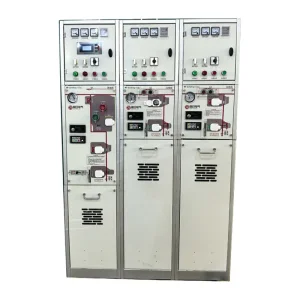
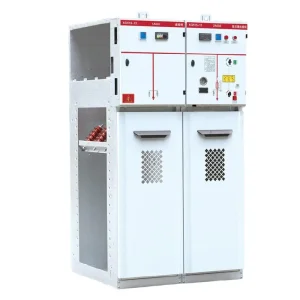
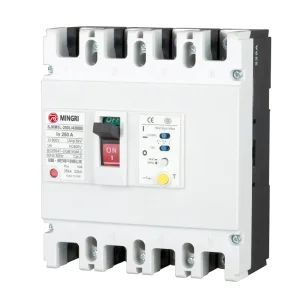
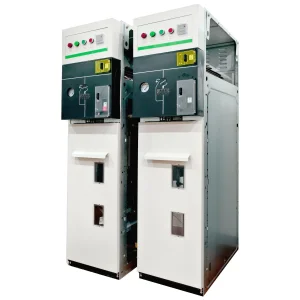
Our modular switchgear and components enable rapid configuration with compact designs, ensuring seamless integration and cost-efficient performance.
AI-driven load balancing and self-healing circuits are no longer futuristic—they are features we deploy today.
The arc suppression coil (Petersen coil) is vital for compensating the capacitive current of the system during a single-phase grounding fault. It prevents the arc from sustaining, thereby effectively eliminating the risk of overvoltage damage to transformers and busbars.
Vertically integrated manufacturers (like us) control the entire production cycle—from raw material stamping to final assembly. This ensures full traceability, lower lead times, and the ability to customize technical specifications to specific local grid conditions, which resellers cannot offer.
We adhere strictly to IEC 62271 and related national standards. Every batch undergoes rigorous routine testing, including partial discharge measurements and temperature rise tests, ensuring reliability before shipment.
 Mingri Electric