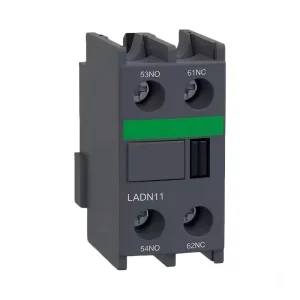
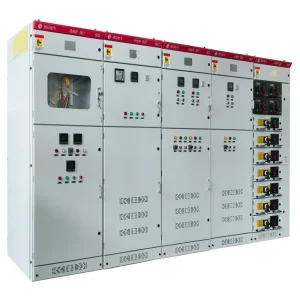
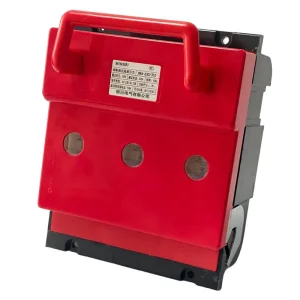
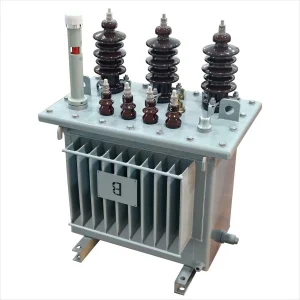
At Mingri Electric Co., Ltd., our journey began with a singular, fundamental mission conceived by our founder, Mr. Fu: "To safeguard every circuit." In today's highly electrified world, this commitment means reinventing medium-voltage power distribution. Industrial and commercial electrical systems demand structures that minimize footprint, eradicate downtime, and transition safely toward green energy grids.
Medium Voltage Gas Insulated Switchgear (MV GIS) represents the pinnacle of this shift. By replacing atmospheric air insulation with stable, sealed gas mediums, GIS systems provide an exceptionally compact profile and absolute immunity to environmental contamination like moisture, dust, and corrosive salts. Whether applied in subzero wind farms, offshore platforms, or urban high-density substations, our technologies deliver continuous performance and safety.

Industrial procurement for gas insulated medium voltage switchgear is no longer just about assessing mechanical ratings. Modern engineering directors and global purchasing officers require systems that address dynamic system interfaces, lifecycle cost analysis (LCC), and rapid deployment designs. The critical variables driving global GIS procurement include:
Power networks are shifting toward decentralized and bidirectional energy flows. In these contexts, MV GIS serves as the foundational hub for multiple industry vertices:
Pre-engineered, type-tested configurations that streamline physical integration, saving installation time and lowering total cost of ownership.
Complete metallic enclosures with standard internal arc classification (IAC AFLR) protecting operational staff in extreme fault scenarios.
Substation Space Savings
Transformer Efficiency Increase
Lower Operational Expenditure
Maintenance on Main Busbars
By coordinating with digital protection relays and IoT sensors, our switchgear facilitates remote health tracking and real-time load analytics.
Learn more about our technology roadmap.
The medium voltage switchgear industry is undergoing a significant transition. For decades, sulfur hexafluoride (SF6) has been the preferred insulation medium due to its outstanding dielectric strength and arc-quenching performance. However, because SF6 is a potent greenhouse gas, global switchgear manufacturers are actively developing sustainable, eco-efficient alternatives.
Our long-term R&D roadmap focuses on commercializing next-generation insulating mediums, including synthetic air, nitrogen mixtures, and eco-gases like Fluoronitriles (C4-FN) and Fluoroketones (C5-FK). These green technologies provide highly efficient electrical performance while bringing the Global Warming Potential (GWP) close to zero, ensuring compliance with future environmental mandates like the EU F-gas regulations.
At Mingri Electric, we do not simply purchase off-the-shelf components and assemble them. Our engineering philosophy is based on complete control over our manufacturing supply chain. We collaborate closely with specialized stamping partners to design custom tooling and high-precision metal parts.
Because we produce the core vacuum circuit breakers (VCBs) and disconnect switches used within our systems, we ensure total component compatibility. This vertical integration reduces tolerances, enhances mechanical reliability, and allows us to provide custom-tailored configurations for demanding global applications.


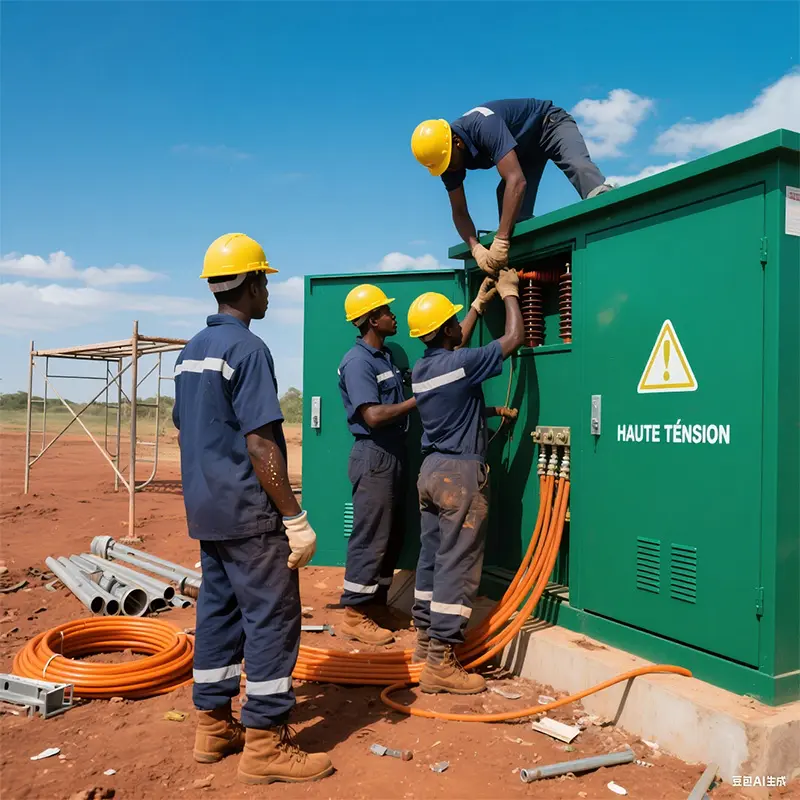

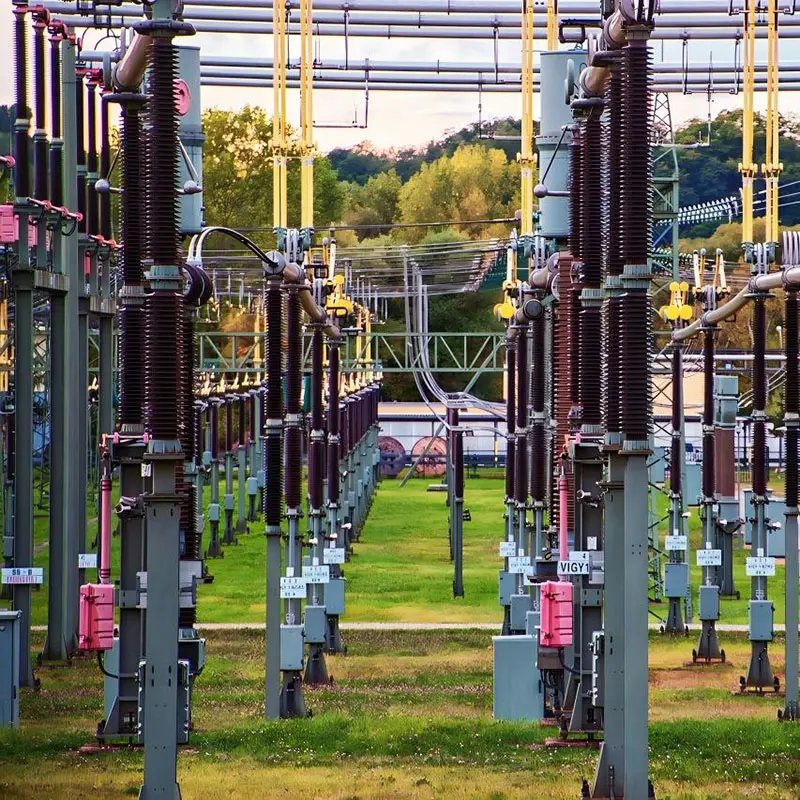
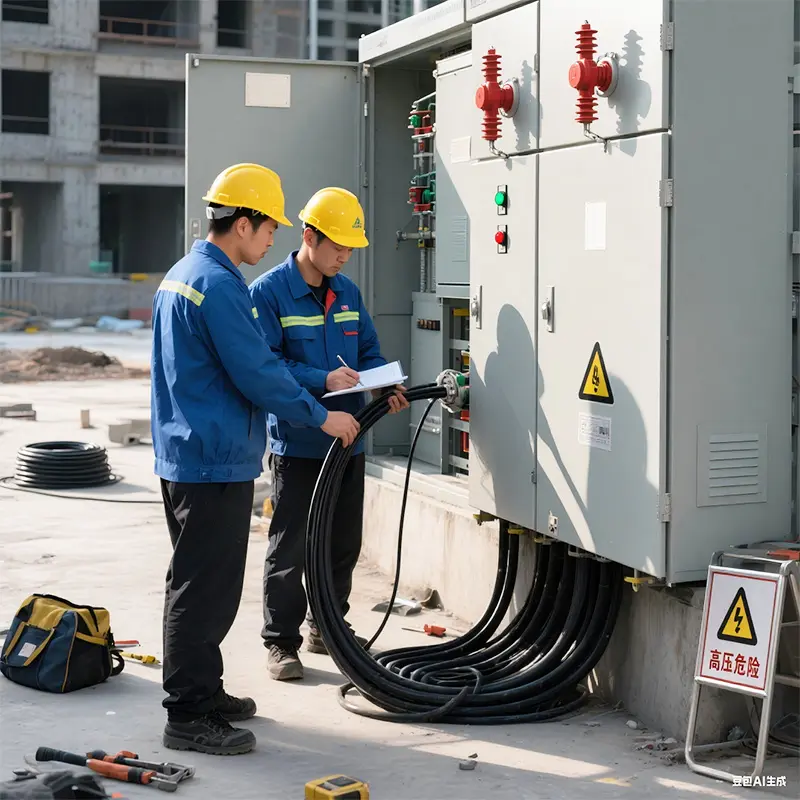
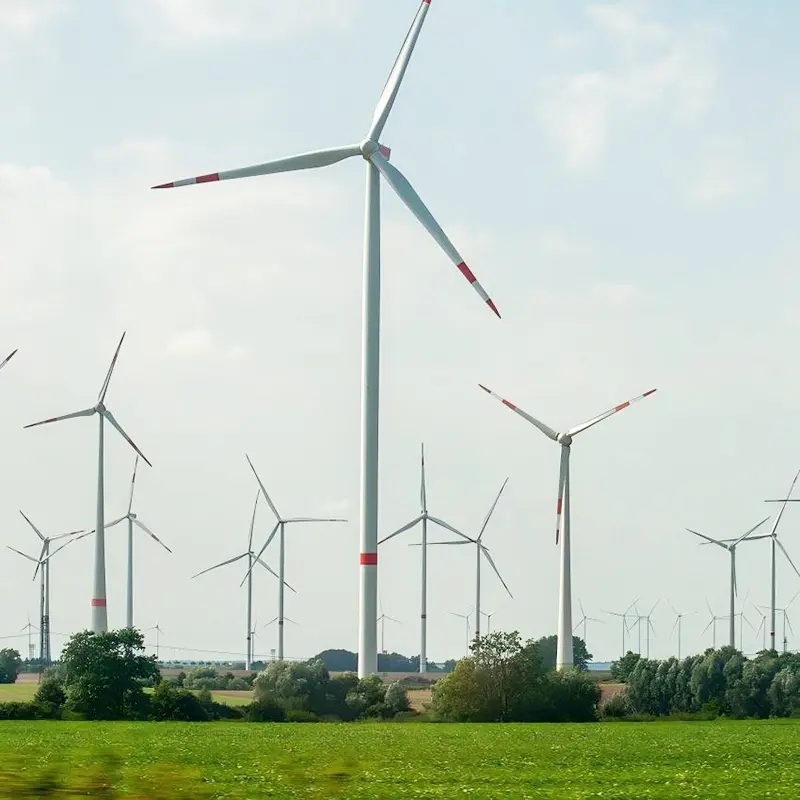
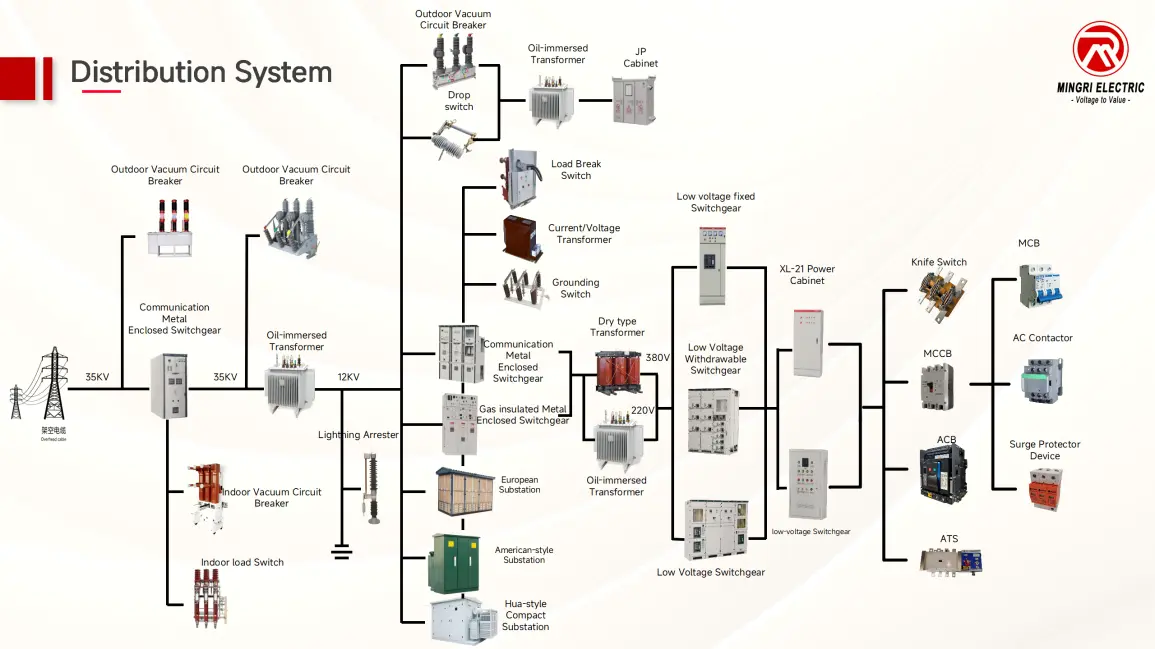
Exceeding client expectations is the core benchmark of our operations. Quality management at Mingri Electric encompasses the entire design and manufacturing lifecycle, ensuring reliability in every component.
We collaborate with stamping suppliers to co-develop custom tooling, ensuring components integrate seamlessly into our low- and high-voltage circuit breakers.
Our modular switchgear systems allow for rapid custom configurations and easy onsite assembly, reducing commissioning costs.
We provide dedicated field support, hotlines, and remote video diagnostics to keep critical infrastructure operating smoothly.
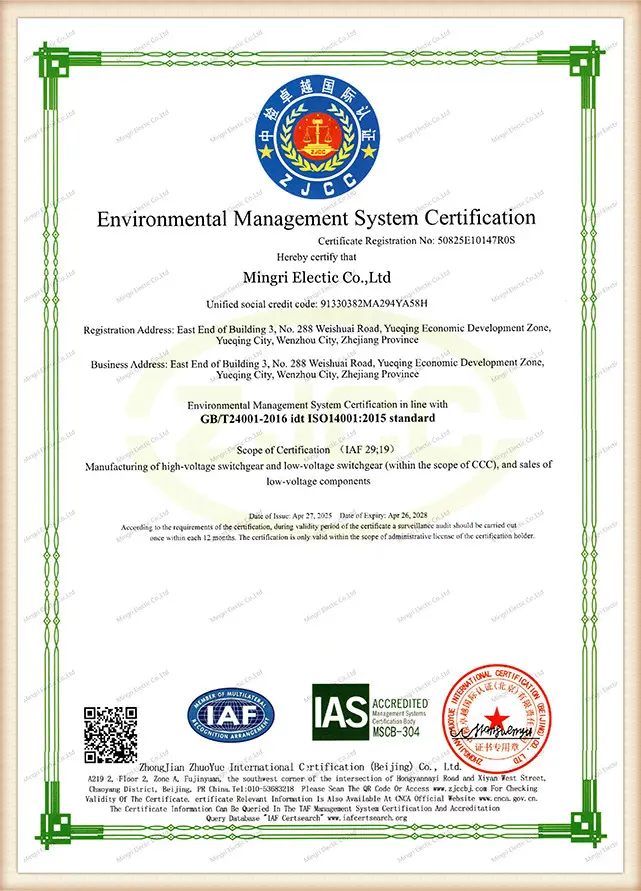
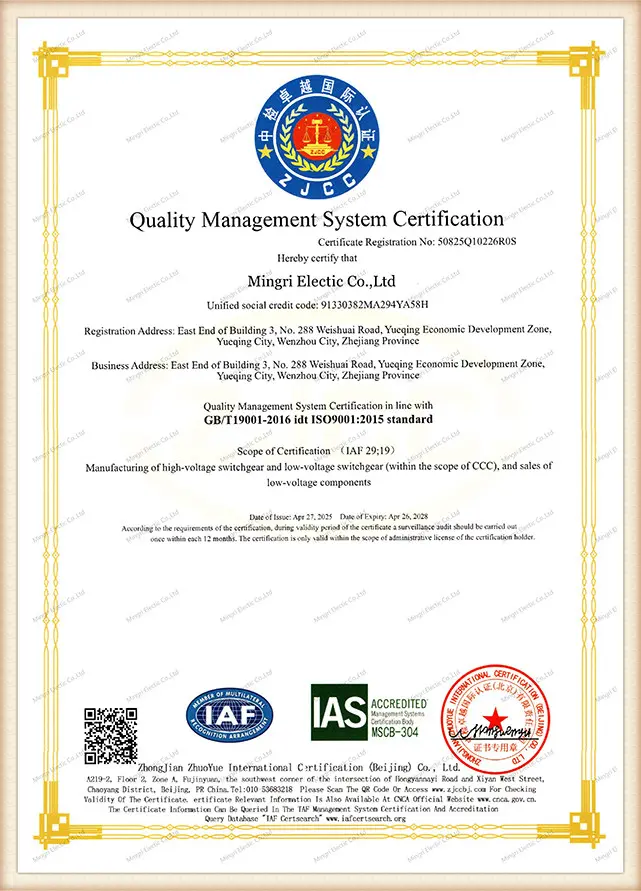
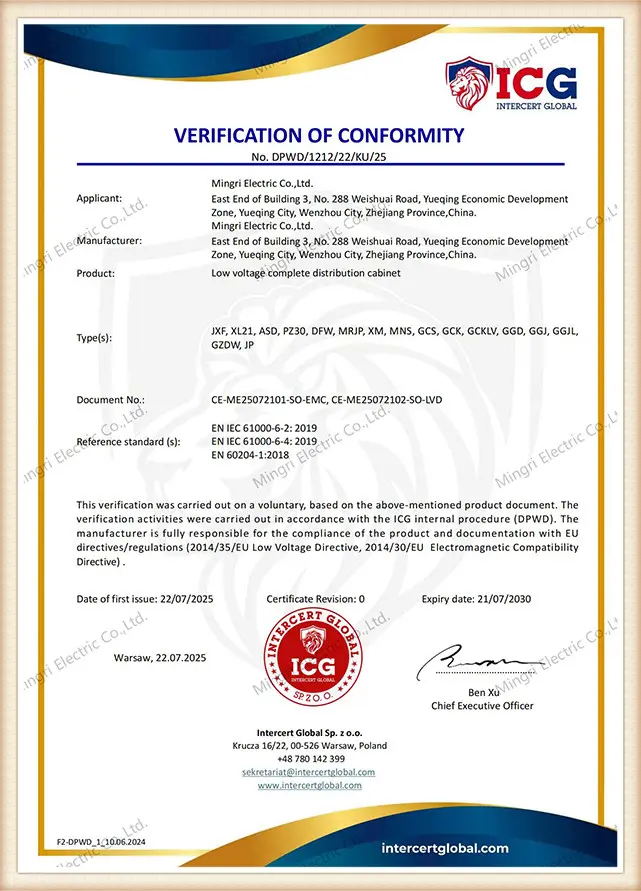
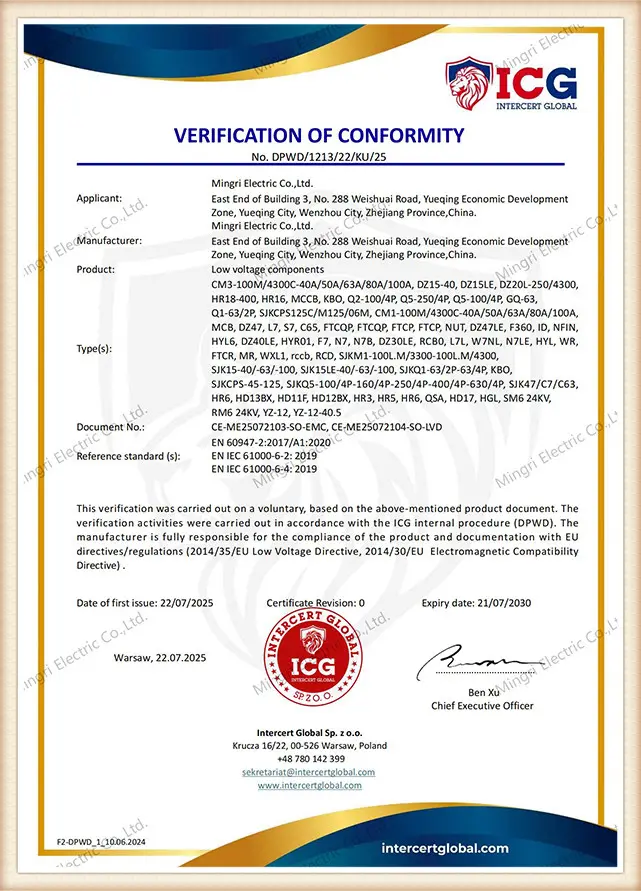
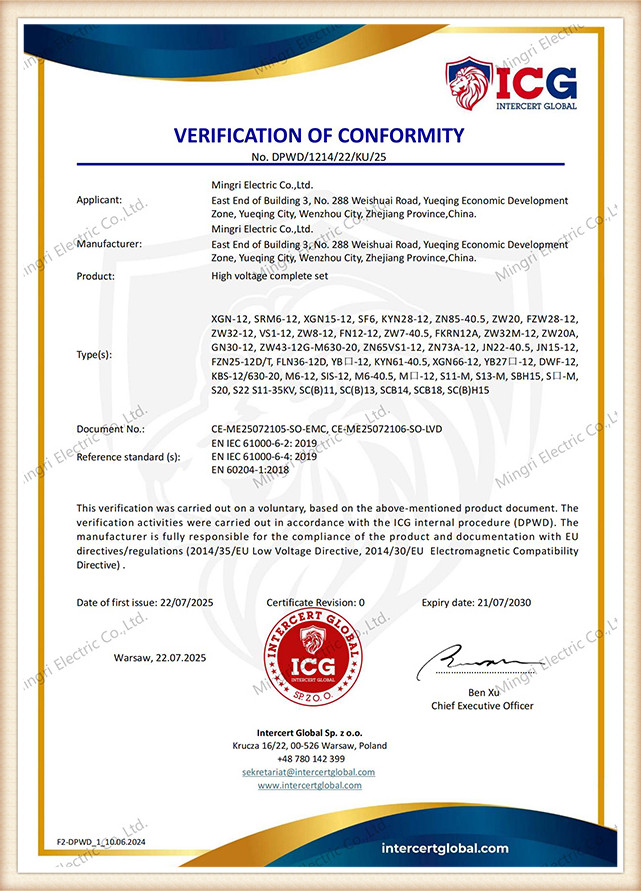
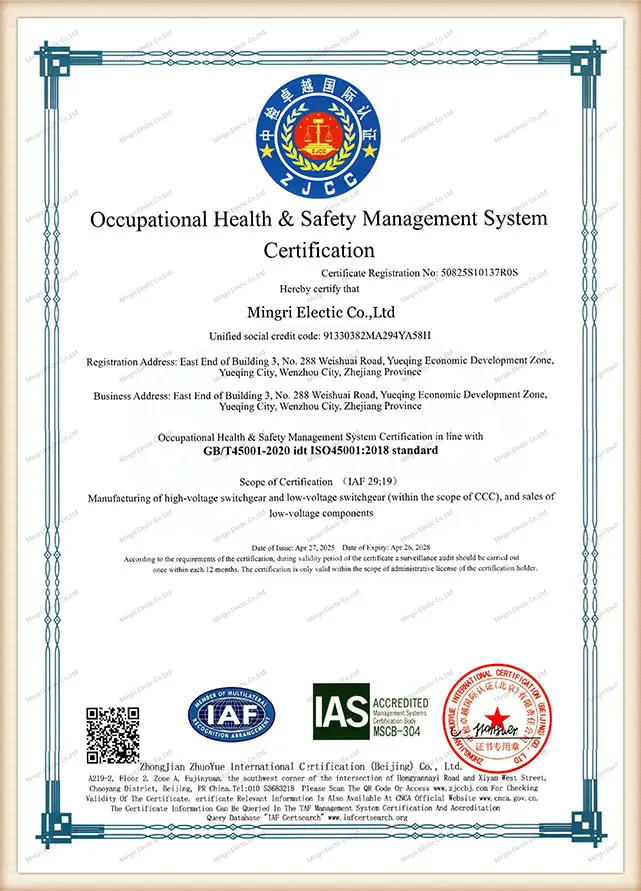
Installing medium-voltage equipment across different regions requires navigating diverse electrical safety standards and grid codes. Mingri Electric ensures that our configurations meet local grid requirements globally.
From compliance with IEC 62271-200 (for metal-enclosed switchgear) and ANSI/IEEE standards to meeting local structural codes, our products undergo rigorous type-testing in accredited testing laboratories. This strict validation process minimizes project risk and expedites local site approvals.
“Behind every light switch and industrial production line are layers of electrical engineering designed to ensure safety and reliability,” says our founder. Our focus on quality-controlled raw materials, modular system engineering, and smart monitoring helps transform power distribution from a simple utility into strategic value for our global partners.
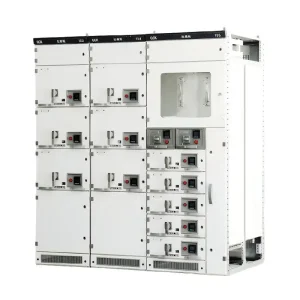
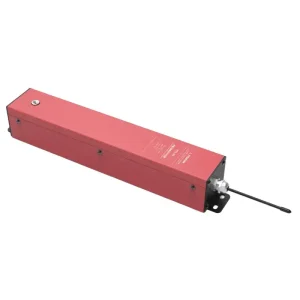
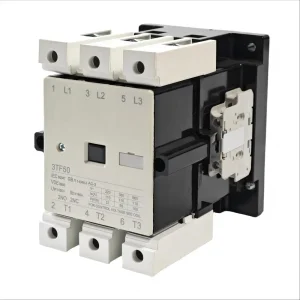
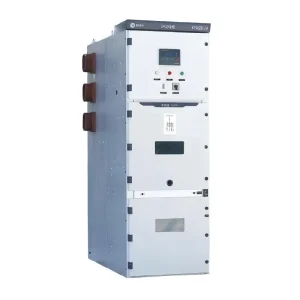
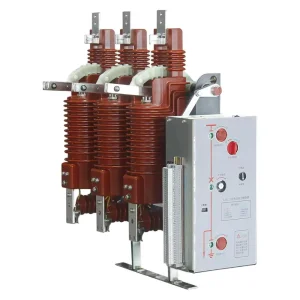
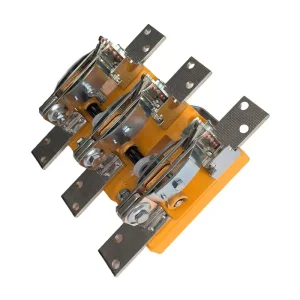
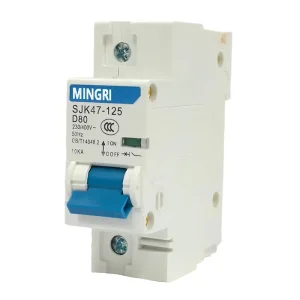
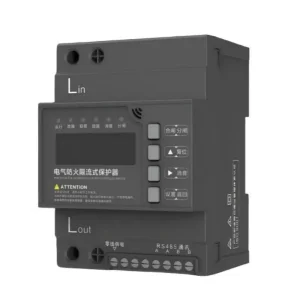
GIS technology encapsulates all high-voltage conductors in an inert gas tank. The primary benefits include a significant footprint reduction (up to 40% saving compared to AIS), total protection against harsh environmental contaminants (moisture, salinity, chemicals), and virtually maintenance-free operation for the switchgear's operational life.
While SF6 has been the industry standard for insulation, eco-friendly alternatives are entering the market. Our technical roadmap incorporates synthetic air, nitrogen mixtures, and next-generation fluoronitrile/fluoroketone gas mixtures. These options reduce the system's global warming potential (GWP) to negligible levels while maintaining comparable dielectric performance.
High-quality MV GIS must undergo type-testing to comply with international standards, primarily IEC 62271-200 (metal-enclosed switchgear) and IEC 62271-1. For North American markets, compliance with IEEE C37.20.2 or IEEE C37.20.9 is required. Compliance ensures dielectric performance, short-circuit current carrying capacity, mechanical endurance, and safety during internal arcing events.
The primary high-voltage contacts and busbars are hermetically sealed and do not require periodic cleaning or torque inspections. Maintenance is generally restricted to the low-voltage control cabinet, auxiliary switches, circuit breaker operating mechanisms (which can be lubricated externally), and gas pressure monitoring via integrated analog or smart digital sensors.
 Mingri Electric